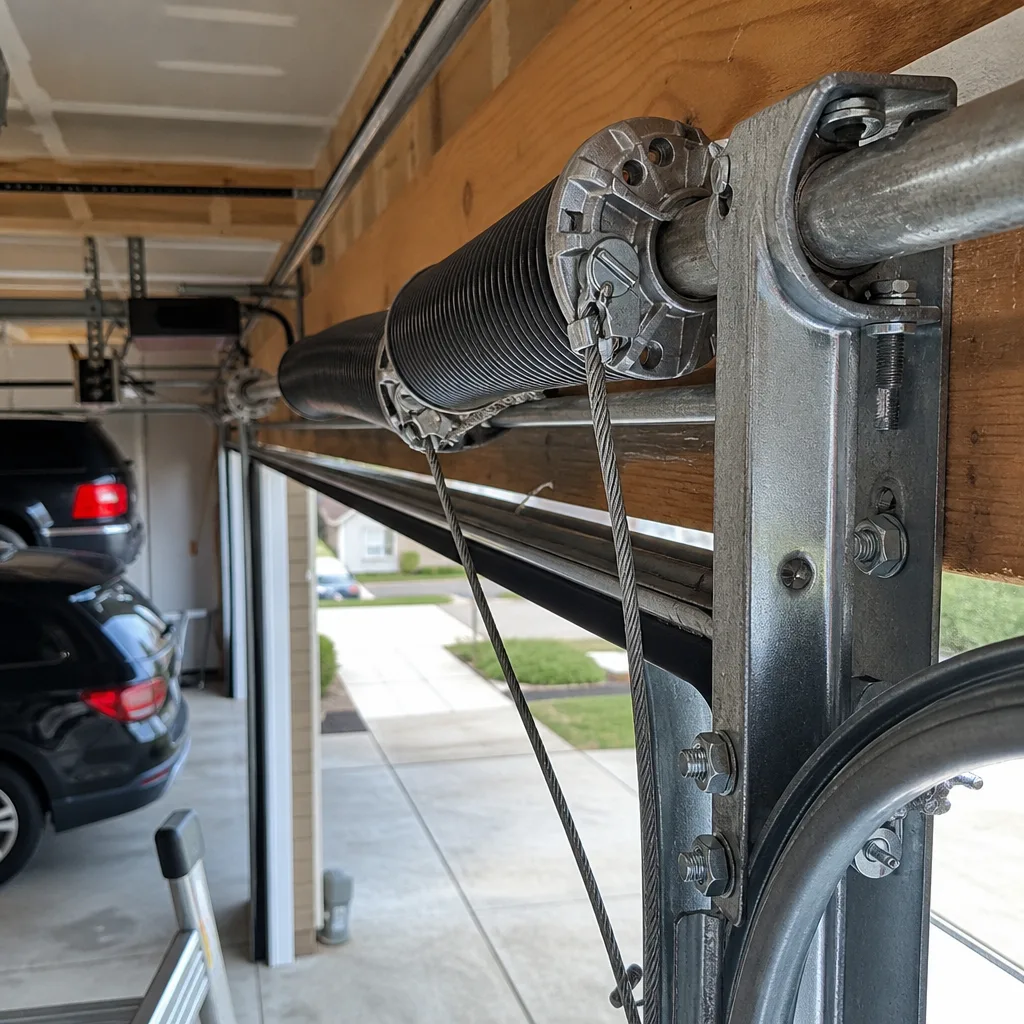
Last updated November 20, 2026
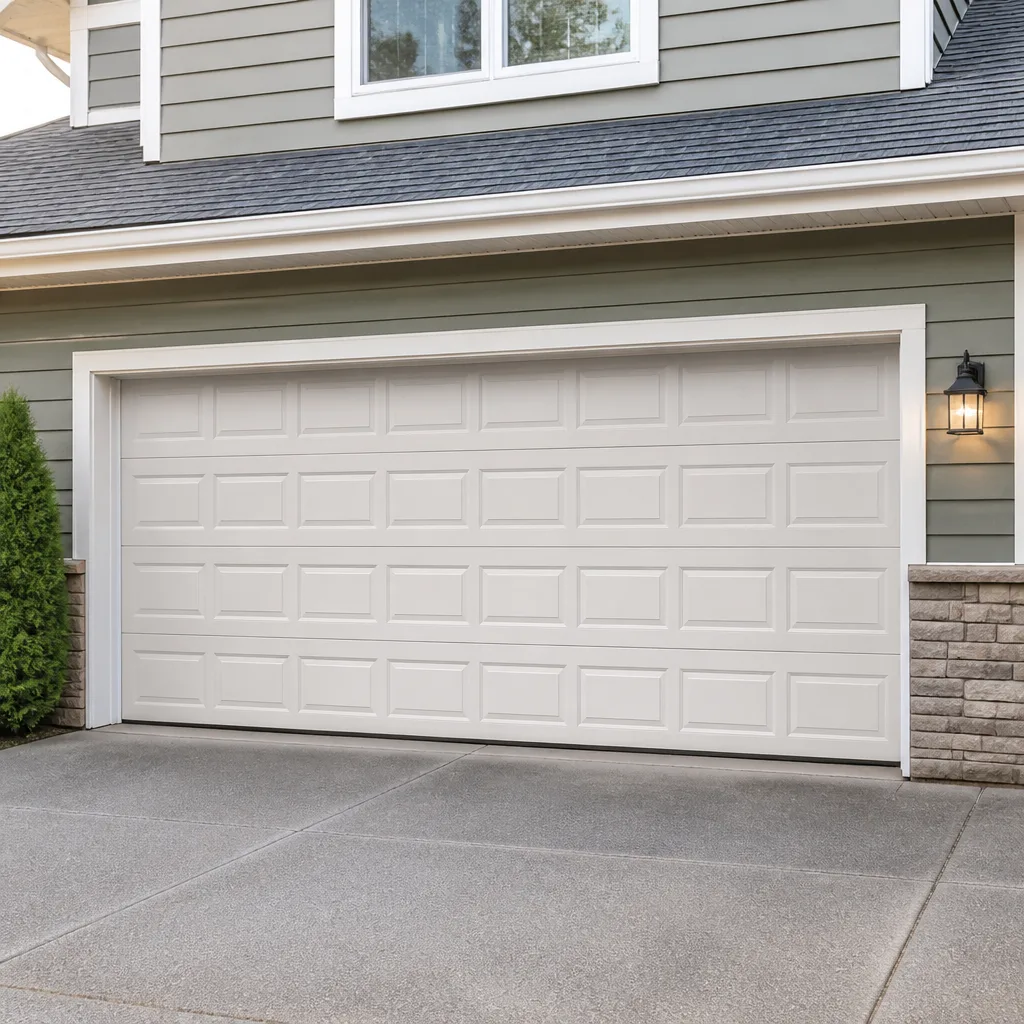 Raised-panel steel
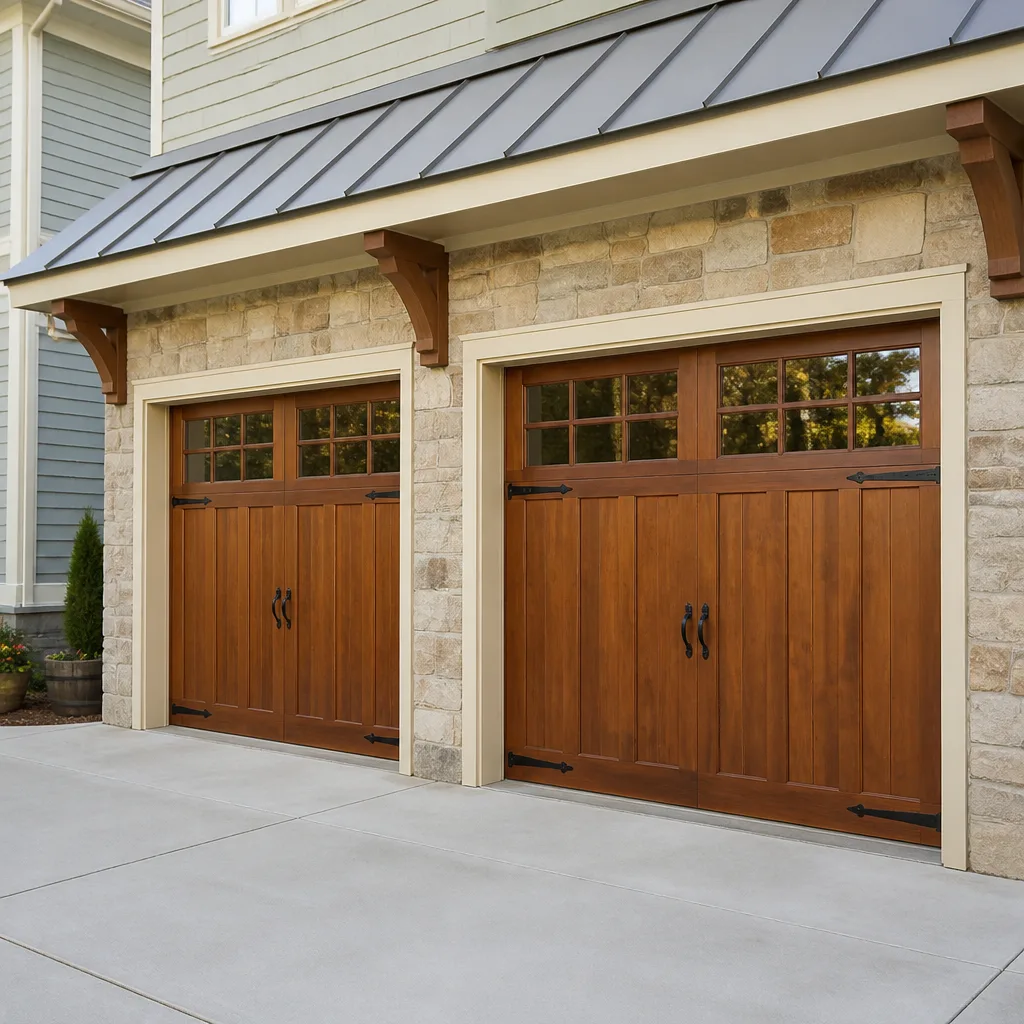 Carriage house
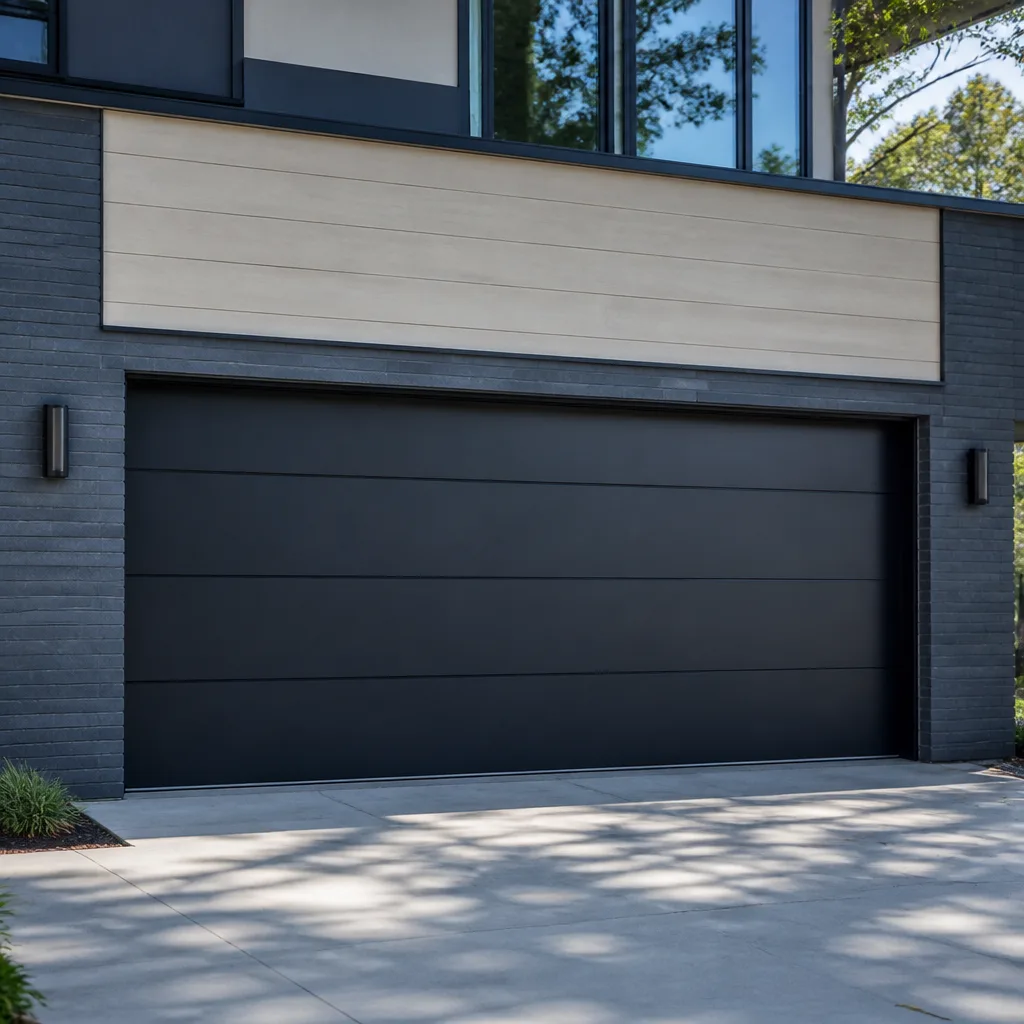 Modern flush
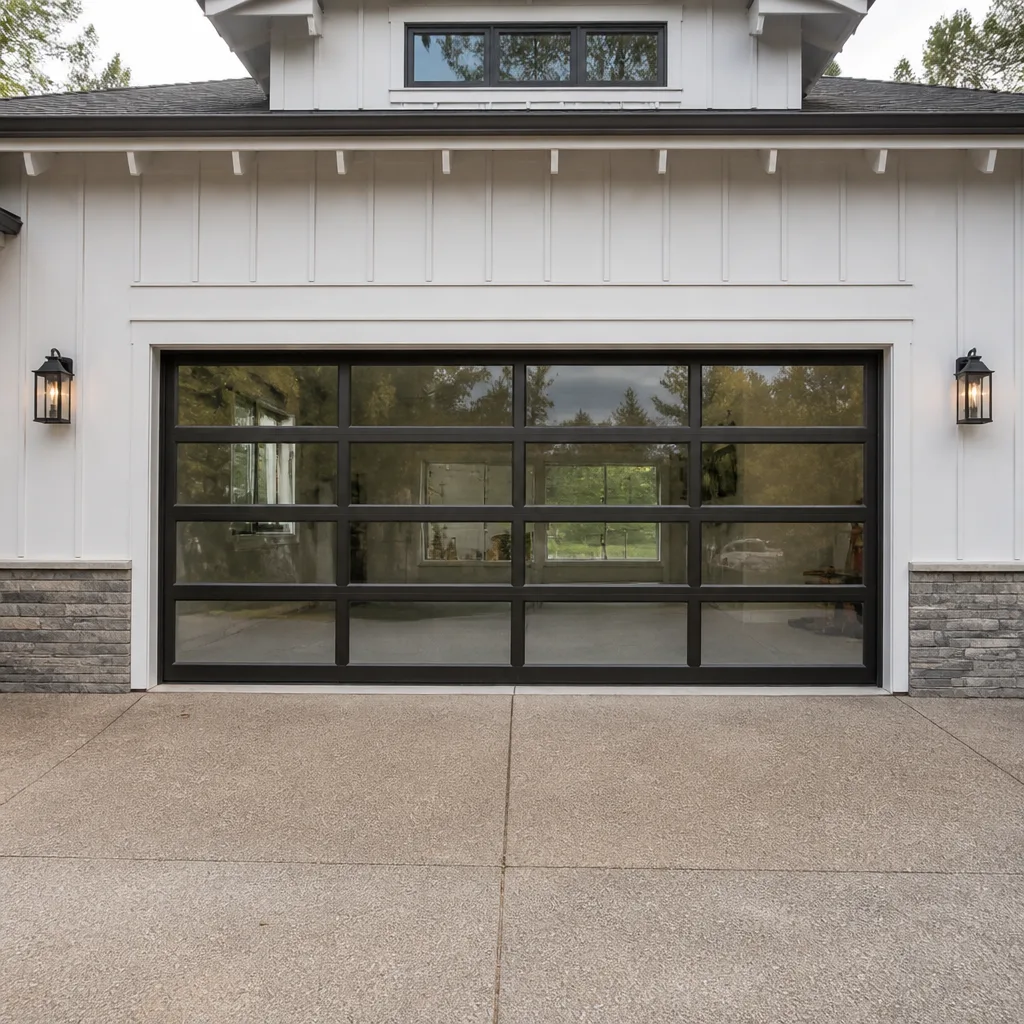 Full-view glass
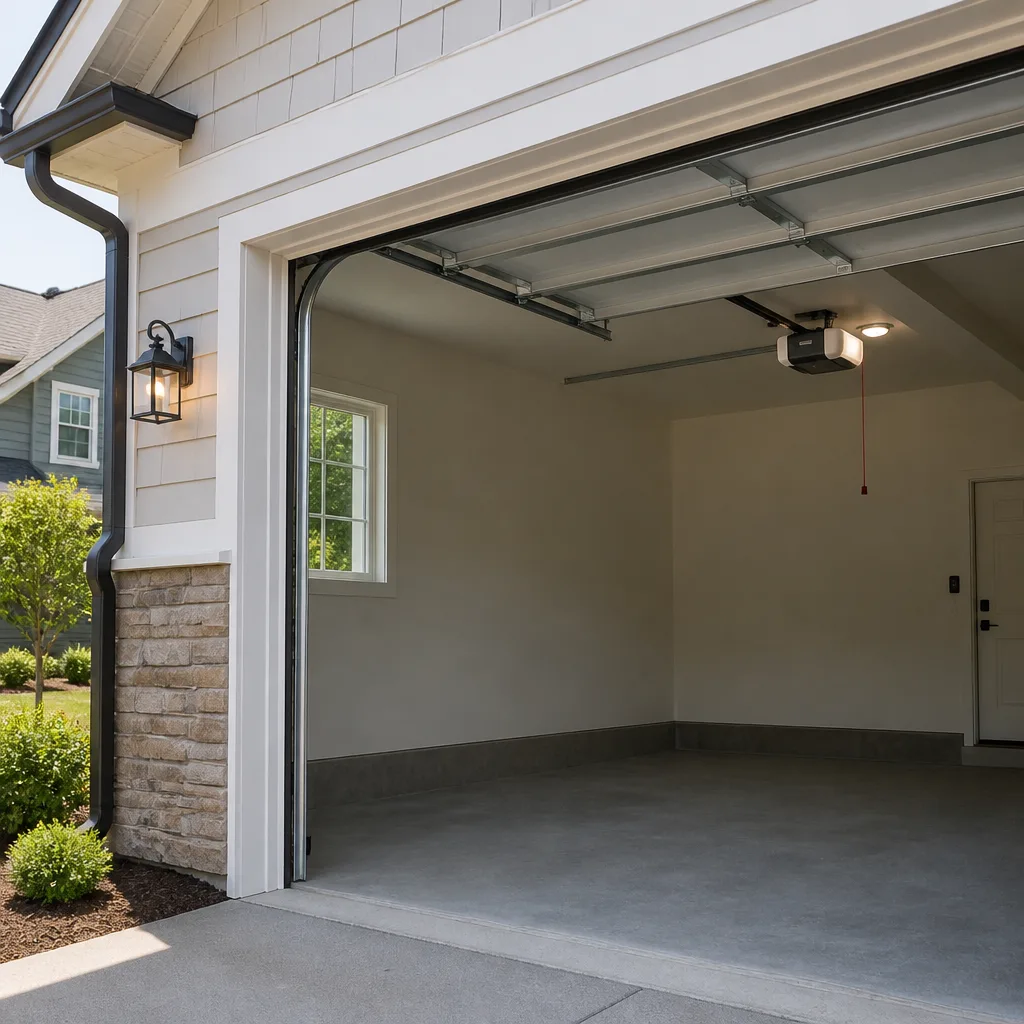 LiftMaster openers
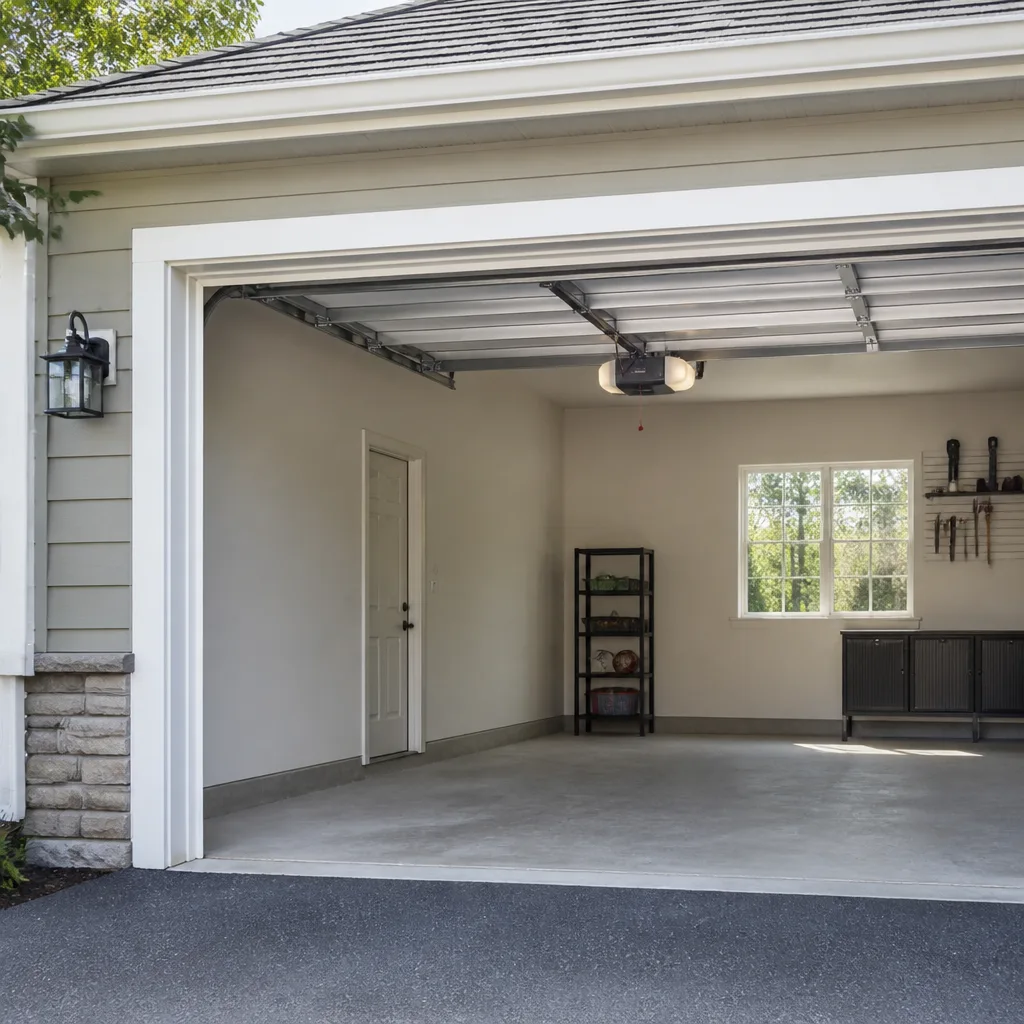 Chamberlain openers
Full 25-point door and opener safety check with every visit - springs, cables, rollers, tracks, and your LiftMaster or Chamberlain opener included
You get a price before we start. It does not change when the pro arrives.
Get your free estimateGarage Door Repair Maintenance Checklist for Fountain Square Homeowners
The call that wakes us up in January is almost always the same one: a door that won’t open, a car trapped inside, and a snapped spring or a seized hinge that could have been caught in October. The frustrating part is how small the missed task usually is. A four-minute lubrication pass, a five-dollar can of spray, and a ten-minute look at the rollers would have flagged the problem long before it stranded anyone. Most generic maintenance checklists are written for a climate that doesn’t exist here. This guide is built around the way doors actually fail in Fountain Square: urban humidity, alley grit, and the freeze-thaw swings that roll through central Indiana. You’ll get a task-by-task schedule you can actually follow.
Quick Answer
A garage door maintenance checklist for Fountain Square should be timed to the seasons, not to a generic quarterly calendar. The core jobs are lubricating springs, hinges, and rollers twice a year (late fall before the cold and again in spring), inspecting the bottom seal and cables every few months for wear and rust, and testing the opener’s balance and safety reverse monthly. Anything involving torsion springs, cables under tension, or the door’s structural track is not a homeowner task, no matter what a video tells you.
Styles & brands we work with
- Raised-panel steel
- Carriage house
- Modern flush
- Full-view glass
- LiftMaster openers
- Chamberlain openers
Table of Contents
- Why a Fountain Square Maintenance Schedule Looks Different
- The Fountain Square Seasonal Maintenance Calendar
- Lubrication: Torsion vs. Extension Springs and What to Use
- Inspecting Bottom Seals on Older Fountain Square Garage Floors
- The Ten-Minute No-Tools Wear Check
- DIY-Safe Tasks vs. Call-a-Technician Items
- Why Local Parts Supply Changes a Repair Timeline
- Opener Checks Most Homeowners Skip
Why a Fountain Square Maintenance Schedule Looks Different
Fountain Square sits in a pocket of Indianapolis where a few local conditions stack up on a garage door. The neighborhood’s older housing stock means a lot of single-car and detached garages with uneven poured concrete floors, narrow clearances, and doors that have been re-hung or re-sprung at least once. That matters because a worn bottom seal that would seal fine on a flat slab down the street will leak, drag, or tear on a floor that slopes toward a drain.
The bigger driver is the climate swing. Central Indiana regularly moves from humid summer air in the eighties to hard freezes and back within a single week in late fall and early spring. Every one of those transitions works on the same components: grease stiffens, then thins; metal contracts, then expands; condensation forms on cold steel and rusts it. A door that’s ignored through a humid July and a freezing January is being asked to do something it wasn’t built for.
Then there’s the urban grit. Alley-facing garages in Fountain Square collect more airborne dust, leaf debris, and road grime than a suburban driveway setup. That grit migrates into roller tracks and hinge pivots and turns into an abrasive paste when mixed with old lubricant. It’s the reason a checkpoint that’s “optional” in a manufacturer’s manual quietly becomes mandatory here.
- Humidity: drives rust on cables and stiffens old grease.
- Freeze-thaw cycles: stress springs and crack worn bottom seals.
- Alley dust and grit: grinds rollers and hinges when lubrication is overdue.
- Older, uneven floors: punish worn seals that would survive a flat slab.
- Aging hardware: many Fountain Square doors are on their second or third spring set.
None of this means the door needs constant attention. It means the timing and the targets matter more than the frequency.
The Fountain Square Seasonal Maintenance Calendar
The single most useful change you can make is to stop thinking in quarters and start thinking in seasons. A door in Fountain Square faces two hard transitions a year, and each one gets its own short task list. Here’s the schedule we walk homeowners through:
- Late September to mid-October (the pre-winter pass). Lubricate springs, hinges, and roller bearings. Test the opener’s balance and safety reverse. Look at the bottom seal for cracking that a freeze will widen. This is the pass that prevents the January emergency call.
- Late November (the cold-set check). After the first hard freeze, listen for new grinding or squealing and glance at the cables for rust bloom. Cold finds every weak point.
- March to April (the thaw pass). Re-lubricate, because winter strips and displaces grease. Re-check the bottom seal for the cracks that opened over the freeze. Clear grit from the tracks.
- June (the humidity pass). A lighter re-lube and a look at the rollers and cable drums for rust starting on humid steel. Clean the tracks of alley grit.
- Monthly, year-round. Test the safety reverse and balance. Two minutes each.
That’s five touchpoints a year, and only four of them need any real time. The rest is the monthly two-minute test. If you can time your fall lubrication to the week the first cold snap is forecast, you’ll catch most of what causes winter breakdowns in Fountain Square before it starts.
We work on doors across Garage Door Repair Fountain Square, and the pattern holds regardless of brand. A Clopay or Amarr door and a Wayne Dalton or Raynor door all fail on the same seasonal logic. The hardware differs; the timing doesn’t.
Lubrication: Torsion vs. Extension Springs and What to Use
This is the task that prevents most cold-weather emergencies, and it’s also the one people get wrong because they lubricate the wrong parts or use the wrong product. Lubrication is not a spray-everything job. Here’s what actually matters, depending on which spring system your door uses.
Torsion spring systems
Torsion springs sit on a horizontal shaft above the door, parallel to it. The springs themselves need a light wipe-down of lubricant along the coil, and the critical points are the bearings at each end of the shaft, the cable drums, and the hinges and roller stems. Do not spray the torsion springs’ coils so heavily that they attract grit; a light film is the goal.
Extension spring systems
Extension springs run along the horizontal tracks on each side, stretching as the door closes. They typically have pulleys and a safety cable running through the spring. Lubricate the pulleys and the hinge and roller points, and check that the safety cable is intact and running through the spring. If the safety cable is missing or kinked, stop and call a technician. That cable is a safety device, not an accessory.
- Use: a garage-door-specific or white lithium spray lubricant designed for metal-on-metal pivots. A few dollars at any hardware store.
- Avoid: WD-40 as a lubricant (it’s a penetrant, not a long-term lube), household oil that gums up in cold, and anything sticky that collects grit.
- Targets: hinges, roller bearings and stems, spring coils (light film), bearing plates, the opener’s rail and chain or belt (per the opener manual).
- Not the tracks: roll-up door tracks stay clean and dry, not lubed. Grease in a track collects grit and causes binding.
In a Fountain Square garage, the grit means you should re-lube slightly more often than a manufacturer’s calendar suggests, and always just before the cold sets in. A stiff, dry door in January is doing far more wear on its springs than a lubed one.
Inspecting Bottom Seals on Older Fountain Square Garage Floors
The bottom seal is the rubber weatherstrip that runs the full width of the door’s lower edge. In most garages it’s an afterthought. In older Fountain Square garages, it’s a real maintenance item because the concrete under the door is often not flat. Slabs poured decades ago settle, slope toward a drain, or have a low spot the door has to bridge.
Here’s how to check a seal on an uneven floor:
- Close the door fully with the opener disengaged or the door in its down position.
- Look along the gap between the seal and the floor at several points, not just the middle. Shine a light or slide a sheet of paper underneath at the corners and center.
- Note where the paper slides through easily. A small gap is normal on a sloped floor. A wide, consistent gap means the seal isn’t making contact and is letting in water, cold air, and pests.
- Inspect the seal itself for cracking, tearing, or a flattened, permanently compressed edge. A hardened seal won’t rebound and will leak even on a flat floor.
- Check the seal’s retaining channel for rust or a loose section, especially on older doors where the bottom rail is steel.
A worn or compressed seal is a replaceable part, and often a cheap one. If the seal is fine but the gap is large because the floor has a genuine low spot, the fix is usually adjusting the seal or the door’s travel, not replacing anything. If the gap is from a floor that has actually moved, a technician should look at it before you decide. On the older Wayne Dalton and Raynor doors we see around Fountain Square, the bottom seal and its channel are some of the first things to go.
The Ten-Minute No-Tools Wear Check
You don’t need a toolbox to catch most failing parts. This walk-around takes under ten minutes and doesn’t require touching anything under spring tension. Do it monthly, or any time the door sounds different.
- Eye-level hinge and roller check. Look at each hinge and roller. A cracked hinge, a roller with a cracked or missing wheel, or a roller that’s popped out of its track is a red flag. Note any hinge that’s clearly bent.
- Cable glance. Look at the cables running down each side of the door. You’re looking for rust, fraying, a kink, or a cable that’s jumped its drum. Don’t touch them; just note the condition.
- Spring condition. Look at the springs above the door (or along the sides for extension springs). A torsion spring that’s visibly separated into two pieces has failed. Don’t try to fix it or measure it; call us.
- Track straightness. Stand back and eyeball each vertical track. A track that’s bent or pulled away from the wall will bind rollers and needs attention.
- Door panel check. Look for dents, a panel that’s bowed, or a gap between sections. Damage like that changes how the door balances.
- Listen and feel. With the door down, open it and listen. A door that grinds, squeals, or lurches is telling you something. A door that won’t stay up when half-open, or slams down, has a balance problem.
Anything you find that’s a spring, cable, or track issue moves from “check” to “call.” The rest, like a squeaky hinge or a bit of grit, is a lubrication and cleaning job you can handle. If you find a broken spring or a snapped cable, garage door repair is the right call, not a screwdriver.
DIY-Safe Tasks vs. Call-a-Technician Items
The clearest line in garage door maintenance is between tasks that adjust or clean a door and tasks that involve stored mechanical energy. Springs and cables store the energy that lifts the door. They can do serious harm, and a mistake there can also damage the door and opener. We’d rather you never learn that the hard way.
DIY-safe (no stored energy)
- Lubricating hinges, rollers, pulleys, and bearing plates.
- Cleaning tracks of grit and debris (roll-up tracks stay dry, no grease).
- Replacing a bottom seal, if you’re comfortable with a few screws and the door is down and locked.
- Testing the opener’s safety reverse and balance.
- Checking and replacing opener batteries, and wiping dust off the opener’s sensors.
- Visual inspection of hinges, rollers, panels, and the seal.
Call a technician
- Any spring problem (broken, stretched, noisy, or a door that won’t stay up).
- Any cable problem (frayed, kinked, jumped, or rusted through).
- A track that’s bent, loose, or misaligned.
- A door that’s off its hinges or a panel that’s bowed.
- Opener issues that aren’t batteries or sensor alignment (won’t run, runs but door doesn’t move, remote range problems).
- An unbalanced door or one that reverses unpredictably.
Springs and cables are the reason this line exists. Our technicians handle spring repair as a core service because it’s the part of the job most homeowners can’t and shouldn’t touch. We’ve seen up to 12 years of experience pay off on exactly this: catching a spring that’s about to go before it strands a car in Fountain Square. When you’re not sure which side of the line a task is on, ask before you try it.
Why Local Parts Supply Changes a Repair Timeline
One of the most common follow-up problems to a broken part is waiting. A technician diagnoses a worn roller, a cracked hinge, or a failing spring, and then the homeowner waits for an order. That gap is smaller when the service you call handles parts as part of the offering rather than treating every job as a special order.
We supply garage door parts directly, which is what makes a same-visit fix realistic for the routine stuff. Hinges, rollers, bottom seals, and standard springs are the parts that fail in the ways a maintenance checklist is designed to catch. Knowing the brand helps too. Being familiar with the full spread of common residential systems (Amarr, Wayne Dalton, Craftsman, Raynor, and the openers that drive them) means a technician can identify parts and failure patterns accurately rather than guessing.
For Fountain Square, the practical value is simple: a checklist task you catch in the fall that would have meant a wait in January gets fixed on the same visit when the parts are in the mix. That doesn’t make every repair same-day. It removes one of the predictable delays.
Opener Checks Most Homeowners Skip
The door gets the attention, but the opener is doing half the work, and it has its own maintenance failures. These checks are quick and they catch the things that get missed between service calls.
- Safety reverse test (monthly). With the door down, press the opener. During closing, wave something in front of the sensors, or lay a roll of paper towels on the floor under the door. The door should reverse. If it doesn’t, the sensors or the opener’s force setting need attention.
- Balance test (monthly). Disengage the opener, lift the door halfway, and let go. A balanced door stays put. One that drops hard or drifts up means the springs are out of adjustment, which is a technician job.
- Sensor alignment. The two small sensors at the door’s base should face each other and stay lit. A blinking or dark sensor, or one knocked out of line by the garbage can, is a common cause of a door that won’t close.
- Remote and keypad. If range drops, it’s usually a battery, not the opener.
- Chain or belt and rail. Lubricate per the opener’s manual. A LiftMaster, Chamberlain, Genie, or Craftsman opener has its own guidance; follow it rather than a generic video.
Opener issues that survive the battery and sensor checks belong with someone who knows the brand. When the door stops or the motor runs without lifting it, garage door opener repair is the next step. If you’re weighing whether a repair is worth it, a professional can look at your specific unit and tell you.
Common Mistakes to Avoid
- Lubricating the tracks. Roll-up tracks should be clean and dry. Grease there collects the gritty dust Fountain Square alleys are full of and turns a smooth track into a sticky one. Keep lube on the pivots, not the track.
- Skipping the fall lubrication because the door “seems fine.” A door that feels fine in September is the one that strands you in January. The task is about prevention, not fixing what’s already loud.
- Using a household oil or a penetrating spray as a long-term lube. They gum up or evaporate in cold, leaving hinges and rollers dry right when the freezing starts.
- Trying to fix a spring or cable. These are under heavy tension and are the single most common way a maintenance project turns into an injury. If you can see it’s broken, call. If you’re not sure, call.
- Ignoring a hard, cracked bottom seal because the door “closes.” On Fountain Square’s uneven floors, a hardened seal leaks cold air, water, and pests and lets the door’s bottom rail rust. It’s a cheap part that gets expensive when ignored.
- Forgetting the opener’s own manual. Every LiftMaster, Chamberlain, Genie, or Craftsman unit has its own rail and force-setting guidance. Following a generic list can leave the opener misadjusted.
- Waiting for a “big” sign before calling. A grinding hinge or a squealing roller is a small, cheap job now. Left through a winter in a Fountain Square garage, it wears the hardware faster and the repair gets bigger.
See the difference
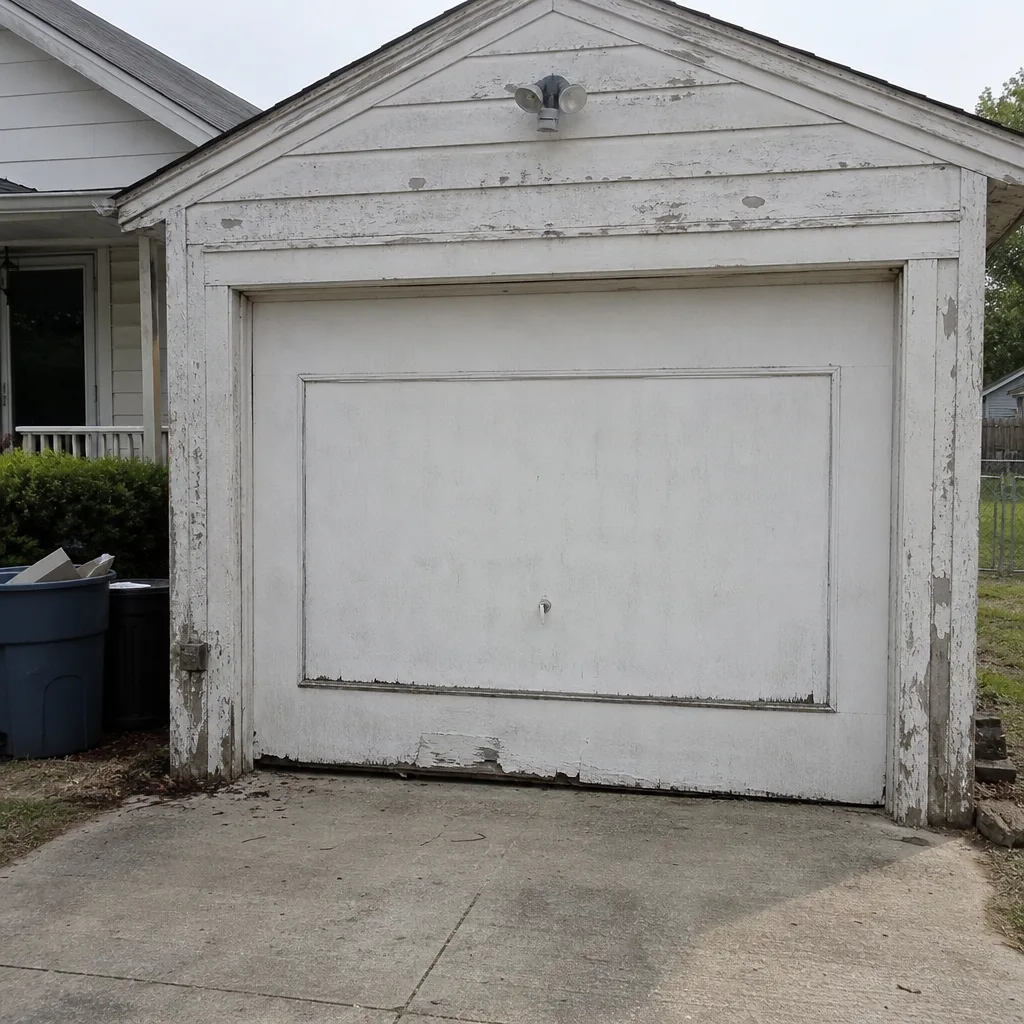 Before
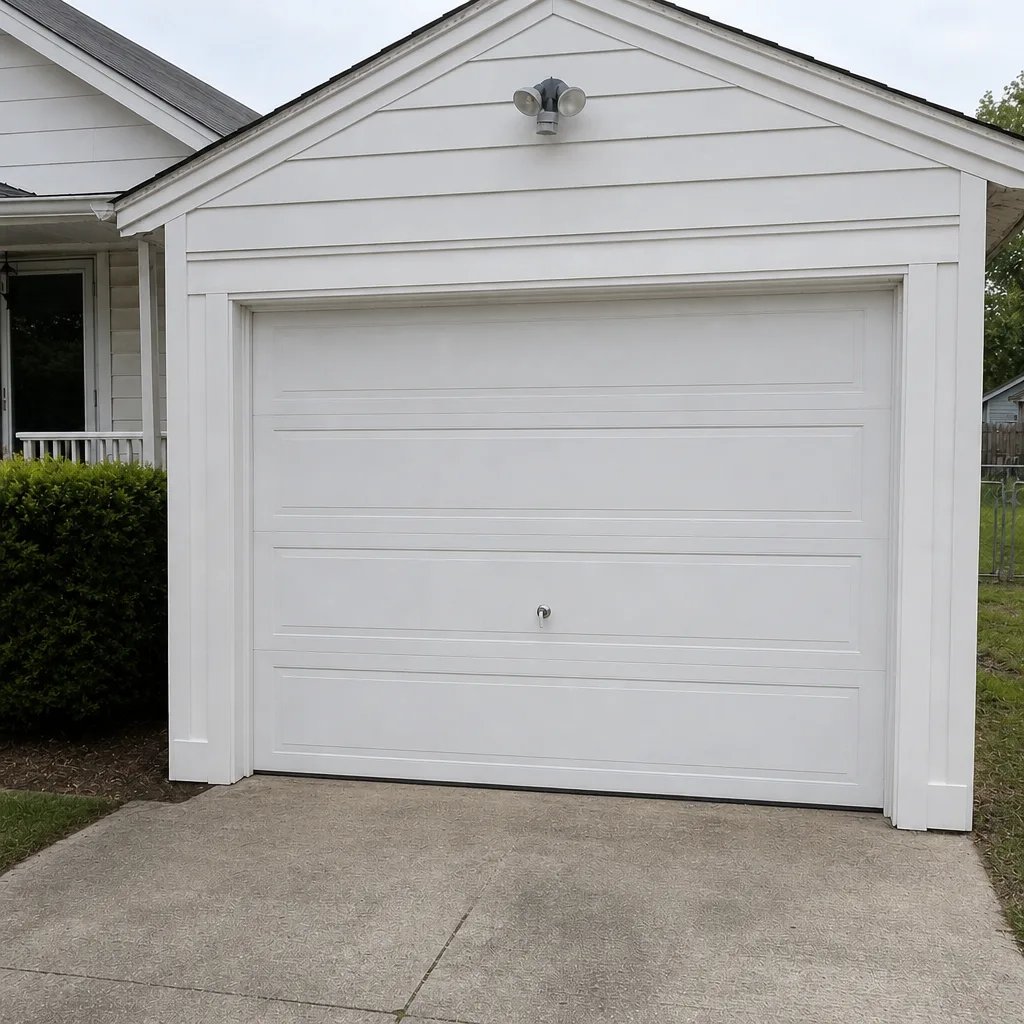 After
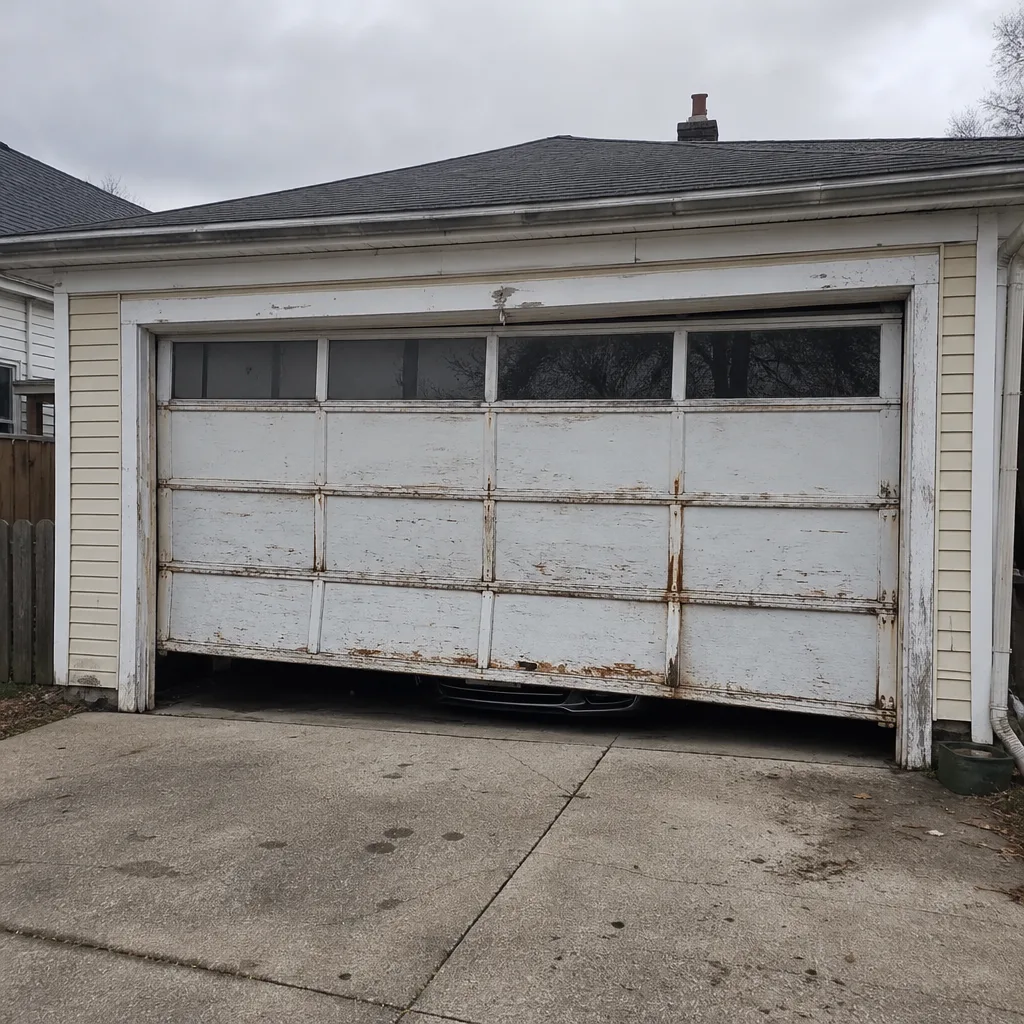 Before
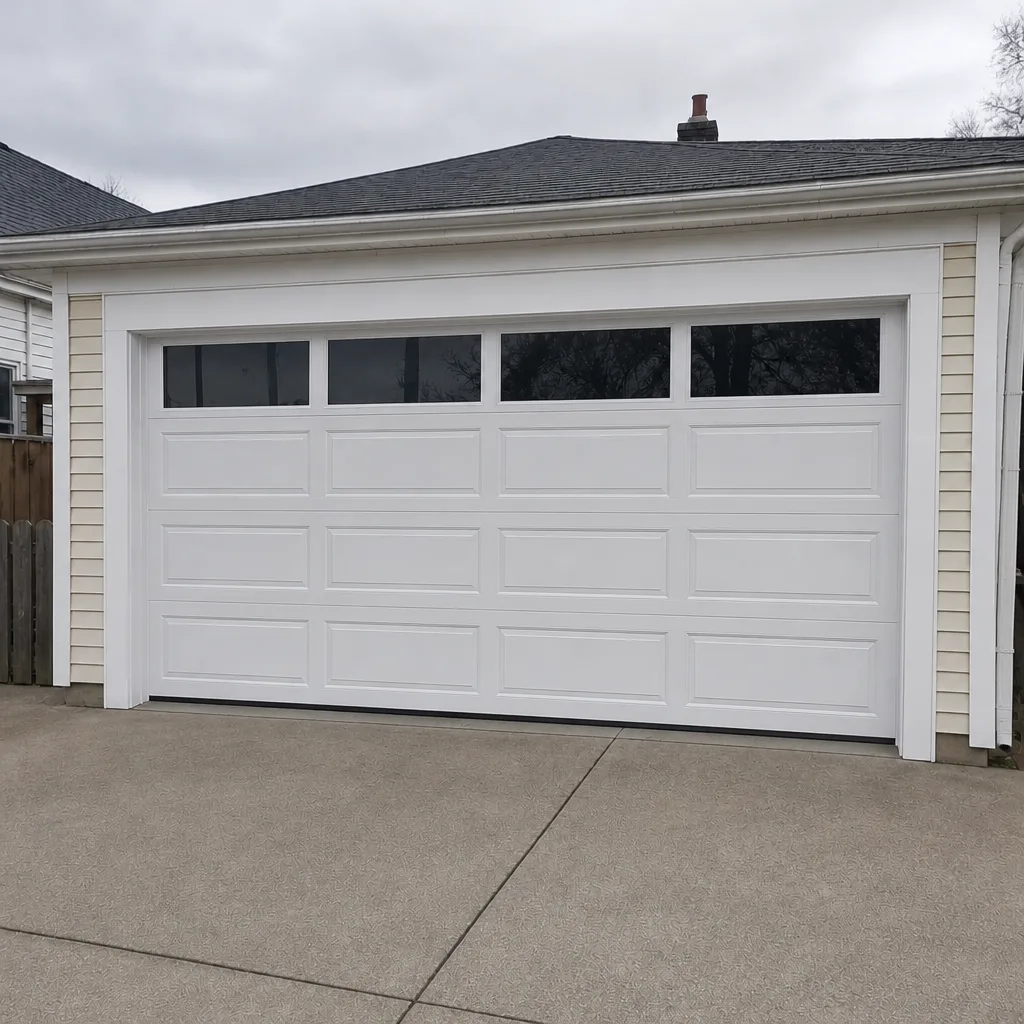 After
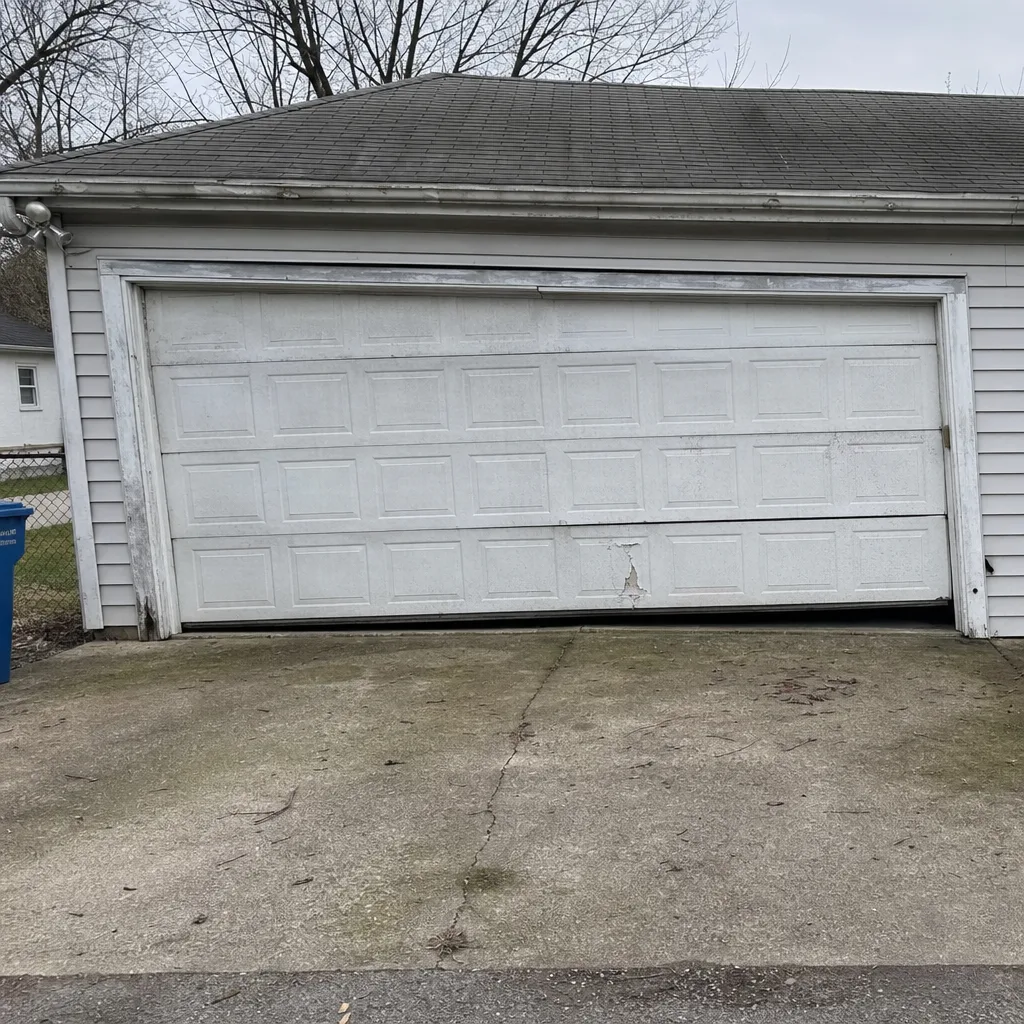 Before
 After
When to Call a Professional
Call a technician the moment you see a broken spring, a frayed or snapped cable, a bent track, a door that’s hanging off its hinges or comes down too fast, or an opener that runs without moving the door. Those are the items where continuing to use the door makes things worse, and where a trained eye matters. Also call if a DIY task (like a bottom seal replacement) starts to go wrong, or if you’re unsure whether a part is safe to touch. The good news is that a fall maintenance pass, done right, means far fewer emergency calls in Fountain Square. Our technicians have up to 12 years of experience across the brands that fail in exactly these ways. Garage Door Repair Fountain Square offers free estimates in Fountain Square, so call (877) 335-6376 to book a maintenance visit or get a written price before any work begins.
Frequently Asked Questions
Plan for two real lubrication passes a year, one in late fall before the freeze and one in spring after it, plus a monthly two-minute safety and balance test. Because of the neighborhood’s humidity and alley grit, an extra light re-lube in summer is worth it. This schedule catches most of what causes winter breakdowns before it starts.
Lubricate hinges, roller bearings and stems, spring coils (a light film), and bearing plates with a garage-door or white lithium spray, and leave the roll-up tracks clean and dry. For extension springs, lube the pulleys and confirm the safety cable is intact. If the safety cable is missing or kinked, stop and call.
No. Torsion and extension springs are under heavy tension and are the most dangerous part of the door. A mistake there can cause serious injury and damage to the door and opener. Spring repair is a technician job; we handle it as a core service because it’s exactly the task that should never be a homeowner project.
A little contact is normal on the area’s older, uneven concrete slabs, but a seal that’s dragging hard, cracked, or leaving a wide gap is worn and should be replaced. A compressed or hardened seal won’t rebound. Have a technician check whether the floor has moved before you assume it’s just the seal.
Older Fountain Square garages often have uneven floors, aging hardware, and doors that have been re-sprung more than once. Those conditions wear parts faster than a newer setup, and the components are older to begin with. The maintenance schedule is the same; the attention to seals, rollers, and hinges is higher.
Give the brand of your door and opener if you know it. We’re familiar with the common residential systems (Clopay, Amarr, Wayne Dalton, Raynor) and openers (LiftMaster, Chamberlain, Genie, Craftsman), so that detail helps a technician bring the right parts and diagnose accurately. If you don’t know the brand, a photo of the door and opener is the next best thing.
The Bottom Line
The January emergency call starts as a skipped October task. In Fountain Square, the schedule that works is built around the seasons and the local conditions: humidity, alley grit, freeze-thaw swings, and older imperfied floors. Lubricate twice a year, more often than a manual says. Inspect the bottom seal and cables every few months. Test the opener monthly. Keep springs, cables, and tracks in the hands of a technician. Our technicians have up to 12 years of experience, we supply parts directly for same-visit fixes, and we handle the whole job, from garage door repair and opener work through garage door installation. When you’re ready for the next steps, call (877) 335-6376 for a free estimate and a written price agreed before any work starts.
Written by the team at Garage Door Repair Fountain Square.