Last updated November 20, 2026
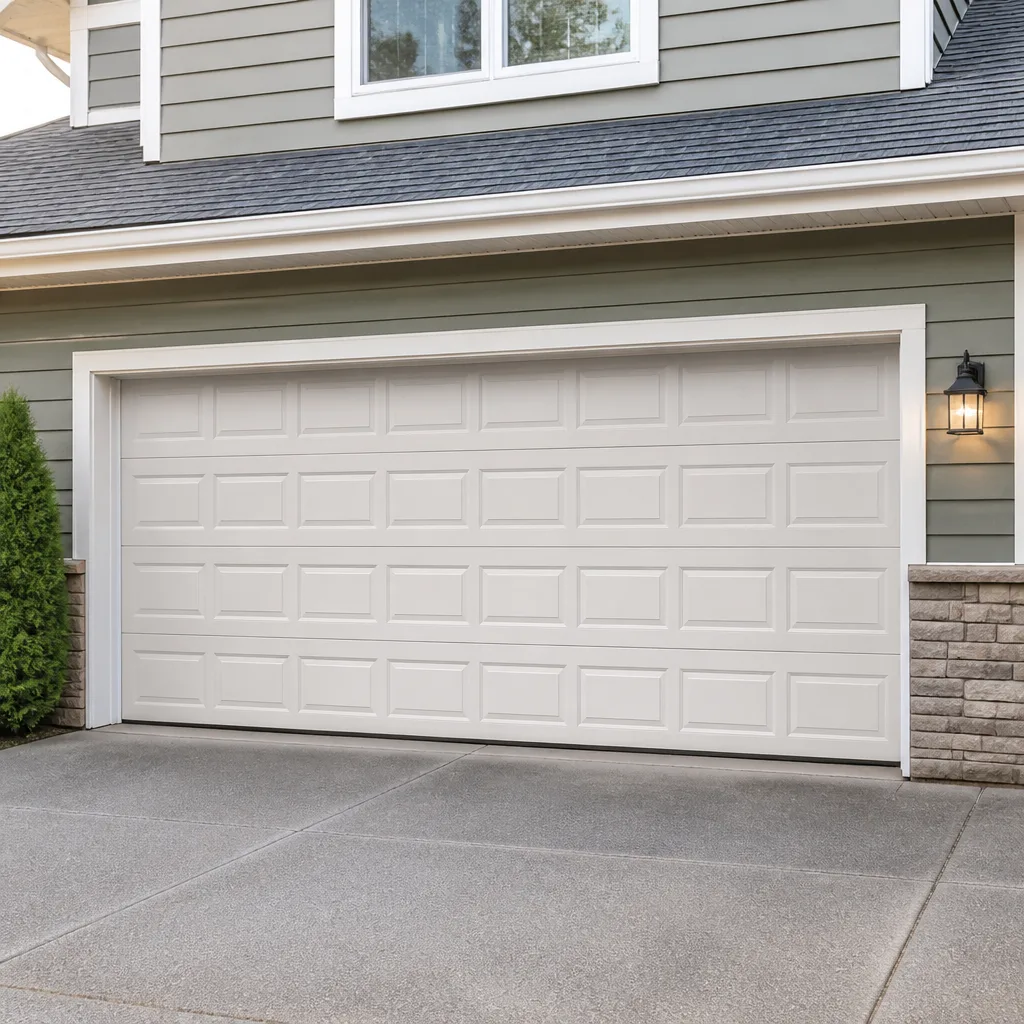 Raised-panel steel
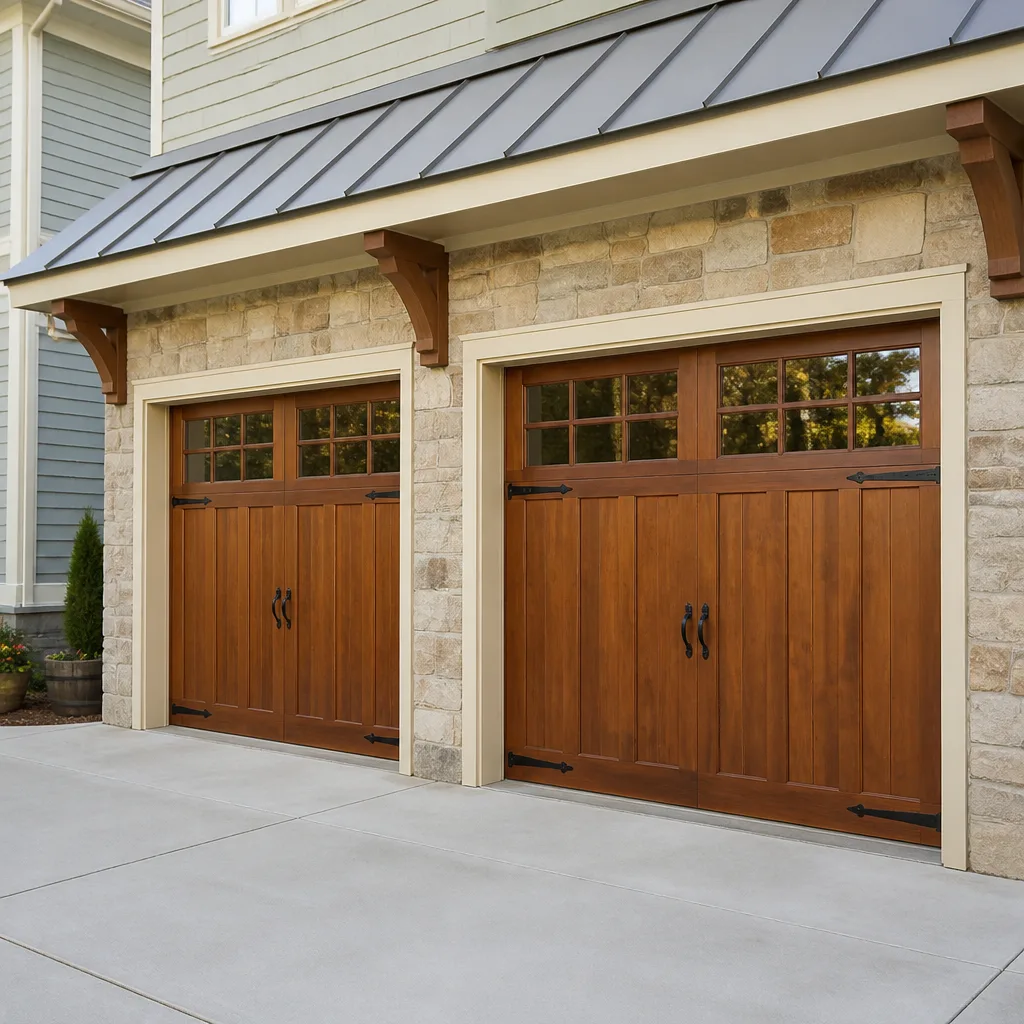 Carriage house
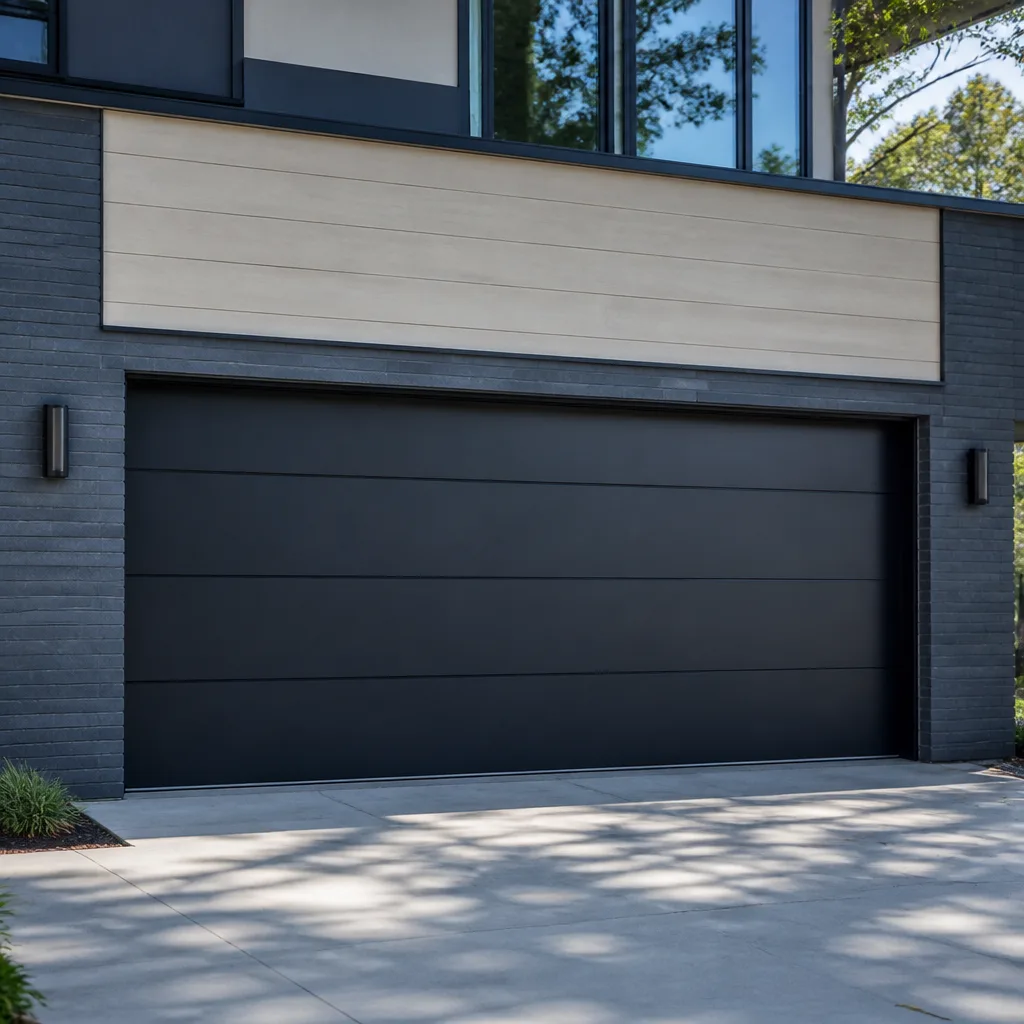 Modern flush
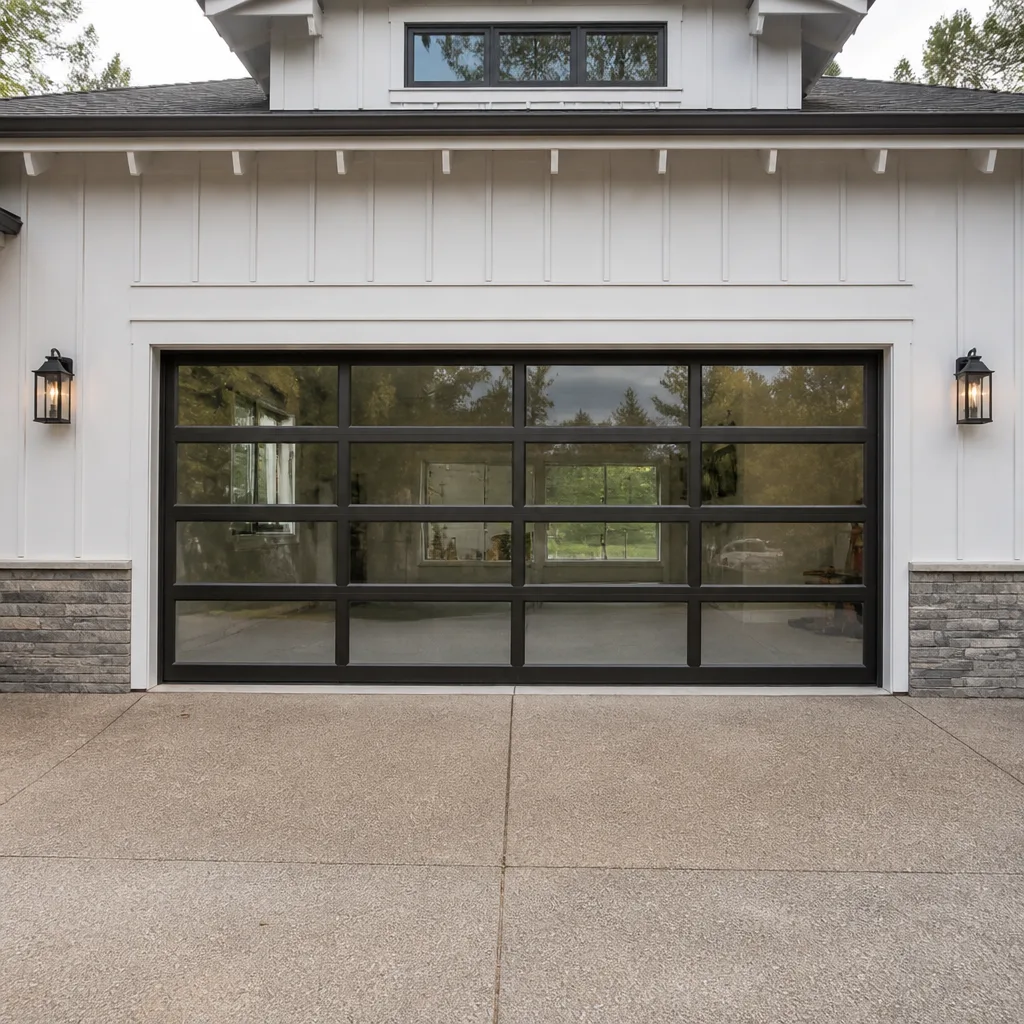 Full-view glass
 LiftMaster openers
 Chamberlain openers
Full 25-point door and opener safety check with every visit - springs, cables, rollers, tracks, and your LiftMaster or Chamberlain opener included
You get a price before we start. It does not change when the pro arrives.
Get your free estimateHow to Hire a Garage Door Contractor in Fountain Square: A Step-by-Step Guide
Three quotes that all say “full installation” can mean three completely different scopes of work. One contractor prices a door swap and nothing else. Another quietly bundles jamb repairs and haul-away into the number. A third leaves both out and surprises you once the old door is already on the ground. That gap is where budgets break, and it’s the reason a hiring guide written for the suburbs won’t help you in a dense, older neighborhood like Fountain Square. Here you’re also dealing with alley access, tight turnarounds, and wood jambs that have had decades of Indianapolis weather working on them. This guide gives you the exact questions, certificates, and warranty terms to sort the real specialists from the low-bid outfits, so you hire once and hire right.
Quick Answer
To hire a garage door contractor in Fountain Square, get a written scope that names the door, the opener, jamb and header condition, and cleanup; verify the Indiana contractor’s state licensing and request a certificate of insurance that lists general liability and workers’ compensation; confirm whether parts are on hand or ordered; and require a written warranty covering parts, labor, and opener programming. Never sign on price alone. The cheapest quote usually wins by leaving something out, and you find out what after the work starts.
Styles & brands we work with
- Raised-panel steel
- Carriage house
- Modern flush
- Full-view glass
- LiftMaster openers
- Chamberlain openers
Table of Contents
- 1. Start With the Scope of Work, Not the Price
- 2. How to Verify Indiana Licensing and Insurance
- 3. Red Flags Specific to Low-Bid Garage Door Outfits
- 4. What a Written Warranty Should Cover
- 5. Urban Logistics: Alley Access, Dumpsters, and Cleanup
- 6. Match the Contractor to Your Door and Opener Brand
- 7. Structural Surprises Hiding Behind Old Jambs
- 8. The Questions to Ask Before You Sign
1. Start With the Scope of Work, Not the Price
Price is the last thing you should compare, not the first. Two quotes for the same “installation” can cover wildly different work, and the only way to compare them fairly is to line up the scope item by item. In Fountain Square, where much of the housing stock predates modern construction standards, that difference shows up in the framing more often than in the door itself. A contractor who only prices the door is pricing a fraction of the job.
Before you sign anything, make sure the written scope names each of these:
- The exact door model and size, including brand (Clopay, Amarr, Wayne Dalton, and Raynor are common on both new builds and older homes) and R-value or insulation level.
- The opener, if one is included: make, model, and whether it’s a belt, chain, or screw drive, and whether it’s smart-home or Wi-Fi compatible.
- Jamb and header inspection, with a stated position on whether the existing framing is sound or needs repair, and who pays if it doesn’t.
- Track and hardware: new or reused, and whether the tracks are being reset for a proper seal.
- Weatherstripping and bottom seal, spelled out separately so you know it isn’t assumed.
- Removal and disposal of the old door and any packaging, with the dumpster fee called out.
- Opener programming, including remote and keypad setup, if an opener is part of the job.
A scope that skips the framing inspection is the single most common way a “complete” quote turns into a change order. Ask directly: “If the header is soft or the jamb is out of plumb, is that in this price, or is that extra?” The answer should be in writing. If you already have a failing door and need it fixed rather than replaced, the same scope discipline applies to garage door repair – ask exactly what’s being replaced and what’s being adjusted.
2. How to Verify Indiana Licensing and Insurance
Indiana does not license general contractors under a single statewide trade license the way some states do, so your verification work is a little different here than a national hiring guide would suggest. What you can and should confirm is that the person doing the work is operating as a legitimate business and carries the coverage that protects your home if something goes wrong. A garage door is a heavy, spring-loaded system, and a contractor without proper insurance is a liability you don’t want to inherit.
Ask for and actually read the following:
- A certificate of insurance naming the business. Look for general liability coverage and, critically, workers’ compensation. If a helper is injured on your property and there’s no workers’ comp, that exposure can come back to you.
- The certificate should list you or your address as the certificate holder for the duration of the job, not just show a policy number. A generic certificate with no job-specific dates tells you less than you think.
- Business registration with the Indiana Secretary of State if they operate as an LLC or corporation, which you can look up yourself in minutes.
- Whether they subcontract the install. If a crew you’ve never met shows up, the insurance and warranty questions apply to them too. Ask who’s actually doing the work.
If anyone hesitates on insurance, that’s your answer. A specialist trade service expects to be asked and can produce the paperwork without drama. Our technicians have up to 12 years of experience, but experience is not a substitute for coverage – ask for both.
3. Red Flags Specific to Low-Bid Garage Door Outfits
The lowest bid is usually the lowest because something was removed from it. In a garage door job, that something is often parts availability, proper disposal, or the framing work nobody wants to price until they’re on site. Watch for these signals before you commit.
- “We’ll have to order that part” as a default. A contractor who doesn’t stock common parts will book you twice: once to diagnose, once to return whenever the part arrives. Ask whether the fix happens in one visit or two.
- Vague warranty language. “Guaranteed” with no term, no parts-vs-labor breakdown, and no opener coverage is not a warranty. It’s a word.
- Subcontracted installs with no named crew. If the person quoting isn’t connected to the person installing, accountability gets murky fast.
- Quotes that don’t mention disposal or dumpster. In an alley-served block, haul-away is real work with real cost. If it’s missing, it’ll be added.
- No written scope at all, just a number. A verbal price on a garage door replacement is not a quote. It’s a starting point that moves.
- Pushback when you ask for insurance. Legitimate operations expect the question.
- A one-visit diagnosis that suddenly needs a full replacement. Spring and opener problems are frequently repairable. Get a second look before you agree to a new door.
None of these are automatic disqualifiers on their own, but two or three together mean you’re probably comparing a real scope against a padded one disguised as a bargain.
4. What a Written Warranty Should Cover
A written warranty should name three things separately: parts, labor, and opener programming, each with its own term. If those aren’t broken out, you can’t tell what you’re actually covered for. The manufacturer’s warranty on a Clopay or Amarr door is one thing; the labor to install it is another; and the setup of a LiftMaster or Chamberlain opener is a third. Reject any warranty that lumps them together into a single vague promise.
Here’s what to insist on in writing:
- Parts coverage with the term stated, and whether it’s the manufacturer’s warranty passed through or the contractor’s own.
- Labor coverage for the installation itself, including how long and what voids it.
- Opener programming and calibration: if the opener is set up wrong, the door’s safety reverse can fail, and that’s not a nuisance, it’s a hazard. The programming should be covered and should include a safety-reverse test on the day of install.
- Exclusions in plain language. What isn’t covered matters as much as what is. Post-install damage, door strikes, and customer adjustments should be stated, not buried.
- Spring and hardware coverage if springs or torsion hardware were replaced as part of the job.
Compare warranties line by line the same way you compare scope. A longer parts term with no labor coverage is worth less than a shorter parts term that includes the labor to install it. We can work with your manufacturer’s warranty and provide our own written terms, and we’ll walk you through exactly what each covers before the job is scheduled. If you’re comparing install quotes, our garage door installation page lays out what a full scope includes so you can hold every bid to the same standard.
5. Urban Logistics: Alley Access, Dumpsters, and Cleanup
Fountain Square was laid out for a different era of transportation, and a lot of its garages open onto alleyways rather than wide suburban driveways. That changes the logistics of a garage door job in ways a generic hiring guide ignores. A crew that arrives expecting a two-car driveway and finds a narrow alley, a low clearance, or a shared approach has to improvise, and improvisation costs time and money.
Ask about these logistics in the quoting conversation, before any work is scheduled:
- Alley width and clearance. How much room does the truck and the door delivery need? Is there a low-hanging obstruction, and does the alley stay passable for neighbors during the job?
- Dumpster placement. Where does it go, does it need a permit or a property-owner sign-off, and how long does it sit? On a tight block, a dumpster in the wrong spot blocks the whole alley.
- Scheduling around neighbors. An alley job affects the people on either side. A contractor who coordinates with neighbors is a contractor who’s done this before.
- Cleanup expectations. Old door removal, packaging, screws, and spring hardware should all leave with the crew. Ask who’s responsible for sweeping up and hauling away, and get it in the scope.
- Access during the job. Can you still get a vehicle in and out? Will the garage be unusable for the day? Confirm the timeline so you can plan.
These aren’t minor details. They’re the difference between a job that wraps cleanly and one that runs long because nobody measured the alley. Ask the questions up front, and get the answers in writing when the scope is drafted.
6. Match the Contractor to Your Door and Opener Brand
Your garage door and opener are a system, and not every contractor is fluent in every system. The door might be a Raynor from twenty years ago, the opener a Chamberlain smart unit, and the springs a matched pair that need to be replaced together. A technician who knows that equipment will diagnose it correctly the first time. A technician who mostly does general handyman work will replace parts by guesswork until something catches.
When you’re vetting contractors, ask which brands they work with regularly. A specialist should be comfortable across the common residential lines: doors from Clopay, Amarr, Wayne Dalton, and Raynor, and openers from LiftMaster, Chamberlain, Genie, and Craftsman. If your opener is a modern Wi-Fi or smart-home model, ask specifically whether they’ve programmed it before. Connected openers from LiftMaster and Chamberlain are common now, and setup and calibration are a different task than they were on older units.
This matters most for garage door opener repair, where a misdiagnosis wastes money and a bad repair leaves a safety feature compromised. We work on your brand, whether it’s a Craftsman chain drive that’s been in place for years or a new LiftMaster with app control. Same-visit fixes come from knowing the equipment and from having common parts on hand, which is why we stock and supply parts as part of the service.
7. Structural Surprises Hiding Behind Old Jambs
The most expensive surprise in a garage door replacement is rarely the door. It’s the wood behind it. In an older Fountain Square home, the jamb and header have had years of Indianapolis freeze-thaw cycles, summer humidity, and general settling working on them. The door may look sound from the front, but pull it and you can find soft wood, out-of-plumb framing, or a header that no longer carries the load the way it should.
Ask the contractor how they handle this, and specifically what they’ll do if they find it:
- Will they inspect the jamb and header before quoting? A proper measure should include looking at the framing, not just measuring the opening.
- What’s their policy on change orders? The written quote should state what happens if framing repair is needed, and roughly what that work costs. If jamb repair isn’t in the base scope, ask for a separate line item so you can budget for it.
- Will they reset the tracks to the new door? A new door on old, out-of-line tracks will bind and wear. The tracks need to be true or replaced.
- Is the header sound enough to carry the spring system? Torsion springs put real load on the header. If the framing is compromised, a trained professional needs to correct it before the door goes up.
This is the conversation to have before signing. A contractor who says “we’ll see when we get there” is telling you the price you’re quoted is a guess. A contractor who inspects the framing and prices the likely repairs up front is telling you the number will hold.
8. The Questions to Ask Before You Sign
Here’s the checklist. Ask every one of these before you sign, and get the answers in writing. If a contractor can’t or won’t answer them, that’s information you need.
- What’s the exact scope of work? Door, opener, framing, hardware, seals, disposal, and programming, itemized.
- Are you licensed and insured? Show me the certificate of insurance, including general liability and workers’ compensation.
- Who’s doing the install? Your own technicians, or a subcontractor I’ve never met?
- Do you stock the parts, or are you ordering them? Will this be one visit or two?
- What’s your written warranty? Parts, labor, and opener coverage, each with its own term.
- How will you handle jamb or header repair if you find it? Is that in the base price, or a separate line?
- What’s the logistics plan? Alley access, dumpster, cleanup, and how long the garage is out of service.
- How do you handle spring repair? Springs are the highest-risk part of the system. Ask how they source and install them, and confirm they don’t expect you to touch them.
We’ll answer all of these up front, in writing, before anything is scheduled. That’s how a quote holds: the scope is clear, the surprises are priced, and the cleanup is named.
Common Mistakes to Avoid
- Signing the lowest bid without comparing scope. A quote that leaves out framing, disposal, or opener programming isn’t cheaper, it’s incomplete. The real cost shows up later as a change order.
- Skipping the insurance check. In a state without one blanket contractor license, the certificate of insurance is your main protection. Ask for it, read it, and confirm the workers’ comp line.
- Assuming the framing is sound because the door looks fine. In an older Fountain Square home, soft jambs and out-of-plumb headers are common. Ask for a framing inspection before the door is ordered.
- Accepting a verbal warranty. “We guarantee it” is not a warranty. Get the parts, labor, and opener terms in writing with their own durations.
- Ignoring the alley logistics. A dumpster in the wrong spot on a narrow alley blocks the whole block. Confirm placement and clearance before the job is scheduled.
- Hiring a shop that orders every part. A two-visit fix is a scheduling headache and a longer time without a working door. Ask about parts on hand up front.
- Letting a general handyman touch the springs. High-tension springs are the most dangerous part of the system. This is not a DIY or handyman job.
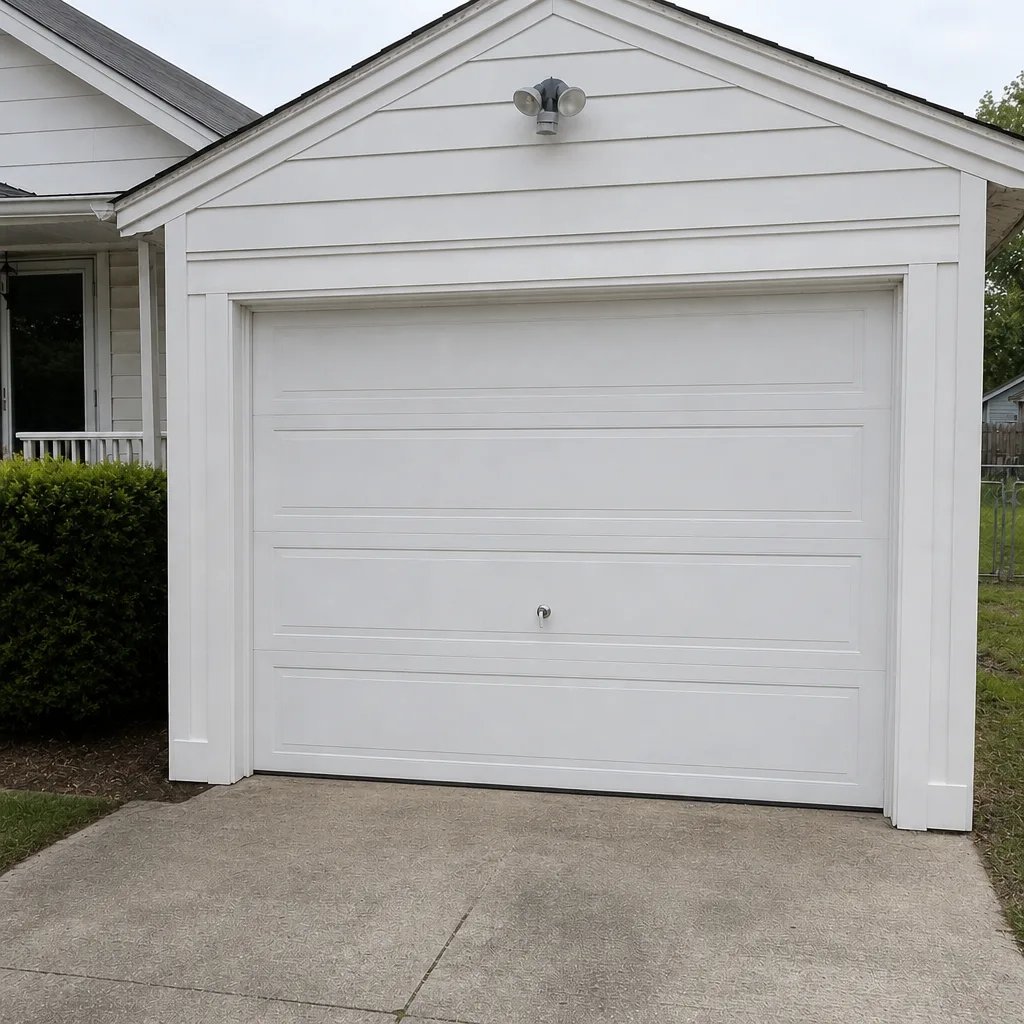
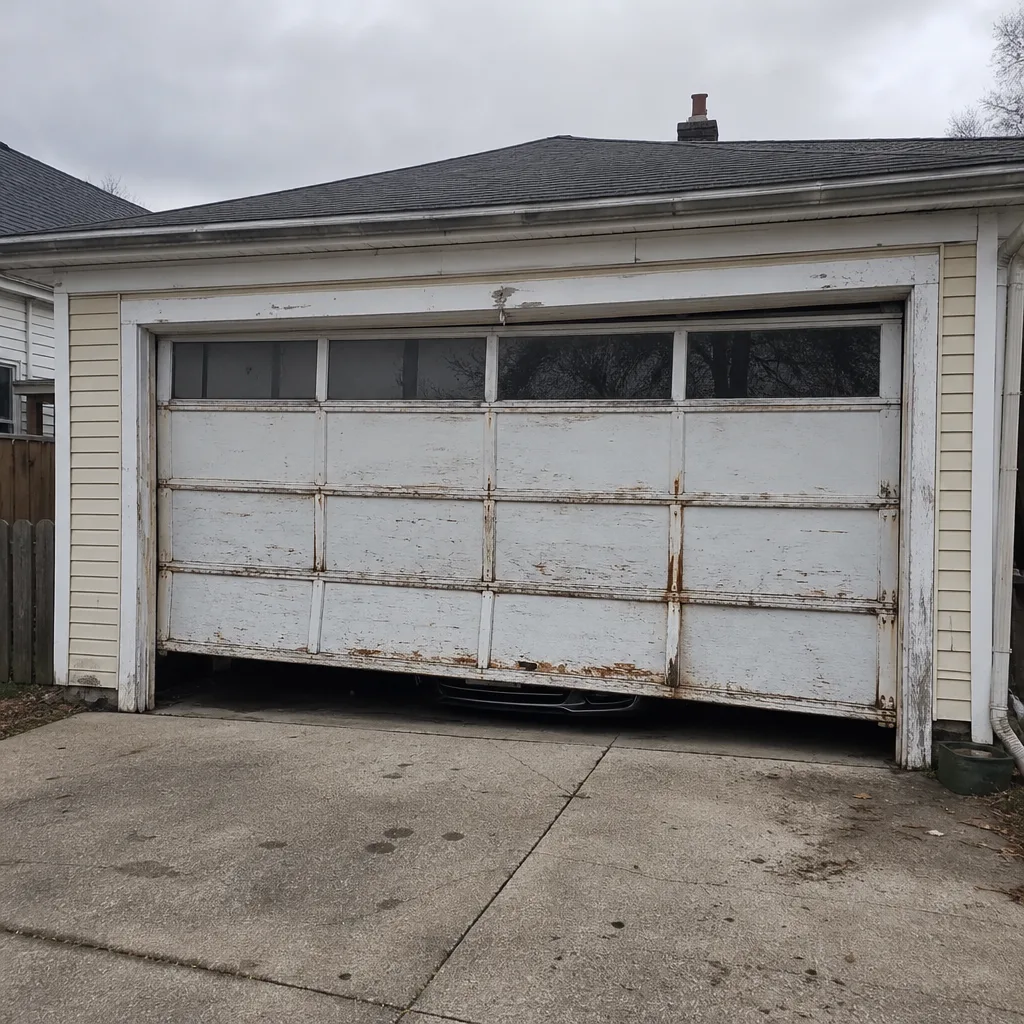
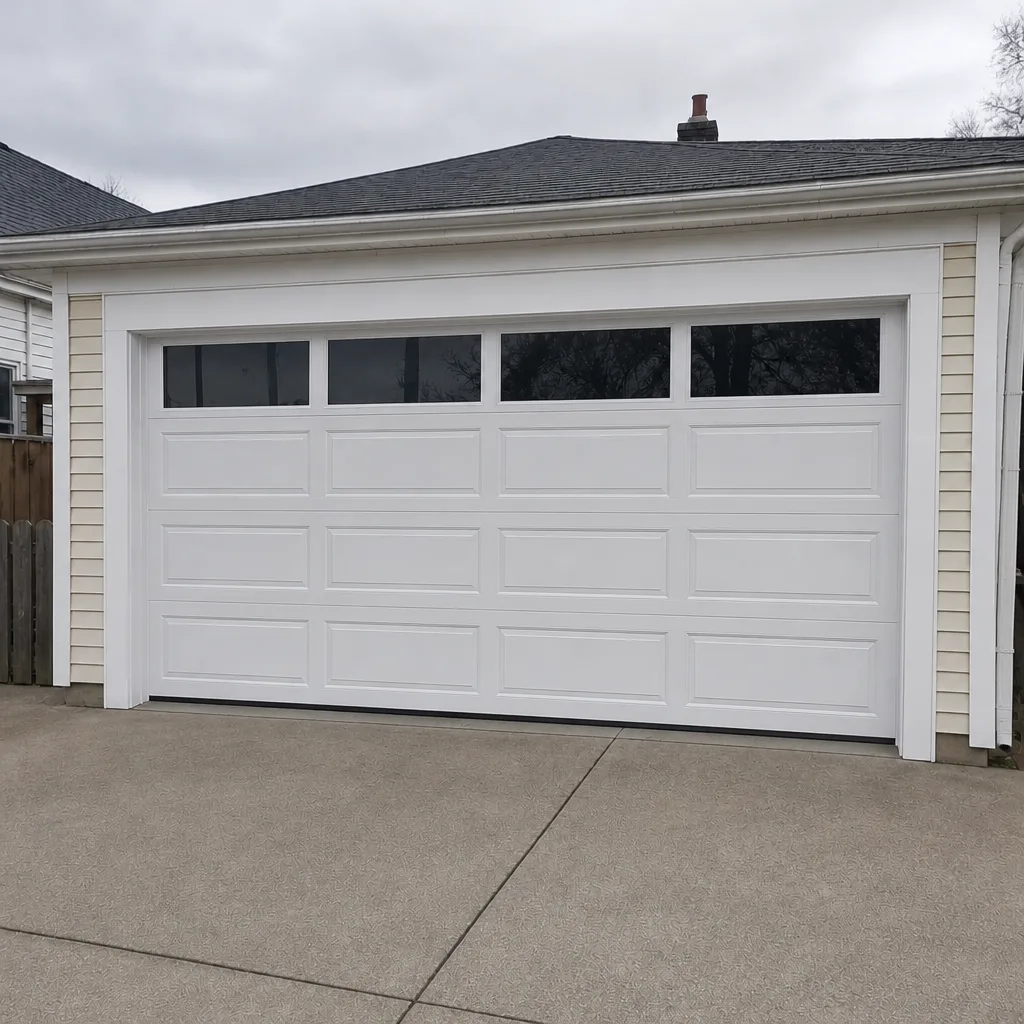
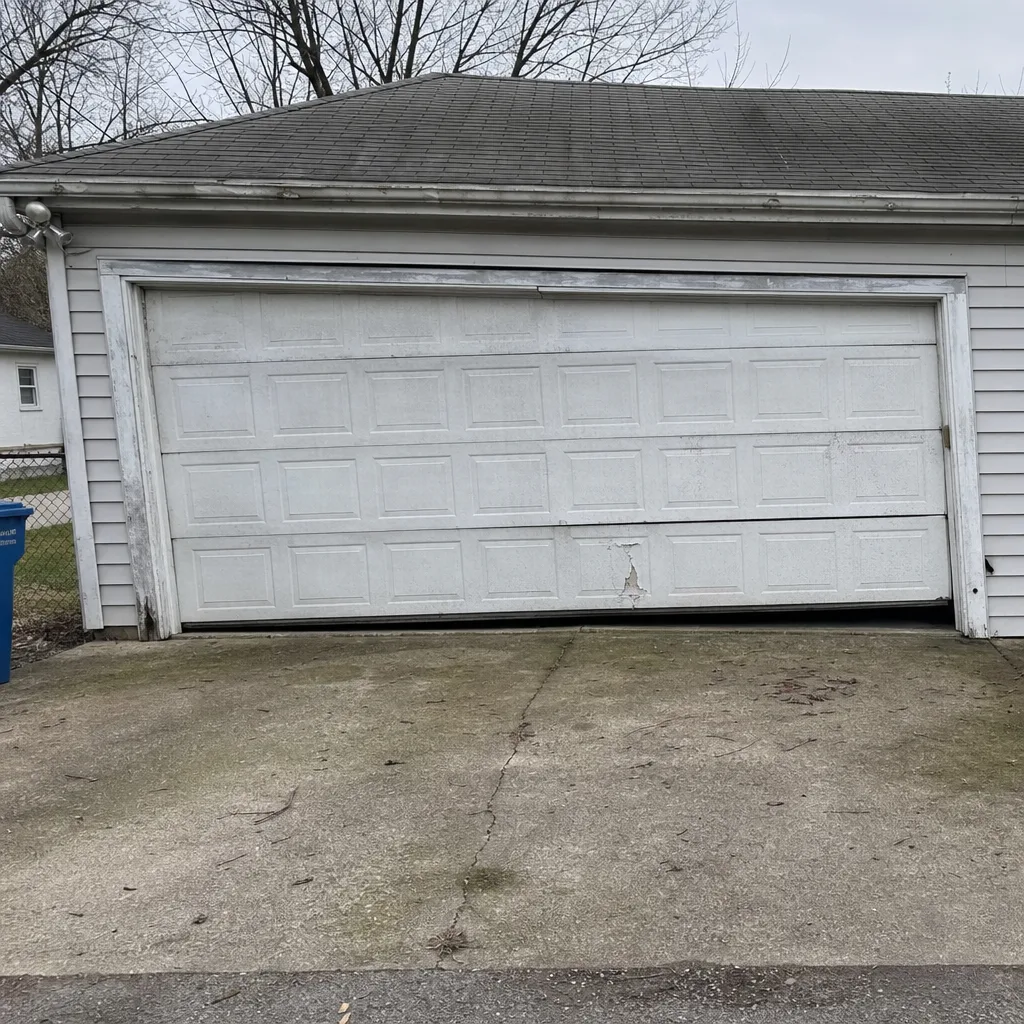
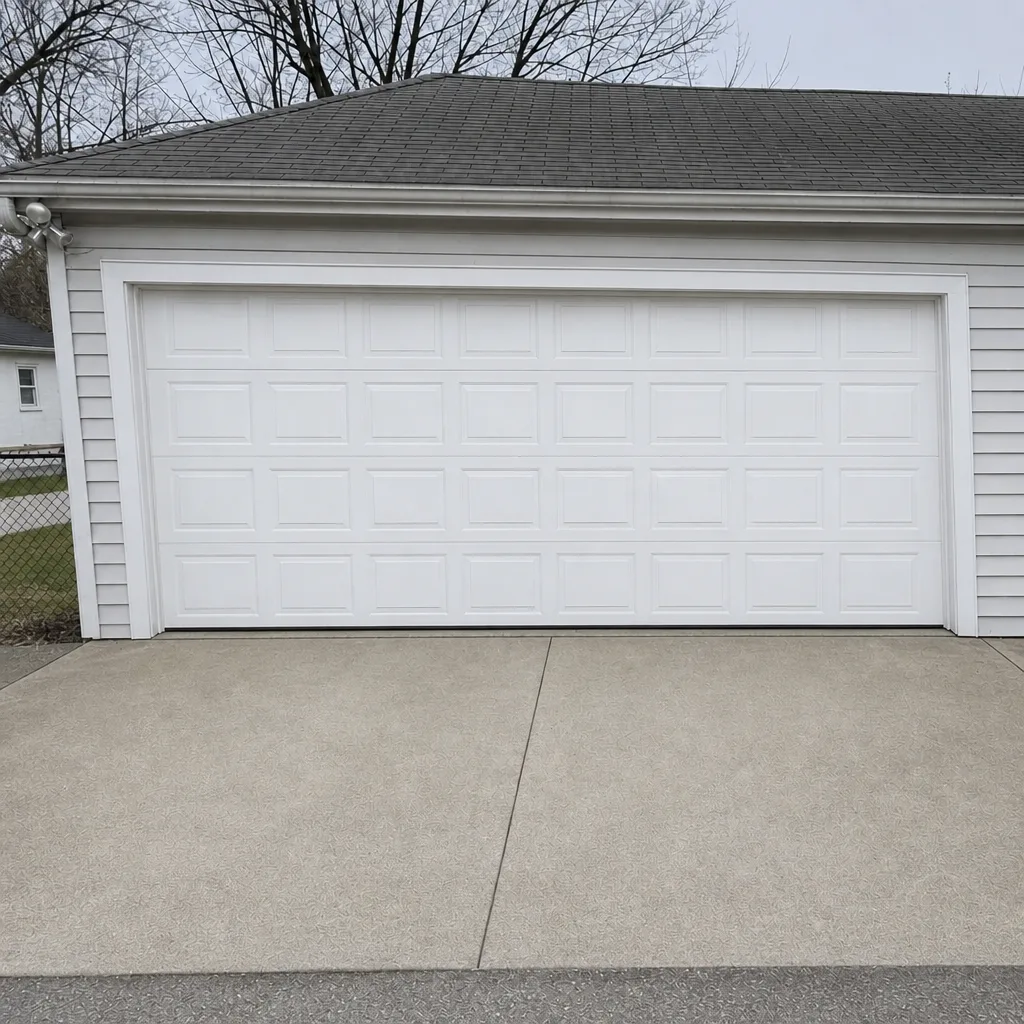
See the difference
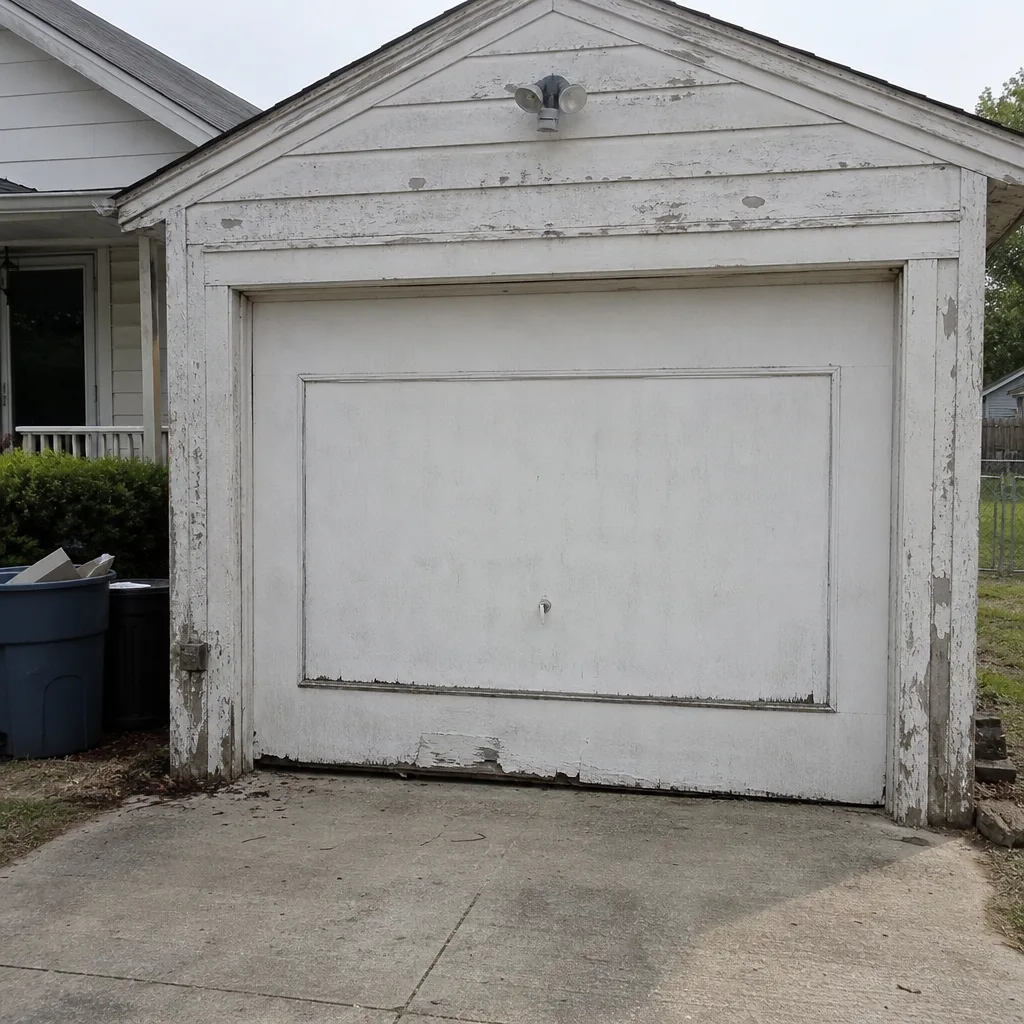 Before
 After
 Before
 After
 Before
 After
When to Call a Professional
Some garage door problems are worth a phone call the moment they show up. A broken spring, a snapped cable, a door that’s come off one track, or an opener whose safety reverse fails all need a trained professional, and they need one before anyone touches the door. Don’t try to test or move a door with a compromised spring; the tension in those springs can cause serious injury. The same goes for electrical work on a hardwired opener and for anything involving the header or framing – that’s structural, and it needs to be evaluated properly. If your door is binding, jerking, or making a new noise, get it looked at before it fails. For a quote on repair or a full Garage Door Repair Fountain Square job, Garage Door Repair Fountain Square offers free estimates in Fountain Square – call (877) 335-6376.
Frequently Asked Questions
Typical spring repair in the Fountain Square market runs roughly $180 to $340 for one spring, and a matched pair (which is usually replaced together) costs about twice that. The written estimate sets the final price. Springs are sold and priced individually, so ask whether your quote is for one or both. Call (877) 335-6376 for an exact quote – estimates are free.
For emergency repairs like a broken spring or a door off its track, we can often get a technician out the same day, and dispatch runs from 7am to 7pm. New door installation and replacement are measured, ordered, and scheduled, so those are booked rather than same-day. The local pro is licensed and insured as their state requires. Call (877) 335-6376 and we’ll tell you what’s available.
No – the written quote is the price, provided the scope matches what’s on site. The one place a change can occur is framing: if the jamb or header is compromised, that repair should be priced as a separate line item before work starts. Ask for that line up front. The price is quoted and agreed before any work begins. Call (877) 335-6376 for a free estimate.
The local pro we connect you with is licensed and insured as their state requires, and we can walk you through the certificate of insurance before the job is scheduled. Ask for general liability and workers’ compensation coverage specifically. If a quote doesn’t come with insurance paperwork on request, that’s a warning sign. Call (877) 335-6376 to discuss your job.
We work on the common residential lines, including LiftMaster, Chamberlain, Genie, and Craftsman, and on doors from Clopay, Amarr, Wayne Dalton, and Raynor. Smart-home and Wi-Fi compatible openers are in scope, including programming and calibration. Tell us the model when you call and we’ll confirm what’s involved. Call (877) 335-6376.
A written warranty should name parts, labor, and opener programming separately, each with its own term, plus a plain-language list of exclusions. Reject any warranty that lumps those together into one vague term. Ask for the manufacturer’s coverage and the contractor’s own terms side by side. Call (877) 335-6376 for details on our written warranty.
The Bottom Line
Hiring a garage door contractor in Fountain Square comes down to comparing scope, not price. Get the door, opener, framing, hardware, disposal, and programming itemized in writing. Verify the Indiana contractor’s insurance, ask who’s actually doing the install, and require a warranty that covers parts, labor, and opener setup separately. Then ask the urban-logistics questions about alley access, dumpster placement, and cleanup, and price the likely framing repairs up front so the number holds. Do those things and you’ll hire once and get it right. The cheapest bid usually wins by leaving something out, and that something shows up after the door is already down.
Written by the team at Garage Door Repair Fountain Square.