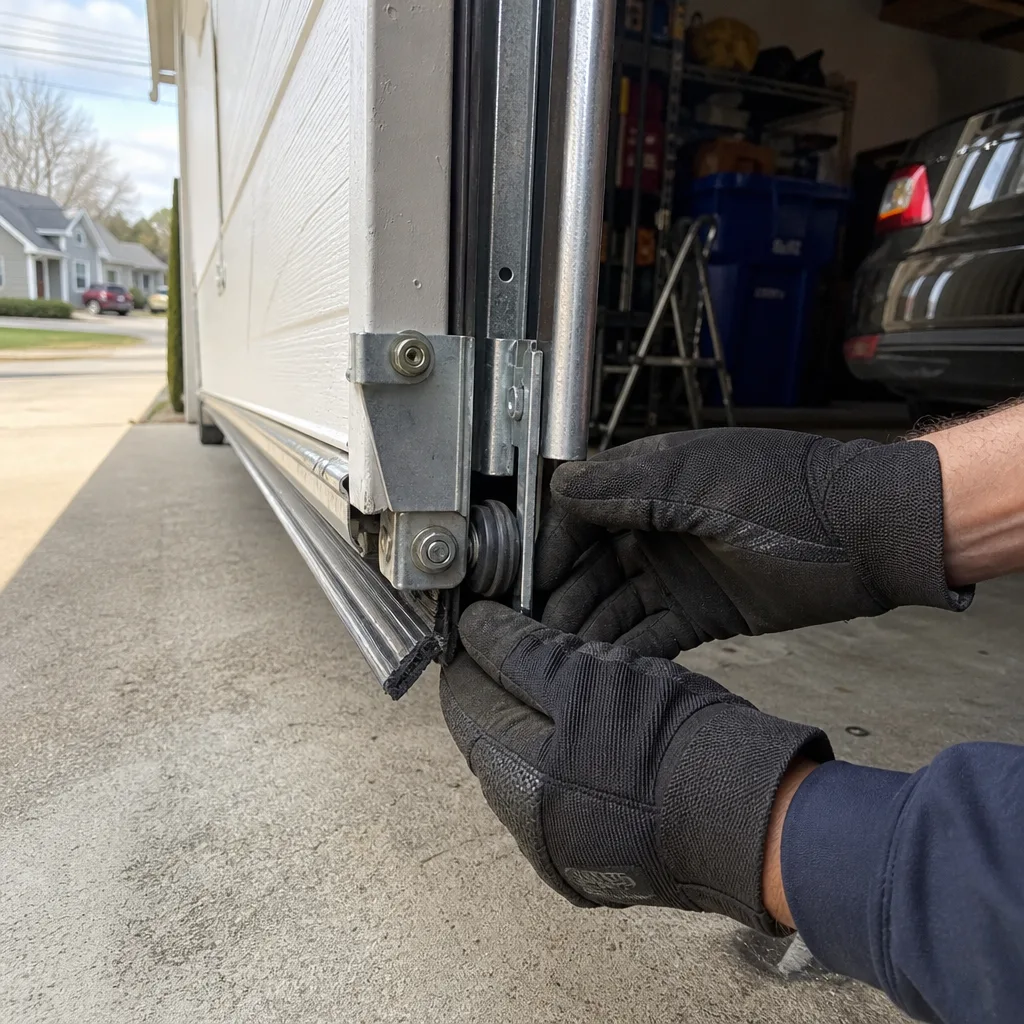
Last updated November 20, 2026
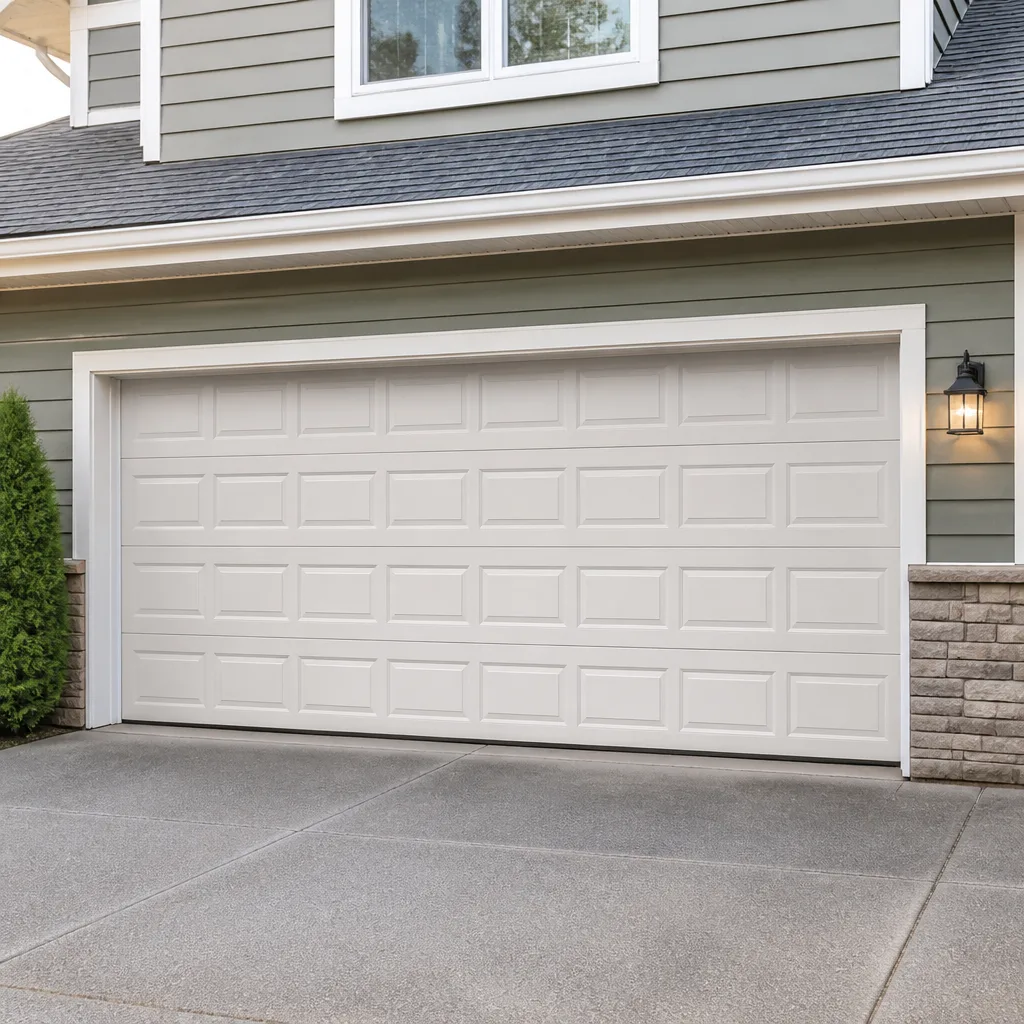 Raised-panel steel
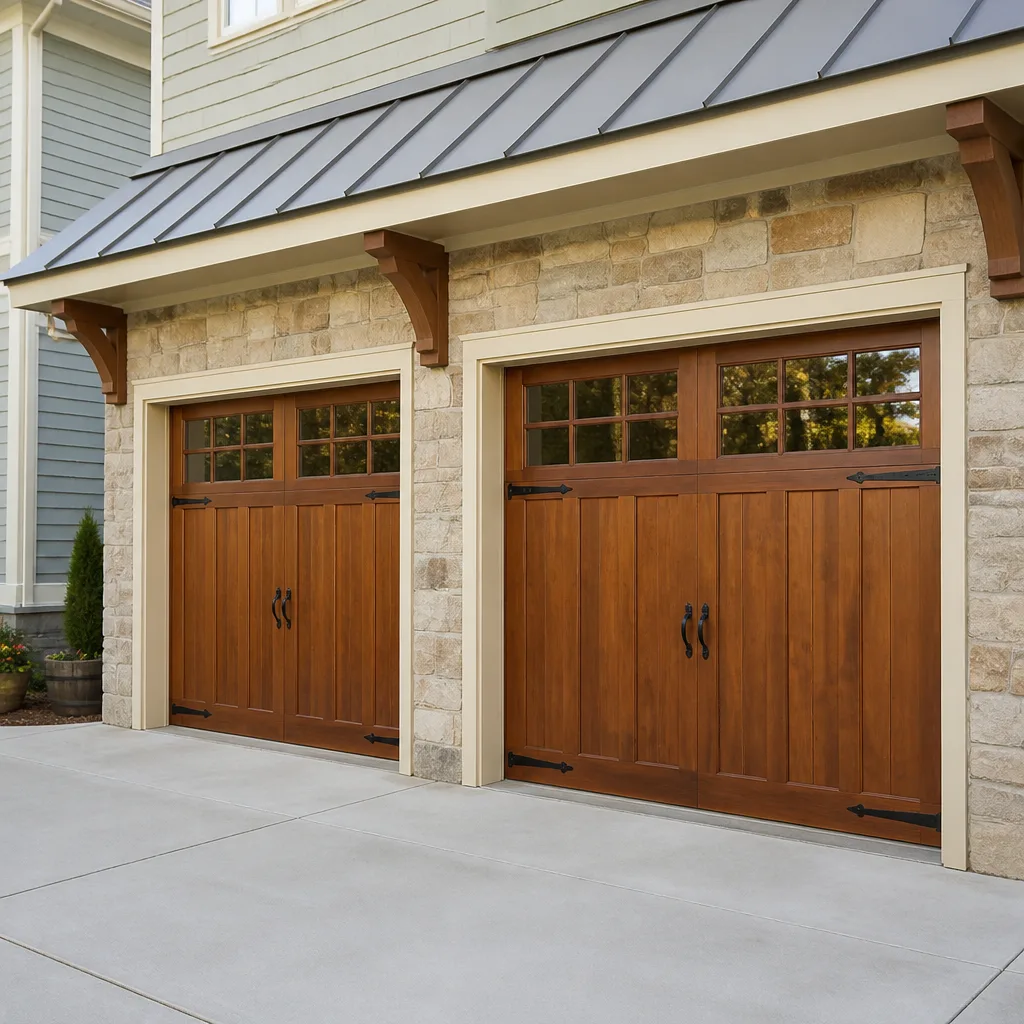 Carriage house
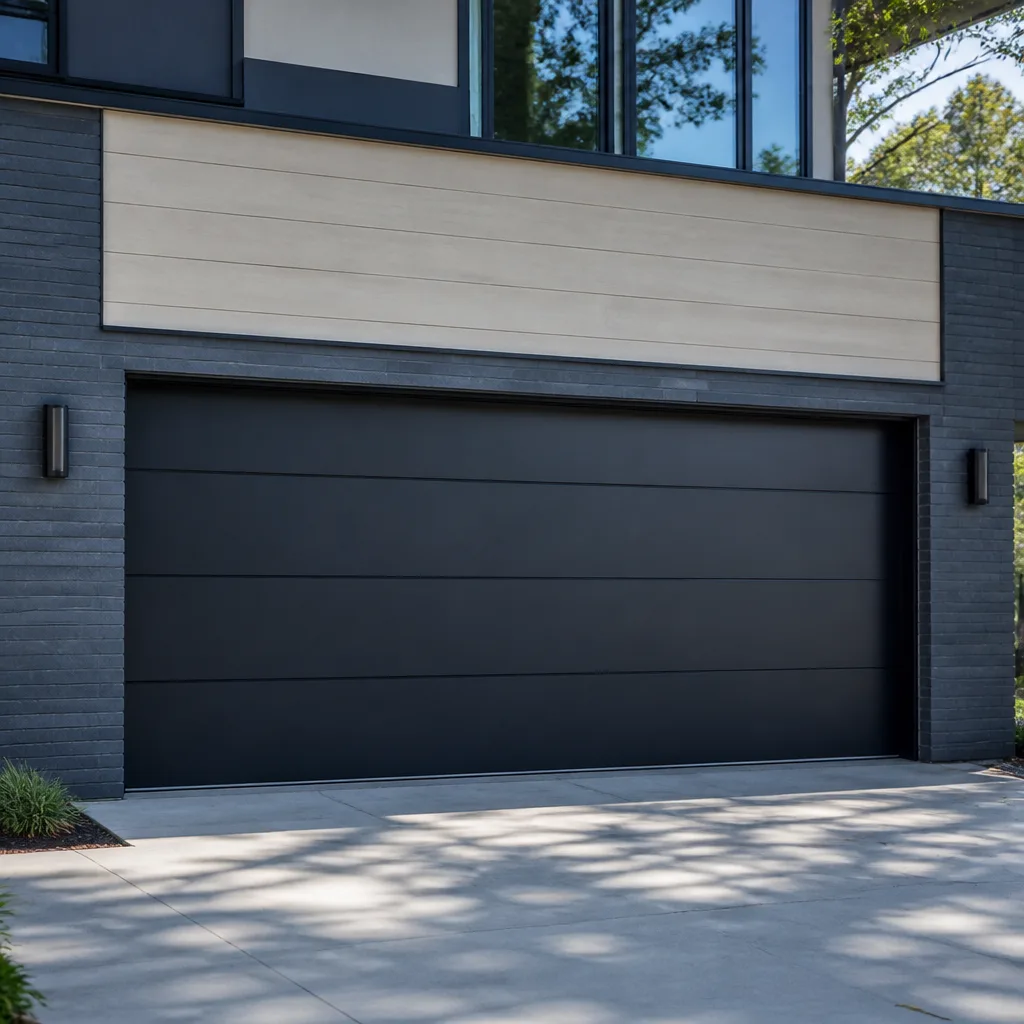 Modern flush
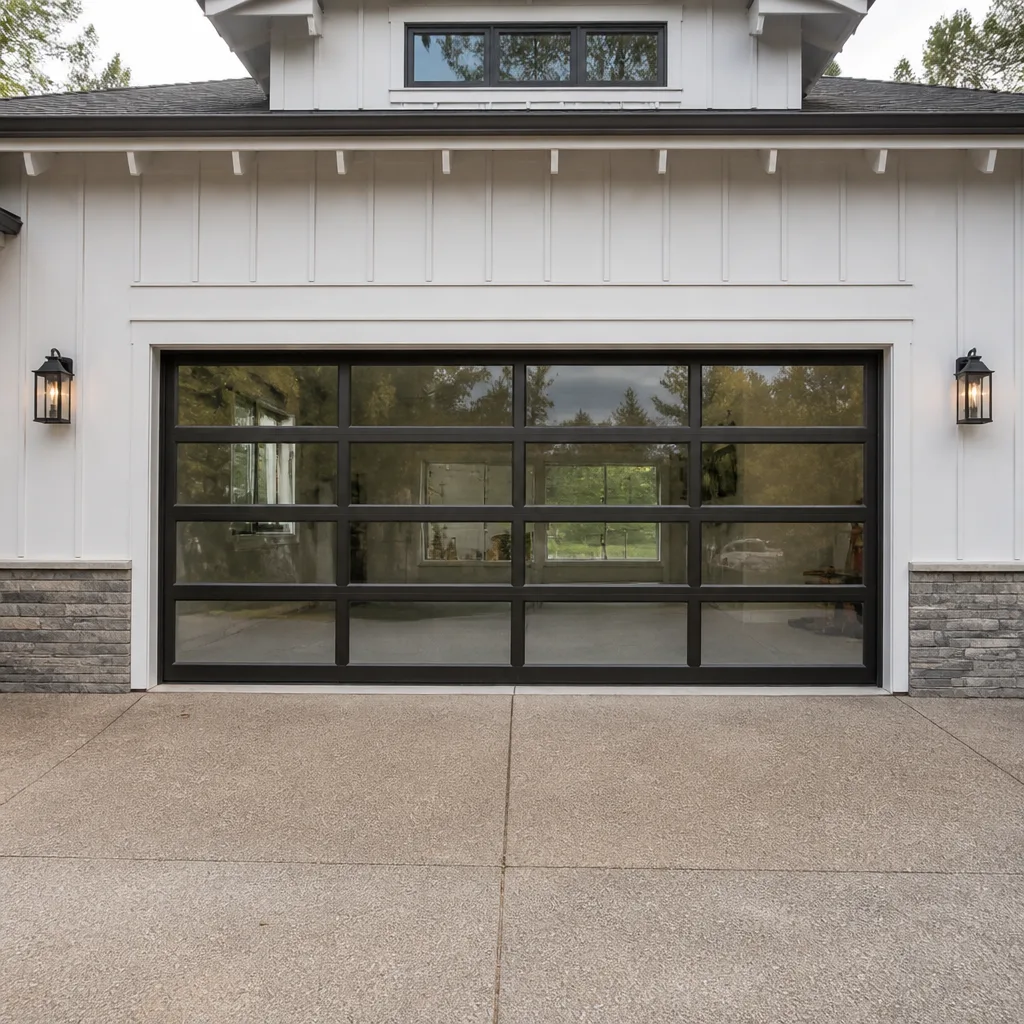 Full-view glass
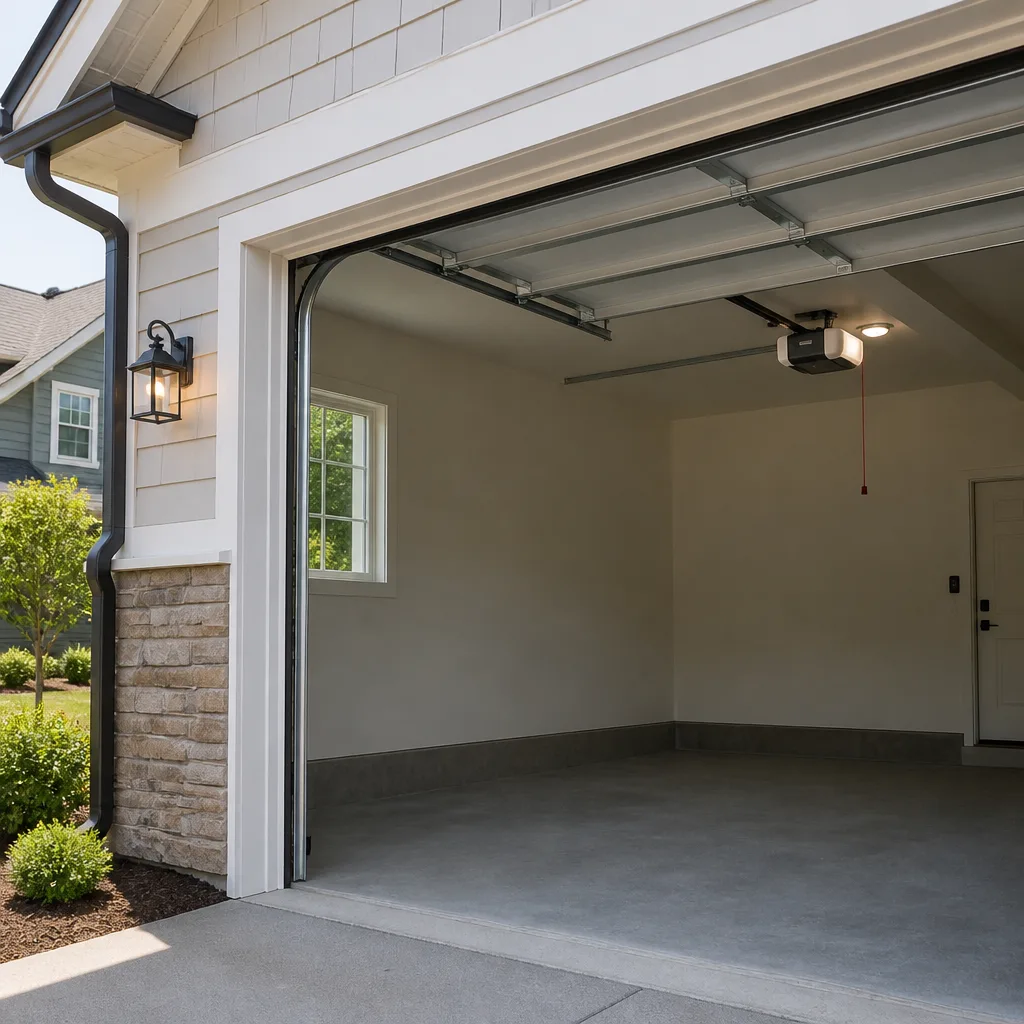 LiftMaster openers
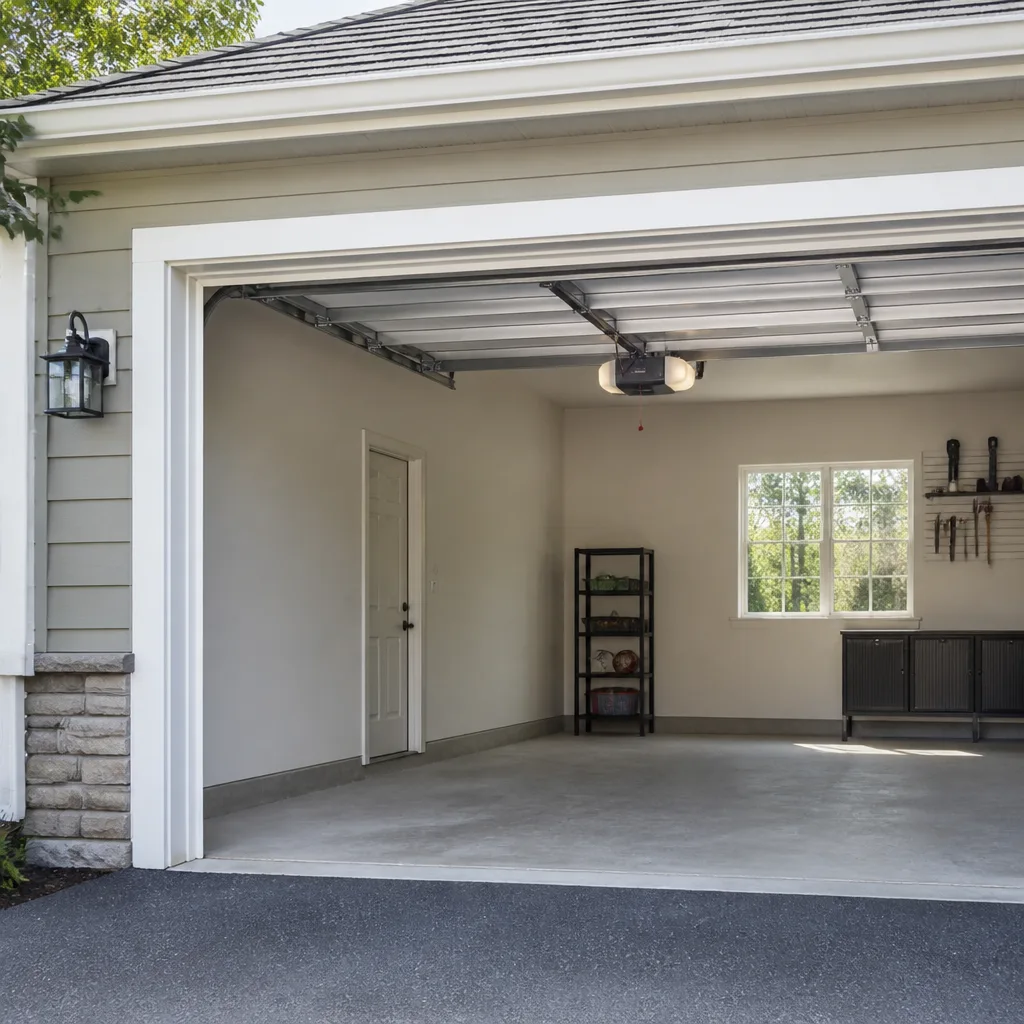 Chamberlain openers
Full 25-point door and opener safety check with every visit - springs, cables, rollers, tracks, and your LiftMaster or Chamberlain opener included
You get a price before we start. It does not change when the pro arrives.
Get your free estimateGarage Door Permits, Codes & Inspections in Fountain Square, IN: What You Need to Know
Most homeowners assume a garage door swap is permit-free. In Fountain Square, that assumption can hold for years and then surface at the worst possible moment: the appraisal, the home inspection, or a title search before closing. A simple door replacement can move forward with no paperwork at all, while a job that touches the wall above the opening, the electrical line to the opener, or the partition between garage and house can trigger a Marion County permit and an inspection. This guide lays out exactly which jobs need a permit, which don’t, how the electrical side works, and what it costs to fix unpermitted work after the fact.
Quick Answer
In Fountain Square and the rest of Marion County, replacing a garage door on an existing, undamaged opening with a like-for-like unit generally does not require a building permit. A permit is typically required when the work alters the wall, header, or framing around the opening, when the garage is attached to the house and the door assembly is part of the fire separation, or when the opener install involves new wiring. When in doubt, call the City of Indianapolis Department of Business and Neighborhood Services before the job starts, not after.
Styles & brands we work with
- Raised-panel steel
- Carriage house
- Modern flush
- Full-view glass
- LiftMaster openers
- Chamberlain openers
Table of Contents
- Does Replacing a Garage Door in Fountain Square Need a Permit?
- Structural Modifications and the Opening
- When an Opener Install Triggers an Electrical Permit
- Fire Separation in Older Attached Fountain Square Garages
- How to Pull a Permit Yourself vs. Hiring It Out
- What a Failed Inspection Looks Like and What It Costs
- How Door Choice Affects Compliance
- What the Inspector Actually Checks
Does Replacing a Garage Door in Fountain Square Need a Permit?
The short answer: usually no for a straight swap, usually yes for anything that changes the building. Indianapolis and Marion County building rules are not written specifically about garage doors, so the permit trigger comes down to what the job actually does to the structure. A door replacement that fits the same rough opening, reuses the same track, and keeps the same opener is treated as maintenance. A job that widens the opening, replaces a header, or changes a door from wood to insulated steel with a heavier weight is treated as construction.
Here’s where the line usually falls for fountain square garage door work:
- No permit normally required: swapping a door panel-for-panel, replacing springs or cables, replacing rollers and hinges, replacing an opener with a same-voltage unit on an existing outlet.
- Permit likely required: enlarging or shortening the opening, adding a header or structural support, changing from a roll-up to a sectional door that needs new track anchored to new framing, adding a new electrical circuit for a high-lift opener or a battery-backup unit in a detached garage without power.
- Permit and inspection required: any work affecting the fire-separation wall between a garage and living space, and any structural change to a load-bearing wall or the ceiling structure above the door.
Fountain Square homes with attached garages under the same roof line are the ones that most often hit the structural and fire-separation triggers, because those houses genuinely do get remodels where the opening gets enlarged and new framing goes in. If you’re replacing the door as part of a larger renovation, the door permit is usually rolled into the main building permit, and the inspector will look at the door assembly as part of the overall rough-in.
Structural Modifications and the Opening
Any change to the size, shape, or support of the garage opening is a structural modification, and in Fountain Square that work needs a permit. The reason is straightforward: the header above the garage door carries the load of whatever sits over the opening, and changing the opening size means changing what that header has to carry. The city’s building department needs to see that a qualified person has sized the new header correctly.
These are the structural jobs we see most often in fountain square garage door projects:
- Enlarging a single door to a double. Common in older homes where the original doorway was sized for a compact car. Needs a new wider header and engineering.
- Adding a door where none existed. A wall with no opening becomes a garage opening. Full permit, full inspection, both framing and electrical.
- Raising the opening height. Usually for a high-lift track system or a taller door. The header moves; permit required.
- Replacing a deteriorated header. Even a same-size replacement is structural work, not maintenance.
- Converting a carport to an enclosed garage. New walls, new door, and in an attached structure, fire-separation review.
If you’re in the planning stage, it’s worth having the garage door installation conversation early, before the framing contractor commits to opening dimensions. Getting the rough opening right the first time saves the demolition of a freshly built header because the door supplier can’t match the specified size. We work with homeowners planning Fountain Square garage door installation and our technicians have up to 12 years of experience reading plans against door specs, which matters more than people expect.
When an Opener Install Triggers an Electrical Permit
An opener swap on an existing outlet is not electrical work. An opener install that adds a new outlet, a new circuit, a new disconnect, or a new hardwired low-voltage line is electrical work, and in Marion County that work requires a permit pulled by a licensed electrician. This is the gap that catches the most homeowners in Fountain Square, because many older garages have a single overhead outlet that powered the original opener and nothing else.
Here’s how it usually breaks down for fountain square garage door opener repair and replacement:
- Same outlet, same voltage, same opener type: no electrical permit. The new unit plugs in where the old one was.
- Battery-backup opener where none existed: still usually plugs into the existing circuit, but if there isn’t a dedicated outlet, an electrician adds one and pulls the permit.
- Wi-Fi or smart-home opener with a new low-voltage control run: the low-voltage run itself may not need a permit in every case, but any line-voltage change does.
- New circuit for a detached garage opener: full electrical permit, inspection, and a signed-off breaker.
We work on LiftMaster and Chamberlain openers regularly, and we know where the electrical side ends and the door side begins. When a job needs an electrician, we say so before the opener goes up, because wiring done without a permit is the single most common reason an inspection fails later. See the full garage door opener repair page for how we handle opener diagnostics.
Fire Separation in Older Attached Fountain Square Garages
Any attached garage in Fountain Square has a fire-separation requirement between the garage and the house. That requirement is about the wall, the ceiling, and any door that separates the two occupancies. A garage door itself is not the fire-separation wall in a typical setup, but the door assembly and its hardware can affect how the wall performs if the job involves modifying the opening or adding a new doorway between garage and house.
Here’s what matters most for fountain square garage door work in a fire-separation context:
- The wall matters more than the door. If you’re adding an opening from garage to house, that doorway needs the right fire-rated door and self-closing hardware, not a standard interior door.
- The garage ceiling may be a fire-separation assembly. If you’re replacing the opener and adding a new low-voltage run through the ceiling, check that you’re not compromising that assembly.
- Older homes in Fountain Square frequently have drywall patched over existing fire separation. An inspector will look at that when a permit is open.
- Insulated doors are not a fire rating. An insulated Clopay or Amarr door is not automatically a fire-rated door; the two are different approvals.
If the work is a straight door replacement in an attached garage and the separating wall is untouched, this section usually does not change the plan. If the job touches the wall, or the door somehow becomes a partition component, treat it as a permit job with an inspection.
How to Pull a Permit Yourself vs. Hiring It Out
A homeowner in Indiana can typically pull a permit for work on their own primary residence. That’s a real option for anyone doing the garage door job themselves, and it’s not inherently a bad idea. What matters is whether the job will require signed-off work from licensed trades, because a homeowner-pulled permit only covers the trade doing the work, and structural work still needs to be engineered and inspected.
- Check the scope with the city first. Call the Department of Business and Neighborhood Services in Indianapolis and describe the job. They’ll tell you whether a permit is required for your specific situation.
- Confirm owner-occupancy. Homeowner permits generally apply to owner-occupied single-family homes. If it’s a rental or a flip, you may need a licensed contractor to pull the permit.
- Separate the scopes. Door and track work, structural framing, and electrical work are different trades. The permit or permits need to match the actual trades doing the work.
- Get the inspections scheduled. A permit with no inspection is not much better than no permit at all. The inspection record is what closing and future buyers actually look at.
- Keep the paperwork. A permit number and a passed inspection in the file make the property easier to sell and easier to insure.
If the work needs a licensed contractor to pull the permit, ask up front who is pulling it and whose name goes on the job. A reputable contractor will tell you directly. When the job also needs a structural engineer’s letter, that’s usually pulled in by the framing contractor, and the door order comes after the engineered opening is confirmed.
What a Failed Inspection Looks Like and What It Costs
A failed garage door inspection usually fails for one of a small handful of reasons: unpermitted electrical work on the opener circuit, a fire-separation wall that got compromised during the door install, a header that’s undersized for the door weight, or a rough opening that doesn’t match what was permitted. The inspection itself isn’t the expensive part. What costs money is the correction and the re-inspection, and how much that runs depends on what got built wrong and how much has to come out to get to it.
Here’s the realistic cost picture for correcting unpermitted or failed Fountain Square garage door work:
- Re-inspection fee: typically modest compared to the correction, but it applies each time the same work fails.
- Correcting unpermitted electrical: an electrician opens the wall or ceiling, corrects the wiring, pulls a permit, and the job has to be re-inspected. This is often the biggest cost because the finished walls in a Fountain Square home may have to be opened up.
- Correcting a structural opening: new header, new framing, and a new door order if the size changed. This can approach the cost of the original job.
- Correcting a compromised fire-separation wall: drywall removed and replaced to fire-separation standards, plus inspection.
- Sale-delay cost: the deal doesn’t close until the correction is signed off. That’s not a fee the inspector charges; it’s the cost of a stalled closing.
The exact correction cost is a matter for your contractor and the city, and we don’t quote it sight unseen. What we can do is identify what an inspector is likely to flag before the door goes in, so the job passes the first time. That’s usually cheaper than the second visit.
How Door Choice Affects Compliance
Door choice matters more than most Fountain Square homeowners expect when a permit is in play. The city isn’t going to reject a Clopay or Amarr door because of the brand, but the door’s weight, opening method, and type can change the structural requirements. A heavier insulated door on the same header and track that carried a basic steel door may need reinforcements, and reinforcements are structural work.
Things to weigh before you order in fountain square garage door projects:
- Door weight. Insulated doors are heavier. The springs, the header, and the track have to match the door. Swapping in a heavier door without adjusting support is a common permit-time discovery.
- Roll-up vs. sectional. Changing door type changes the track, the headroom requirement, and the framing. A permit job if the opening changes.
- Opener compatibility. A LiftMaster belt drive and a Chamberlain chain drive both need a properly sized door. A Raynor door of a different weight class than the original may need different springs and different opener settings.
- Manual vs. opener-ready. A manual door that later gets an opener is fine, but plan for the electrical if the garage doesn’t have a dedicated circuit.
If you’re going to do this once and have it be right, choose the door first, and let the door manufacturer’s spec sheet drive the structural and electrical requirements. Reversing that order, opening the wall before the door is picked, is how unpermitted work usually starts. Our team is brand-fluent across the major manufacturers, so we can tell you which specs matter for the door you’re considering and how they line up with the existing structure.
What the Inspector Actually Checks
The inspector is checking the same three things every time a Fountain Square garage door job is open for permit: structure, electrical, and fire separation. Knowing the list in advance is the difference between a same-visit pass and a repeat trip.
- Header and framing. Is the load above the opening carried correctly by a properly sized header and framing.
- Fastening. Are the tracks and header brackets anchored into structure, not into drywall.
- Electrical. Is the opener circuit on a dedicated breaker, correctly grounded, and not sharing a circuit with other equipment.
- Fire separation. Is the wall and ceiling between garage and house intact with no penetrations that shouldn’t be there.
- Safety devices. Does the opener have a functioning photo-eye and auto-reverse, as required on a modern installation.
- Door balance and operation. Does the door balance, open and close smoothly, and sit correctly in the opening.
If you’re in the middle of a Fountain Square garage door repair where the door is sticking or the opener is misbehaving, the balance check is worth doing before the inspector comes, because an unbalanced door is a fast fail even when everything else is right.
Common Mistakes to Avoid
- Assuming a door replacement is always permit-free. The swap itself often is, but any change to the opening, the header, the electrical, or the fire-separation wall is a different job. Check the scope before the permit question even comes up.
- Letting the opener installer pull an electrical permit or none at all. Opener work on an existing outlet is fine. New wiring needs a licensed electrician and a permit. Mixing the two is the most common source of a failed inspection.
- Skipping the fire-separation check on an older Fountain Square attached garage. Homes in this neighborhood often have drywall patched over the wall between garage and house. An inspector will look; plan for it.
- Ordering a door before the opening is specified. A heavier insulated Clopay order against a header built for a basic steel door is a permit problem waiting to happen. Specify first, order second.
- Pulling a permit and skipping the inspection. A permit without a passed inspection is not compliance; it’s a record that work happened without a signed-off result. The paper trail matters at closing.
- Doing spring work or cable work as a permit workaround. Springs and cables are not a permit item, but they are the most dangerous part of the door. A permit is the wrong tool for that job; a trained technician is the right one.
- Treating a same-size door as a same-weight door. Two doors can be identical in opening size and 50 pounds apart in weight. Springs, track, and opener settings have to match the door, not the opening.
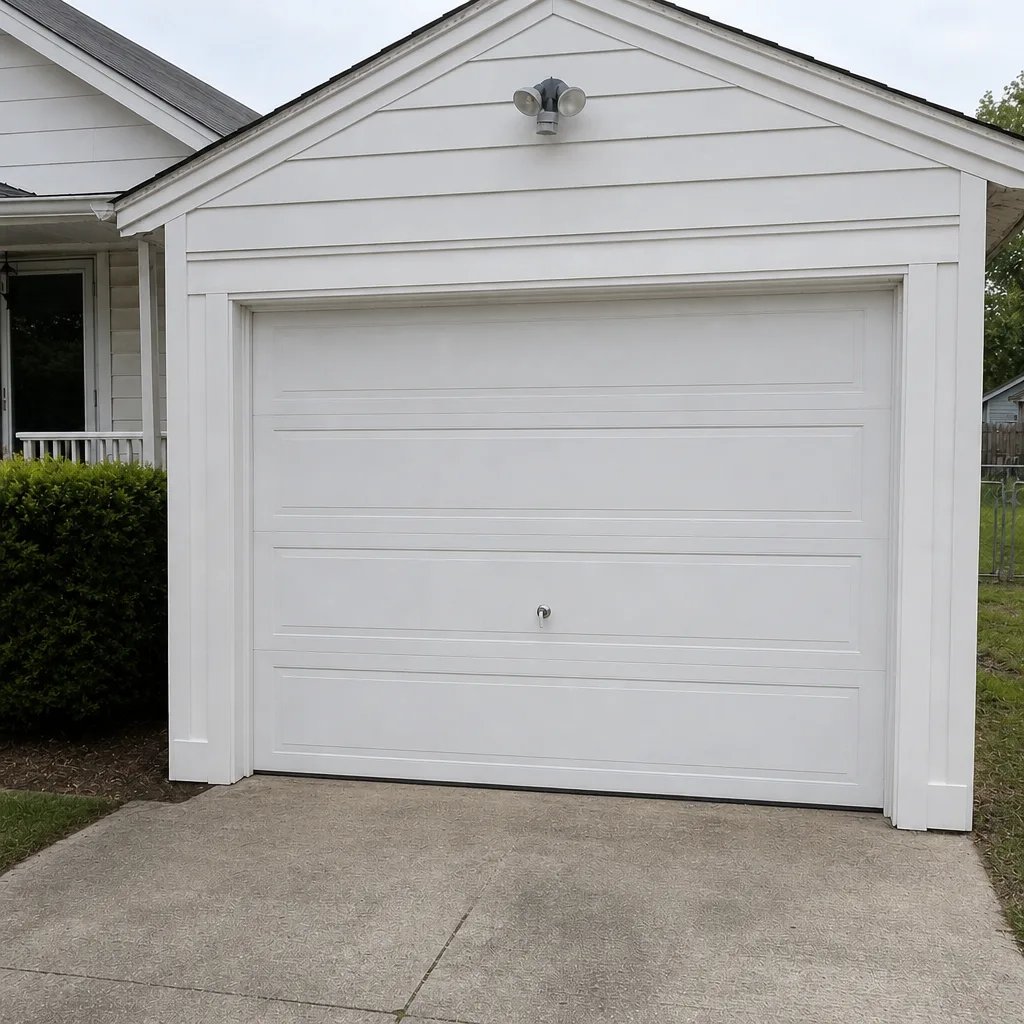
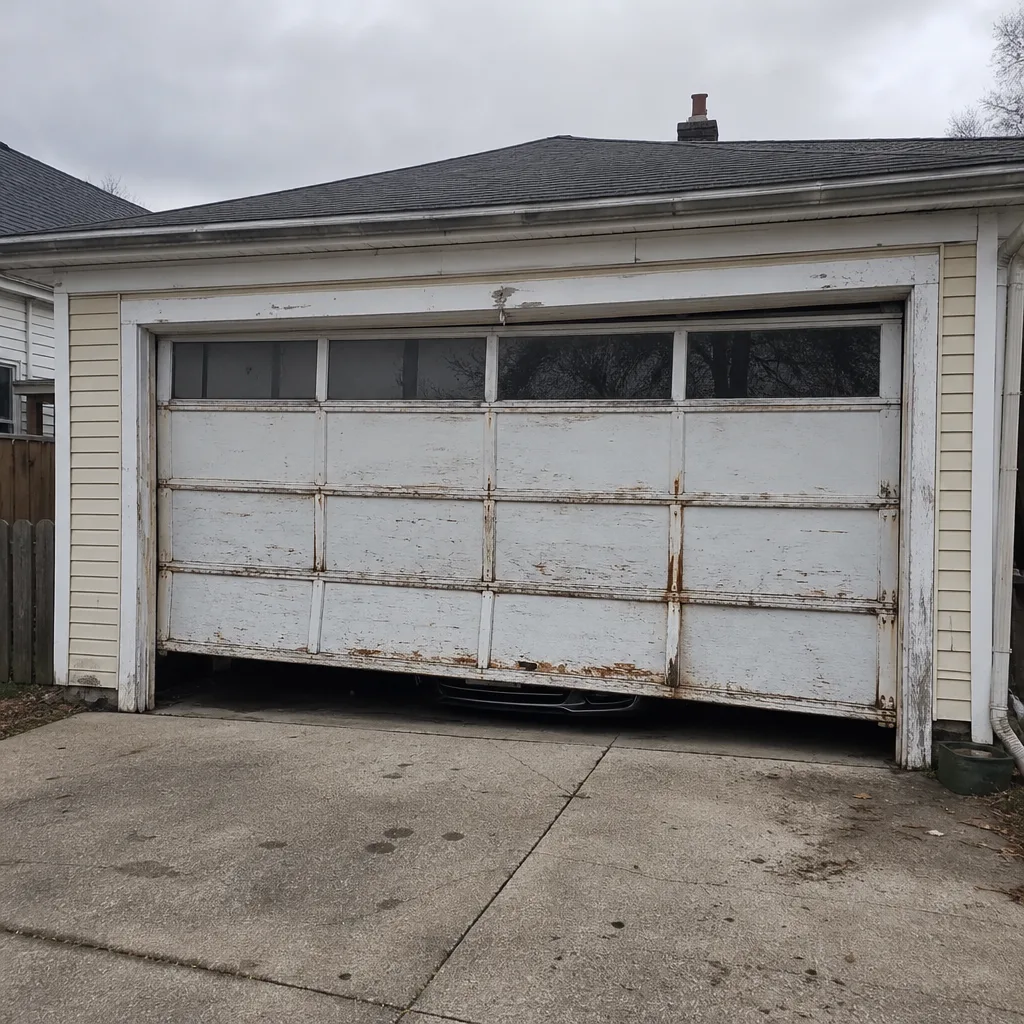
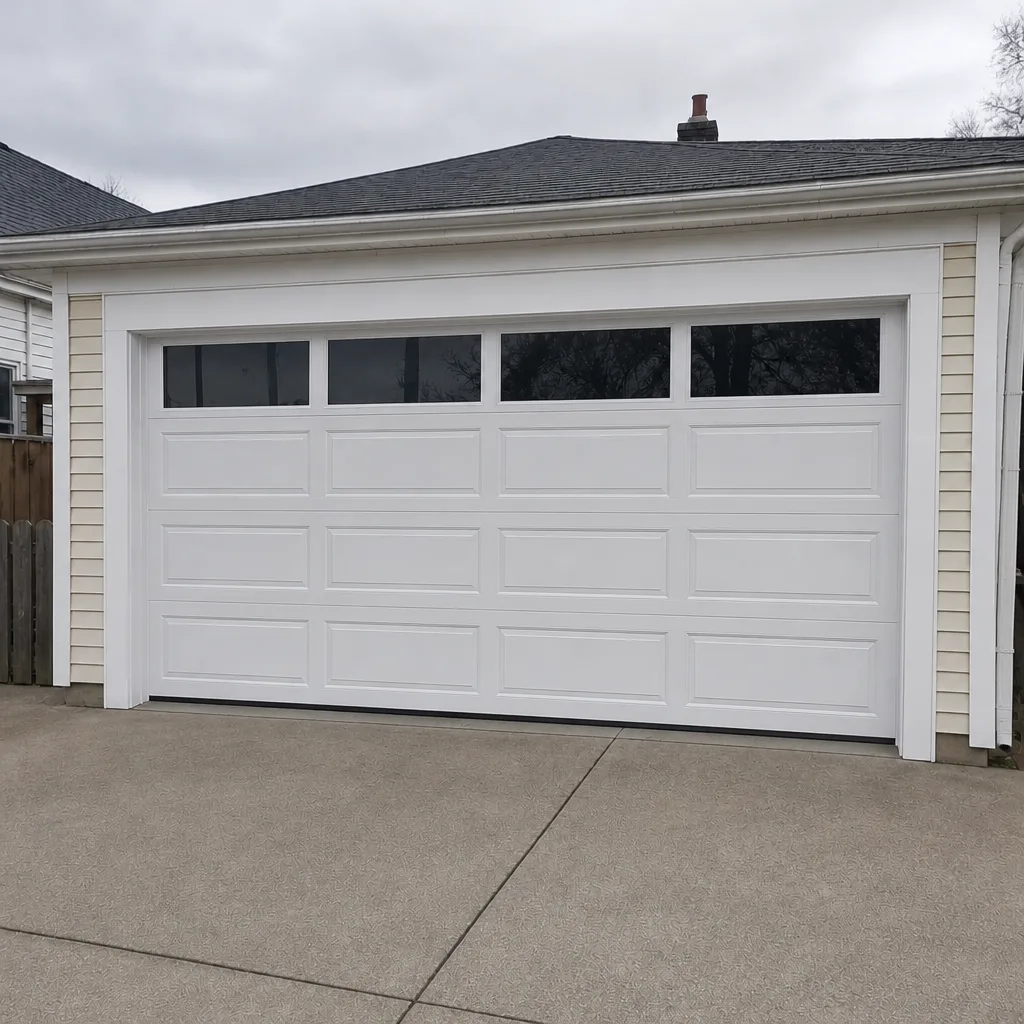
See the difference
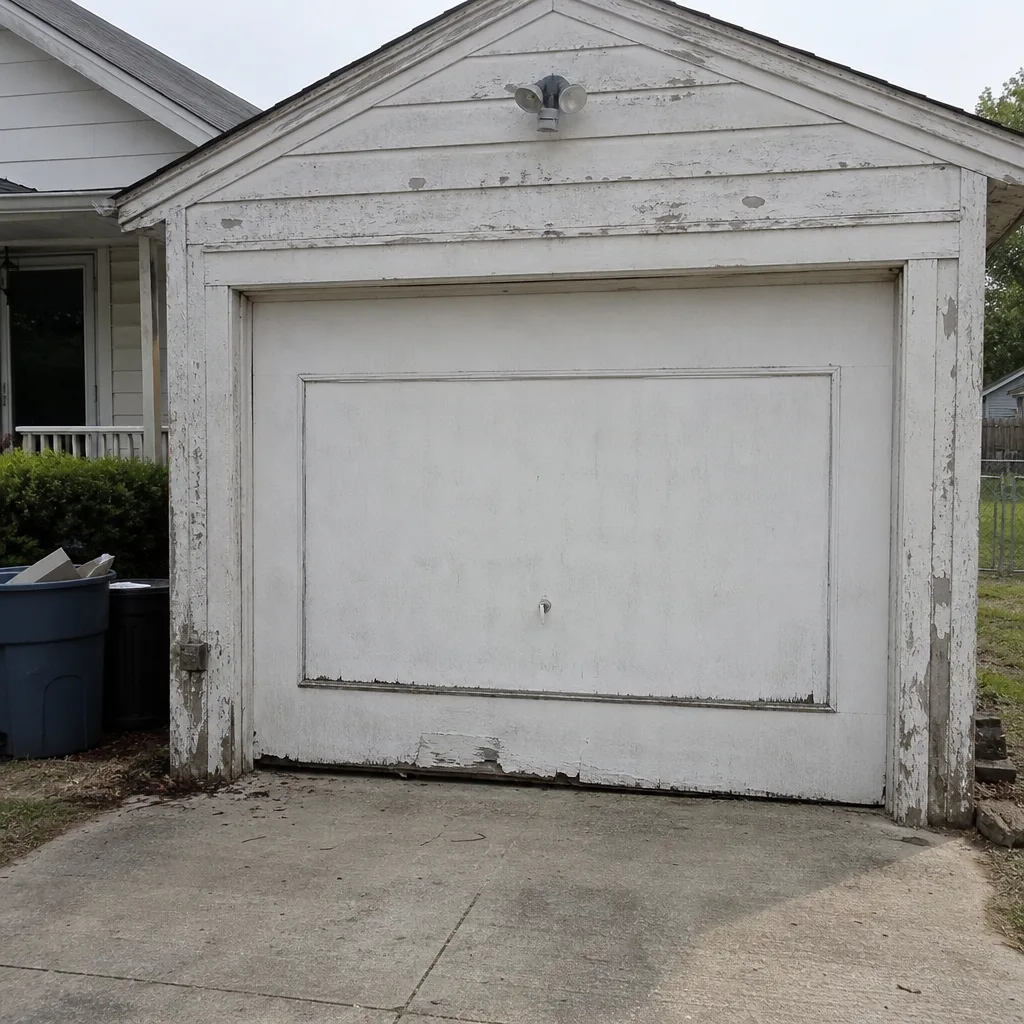 Before
 After
 Before
 After
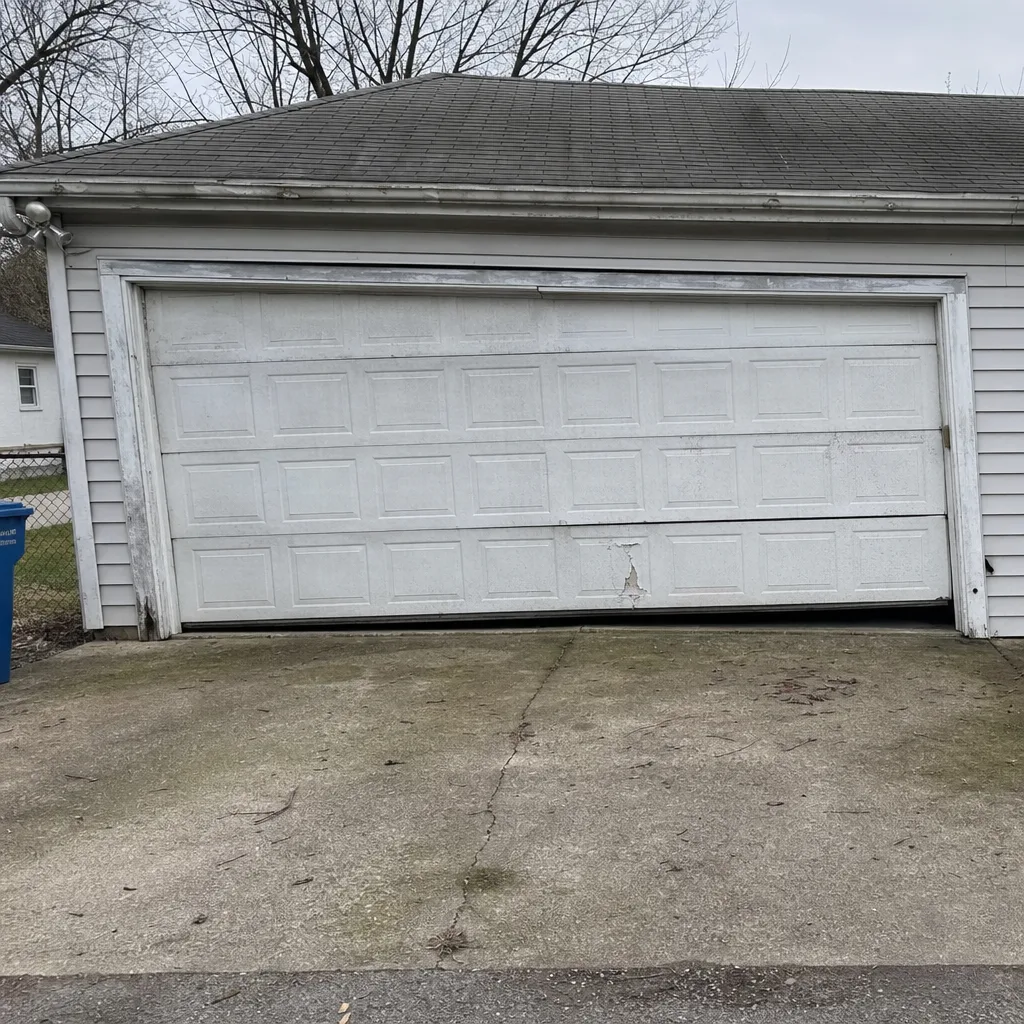 Before
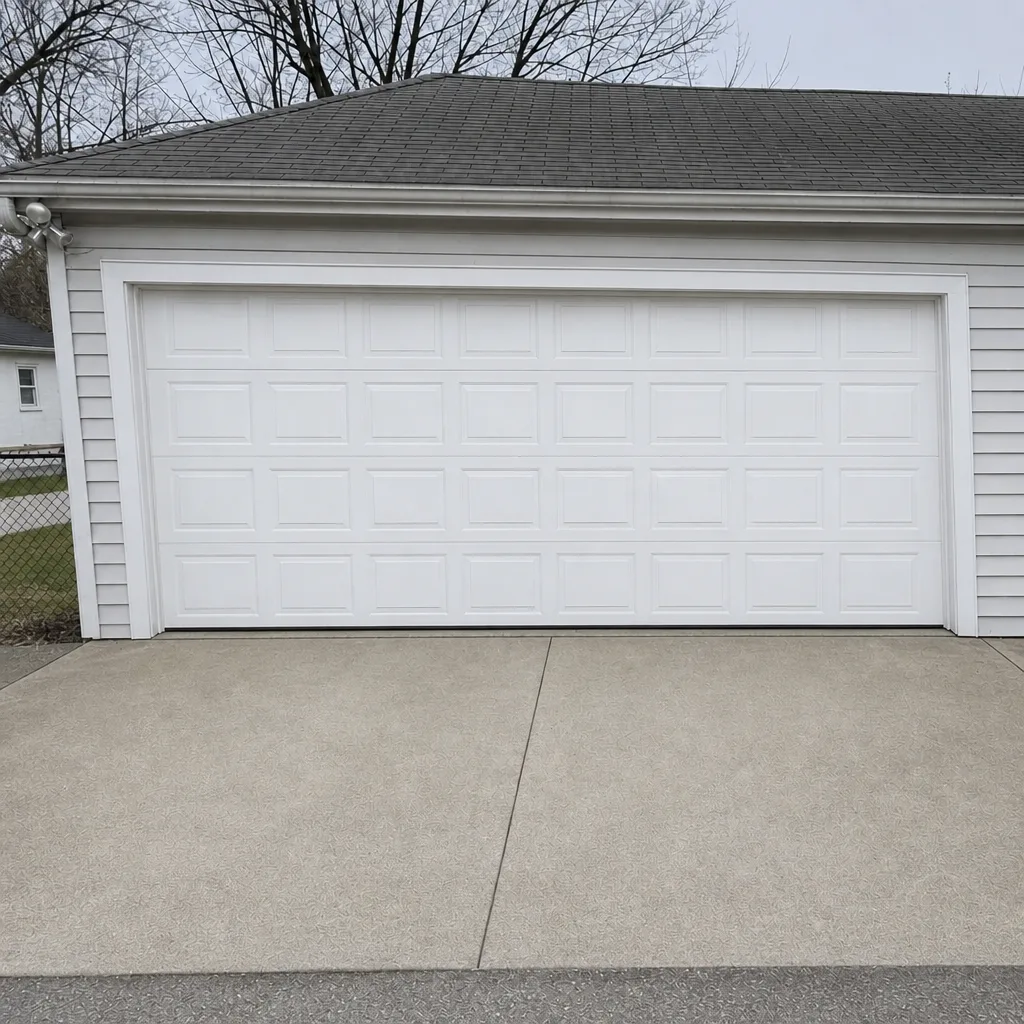 After
When to Call a Professional
Call a professional when the job involves spring or cable work, when the opener needs new wiring, when the opening has to change, or when you’re not sure whether a permit applies. Those are the four situations where the wrong call costs real money. We see a lot of Fountain Square garage door repair jobs where the door itself was fine and the actual problem was a spring that had lost tension, an opener that was undersized for the door, or wiring that never should have been there. Garage Door Repair Fountain Square offers free estimates in Fountain Square. Call (877) 335-6376 and we’ll look at the door and tell you what the job actually needs and where the permit question falls.
Frequently Asked Questions
Usually not, if the replacement is a like-for-like swap on an existing, undamaged opening with no structural or electrical changes. A permit is typically required when the job alters the opening size or header, adds a new electrical circuit for the opener, or touches the fire-separation wall between an attached garage and the house. When in doubt, call the City of Indianapolis Department of Business and Neighborhood Services and describe the job. Call (877) 335-6376 if you’d like us to look at the door first, so you know exactly what scope the permit question covers.
It depends on whether the job adds electrical work. An opener that plugs into an existing outlet is generally not an electrical permit job. An opener install that adds a new outlet, a new circuit, or a hardwired connection is electrical work and does need a permit pulled by a licensed electrician. Most fountain square garage door opener repair jobs are the first kind, but check before the opener goes up.
The sale can stall. An inspector or title search can flag unpermitted work, and the buyer’s lender may require it to be corrected before closing. The cost of correcting unpermitted work is usually higher than pulling the permit in the first place, because finished walls often have to be opened up to access the electrical or the framing. Call (877) 335-6376 for a pre-sale look at the door and opener.
Homeowners in Indiana can typically pull a permit for work on their own primary residence. The catch is that structural work and electrical work still need to be done by the relevant licensed trade and inspected on their own schedule. If the job is a door swap with no structural or electrical scope, the permit question usually doesn’t apply at all. For anything beyond that, a licensed contractor pulling the permit is the simpler path.
If the garage shares a wall or a ceiling assembly with the house, it’s attached, and fire separation applies. That’s the usual layout for the older homes in Fountain Square where the garage was added under the main roof. If the garage is a standalone structure set away from the house, the separating wall between garage and living space doesn’t exist, and the fire-separation question doesn’t apply. When in doubt, look for a shared wall or shared roof line, and ask the city if you’re planning work near it.
Repair the door if it’s sticking, unbalanced, noisy, or the spring has failed; those are visible issues at a buyer’s inspection. A repair that doesn’t involve structural or electrical scope usually doesn’t need a permit, but an existing unpermitted install can still come up, so it’s worth having the door and opener looked at before you list. Call (877) 335-6376 for a free estimate on the repair side, and we’ll tell you what’s worth fixing before a sale.
The Bottom Line
In Fountain Square, the garage door permit question comes down to scope, not brand. A like-for-like replacement is usually permit-free. Structural changes to the opening, new electrical work for the opener, and any work touching the fire-separation wall between an attached garage and the house are permit jobs, and they need to be inspected. Fixing unpermitted work after the fact costs more than doing it right the first time, and it can stall a sale. When the door itself is the issue, whether that’s springs, cables, opener, or a full replacement, our Garage Door Repair Fountain Square team handles the full scope and tells you where the permit line falls. Call (877) 335-6376 for a free estimate, and we’ll get the door and the paperwork right.
Written by the team at Garage Door Repair Fountain Square.