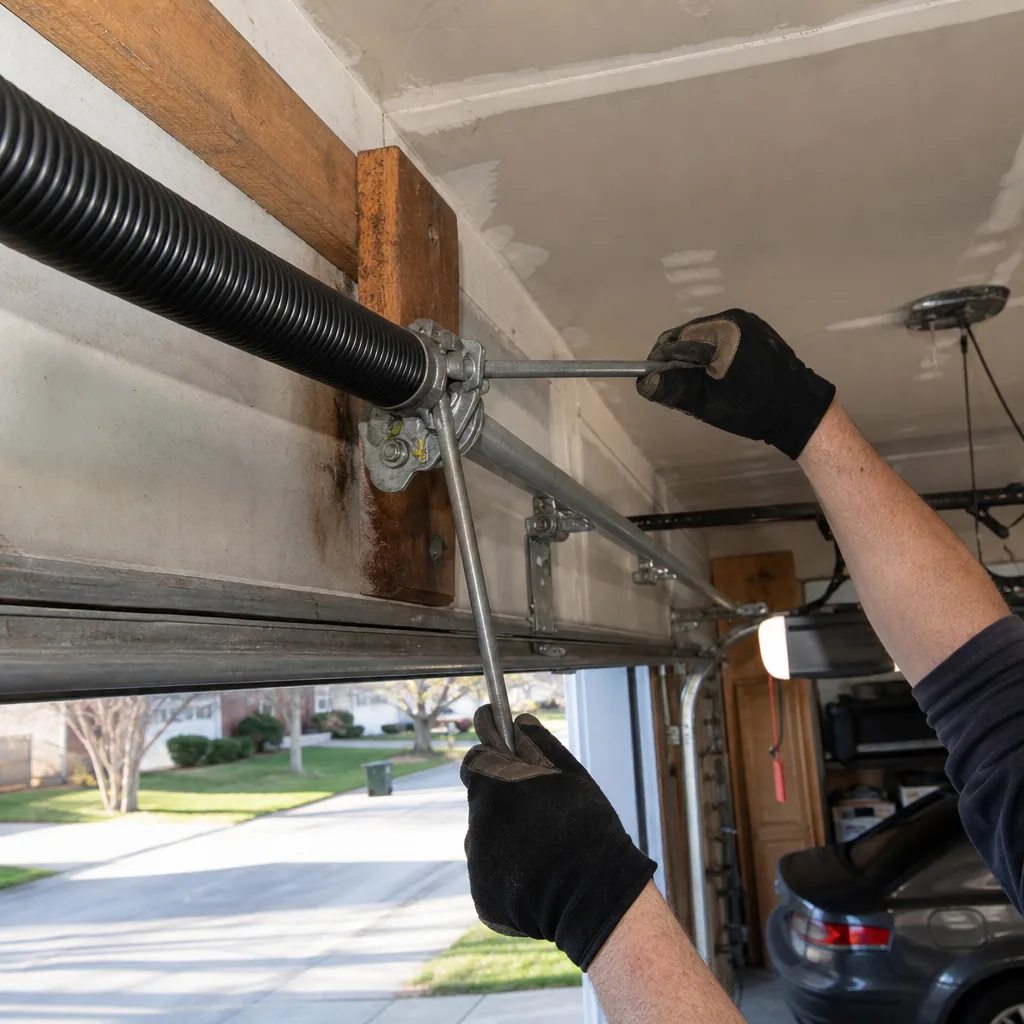
Last updated November 20, 2026
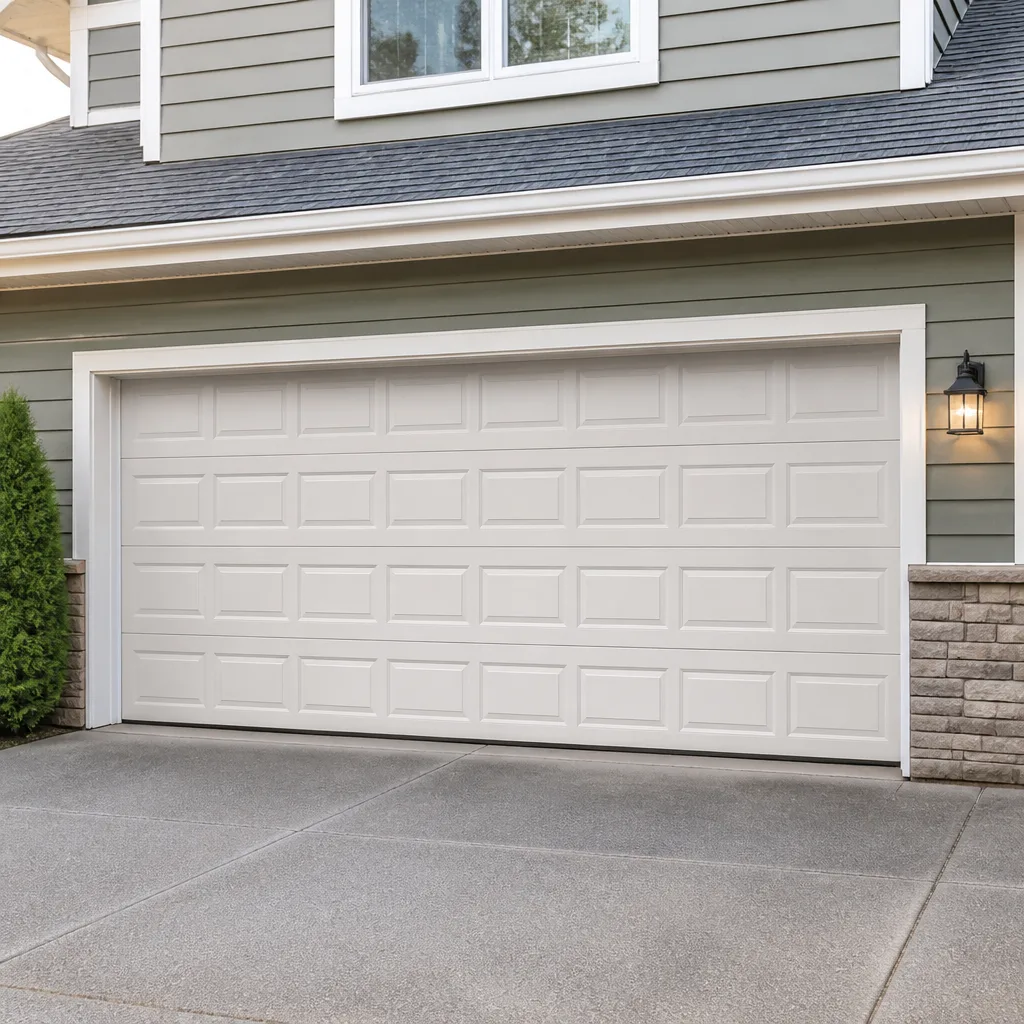 Raised-panel steel
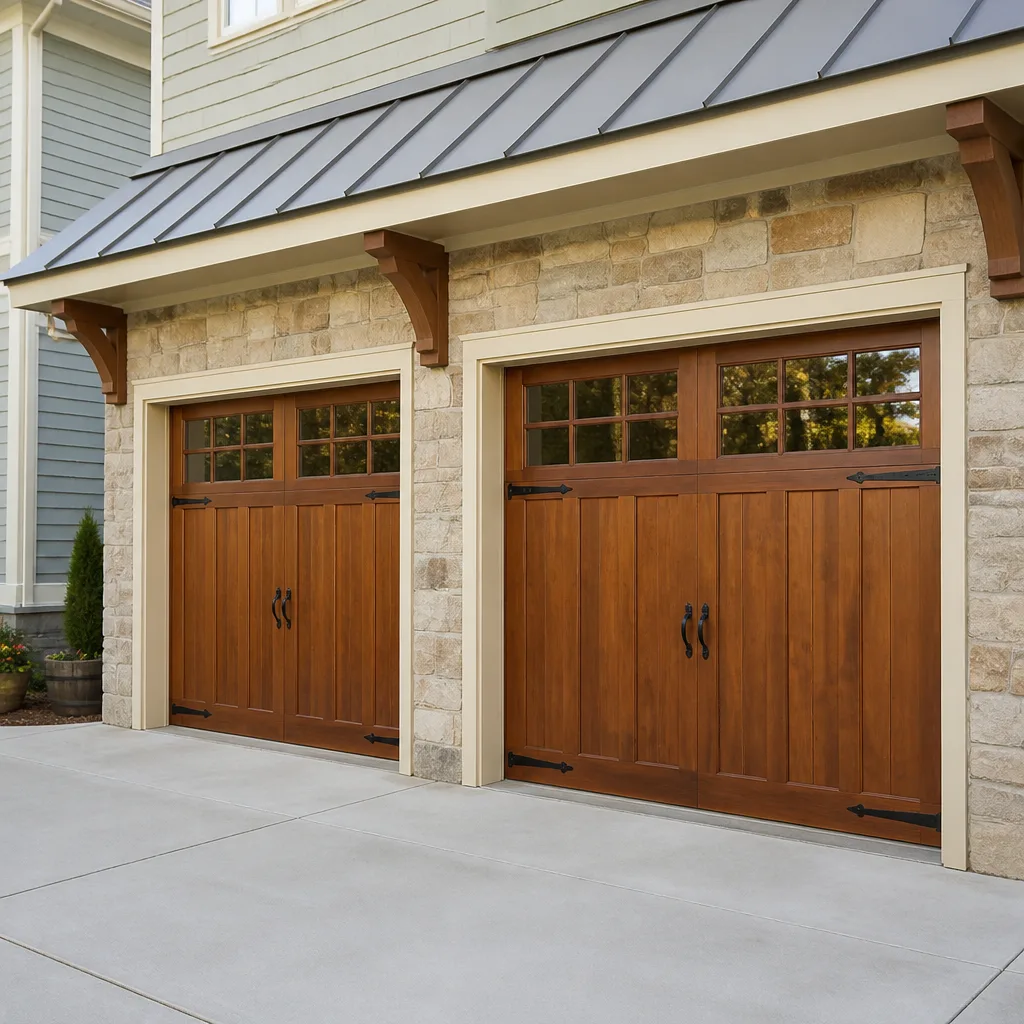 Carriage house
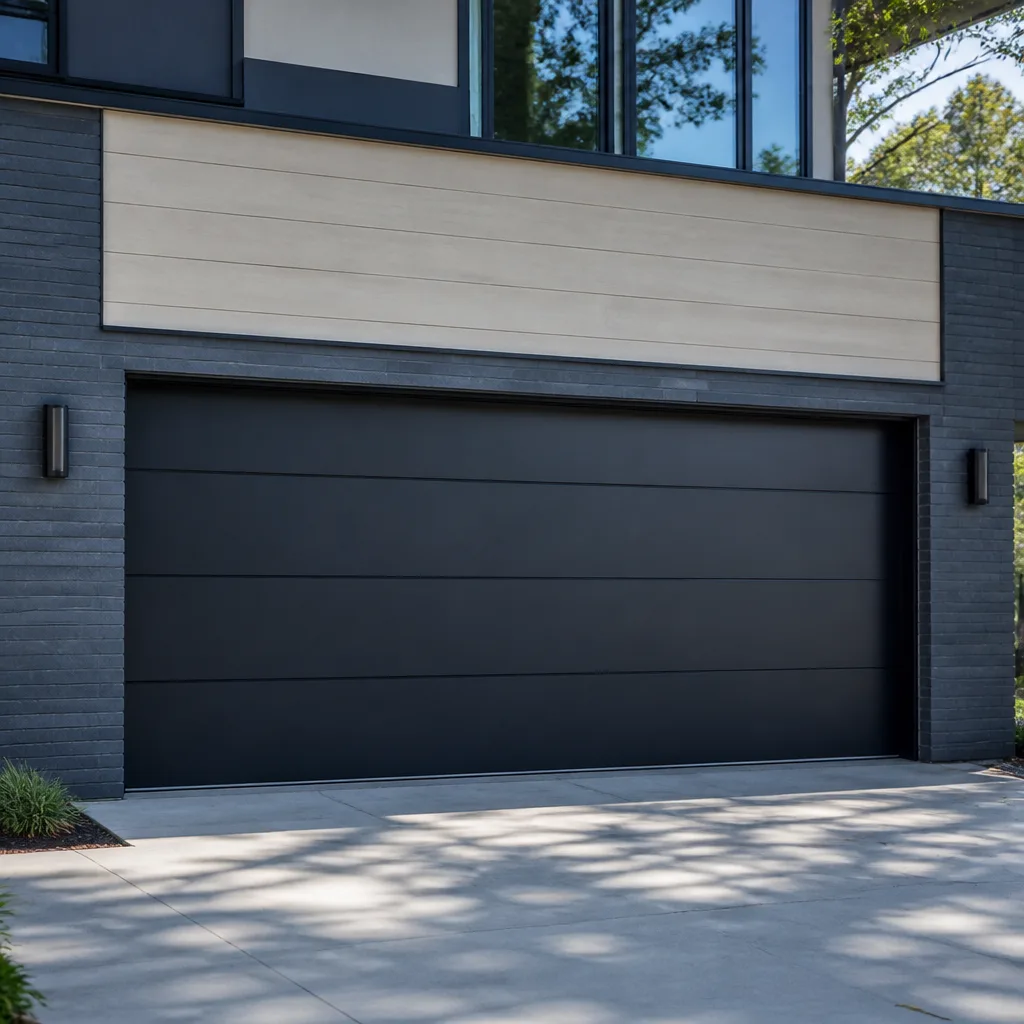 Modern flush
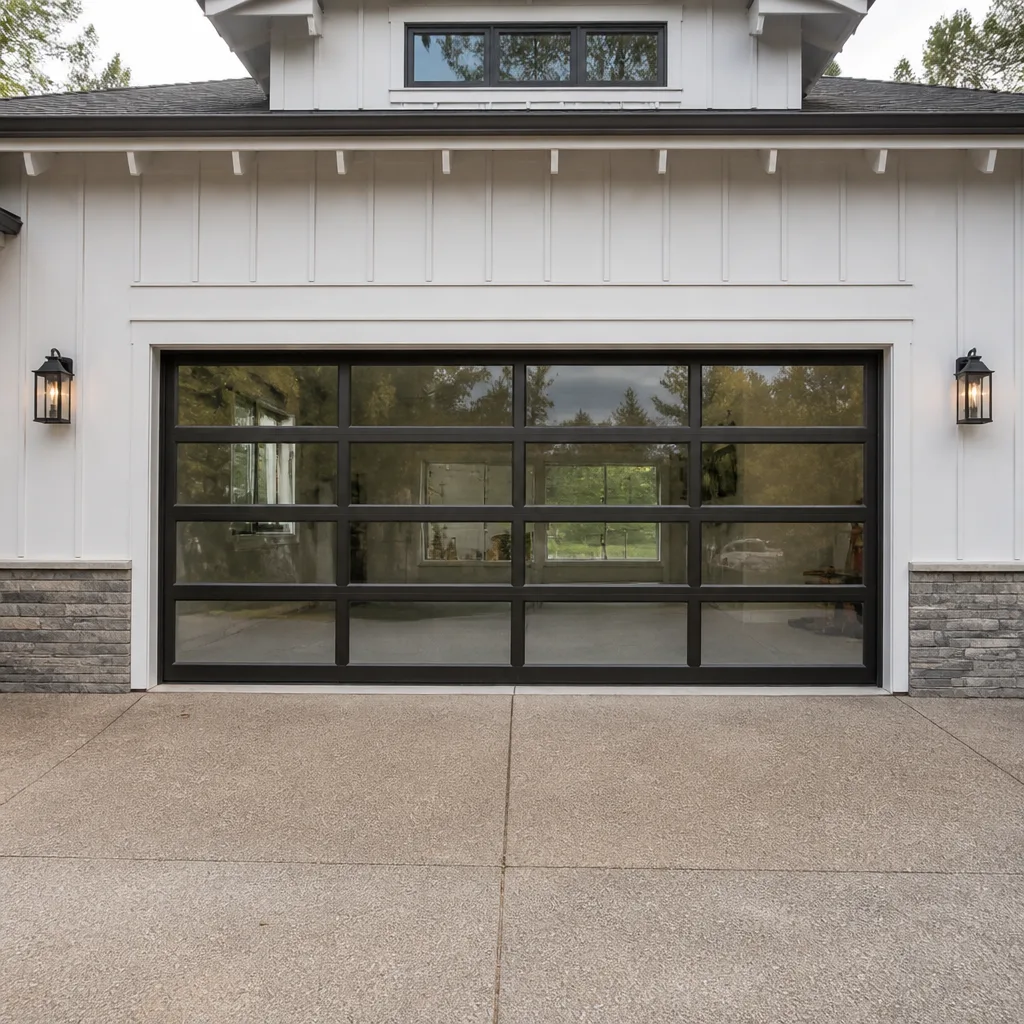 Full-view glass
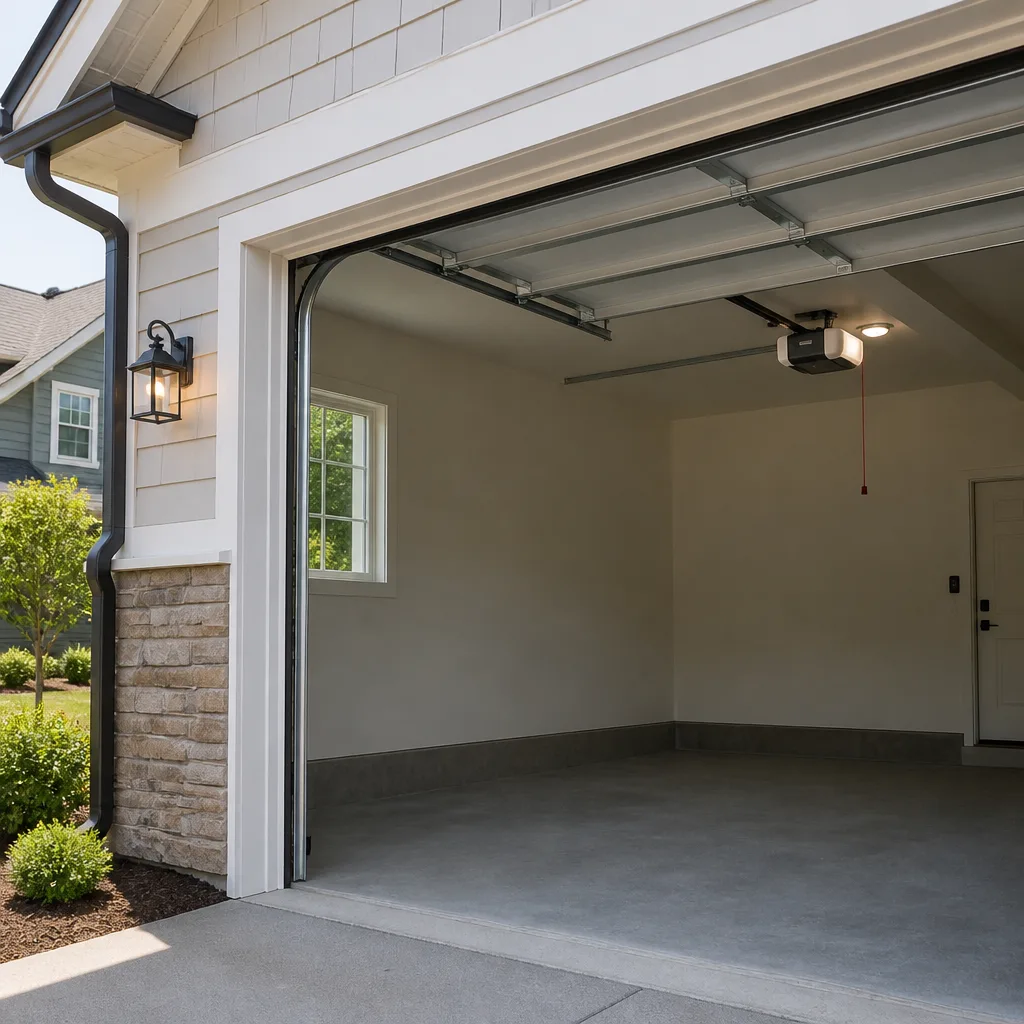 LiftMaster openers
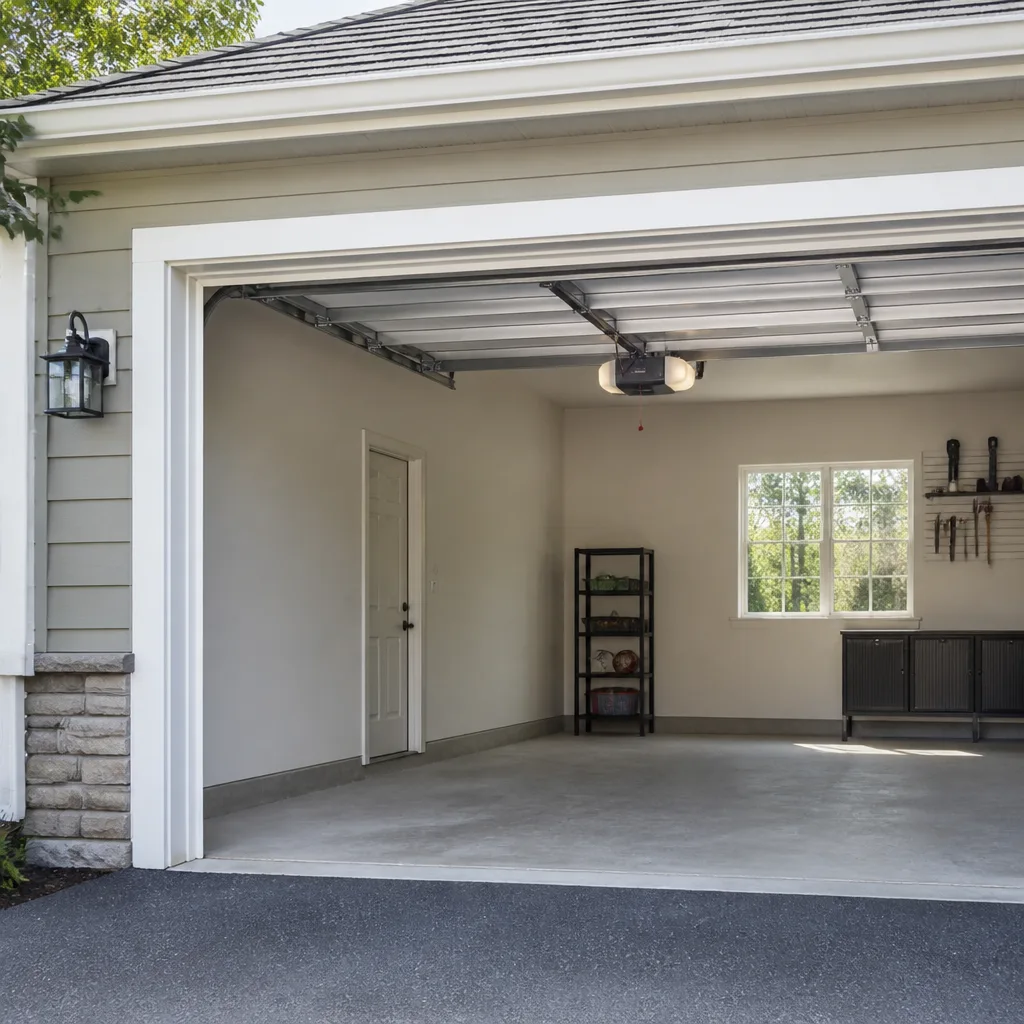 Chamberlain openers
Full 25-point door and opener safety check with every visit - springs, cables, rollers, tracks, and your LiftMaster or Chamberlain opener included
You get a price before we start. It does not change when the pro arrives.
Get your free estimateGarage Door Emergency Preparedness Guide for Fountain Square Homes
Most homeowners think a garage door emergency is about the door. It rarely is. In a dense urban neighborhood like Fountain Square, a failed spring or snapped cable is usually about the car you can’t get out of the garage, the driveway another resident is already blocked from, or the open bay that stays exposed while you wait for a technician. A torsion spring that lets go at 11 PM in a February ice storm leaves you one tool: the manual release. If you’ve never pulled it in daylight, doing it in the dark and cold turns a ninety-second job into a forty-five-minute ordeal. This guide is an operational plan, not a phone list. It covers release procedures by opener brand, how to secure an open door, what to do when a car is trapped, and the quarterly checks that keep your release working when it matters.
Quick Answer
Garage door emergency preparedness in Fountain Square comes down to four things: knowing where your manual release cord is and how it works on your specific opener, testing it quarterly, keeping the door in good repair so failures are rare, and knowing when a door is unsafe to touch. A door with a broken spring, a loose cable, or a bent track should stay closed and still until a trained technician arrives. Everything else, you can plan for in advance.
Styles & brands we work with
- Raised-panel steel
- Carriage house
- Modern flush
- Full-view glass
- LiftMaster openers
- Chamberlain openers
Table of Contents
- Why Garage Door Emergencies Hit Fountain Square Homes Differently
- How Do You Use the Manual Release on a LiftMaster, Chamberlain, Genie, or Craftsman Opener?
- How Do You Know If a Door Is Safe to Operate or Must Stay Closed?
- How Do You Secure an Open Door When a Spring or Cable Fails?
- What Do You Do When the Door Is Stuck Closed With a Car Inside and No Power?
- What Should You Check Every Quarter So the Release Works When You Need It?
- What Old-House and Weather Conditions Cause the Most Fountain Square Failures?
- When to Call a Professional
Why Garage Door Emergencies Hit Fountain Square Homes Differently
In the suburbs, a broken garage door is an inconvenience with space around it. In Fountain Square, the layout amplifies every failure. Lots are narrow, driveways are short or shared, and many homes have a single garage bay. That changes the math on every emergency.
When your only vehicle sits behind a door that won’t open, you have a real problem fast. A car needed for work, for a school run, or for a medical emergency doesn’t care that the spring snapped. On top of that, many Fountain Square garages are detached or alley-loaded. If your door fails open toward an alley, you’re exposing tools, bikes, and whatever else lives in the garage to the street until it’s fixed.
Older housing stock makes this sharper. A lot of the neighborhood’s garages were built decades ago, and the doors and openers have been swapped and patched over the years. That’s exactly why brand fluency matters. If your garage has a Wayne Dalton door with a Craftsman opener from an earlier upgrade, a generalist can’t diagnose it quickly. We work on your brand, which cuts the guesswork before we arrive.
Add Indiana weather into the picture. Winters bring freeze-thaw cycles that stress springs and lubricant, and summer humidity works on hinges and rollers. Neither is a reason to panic. Both are reasons to know your equipment before the night it fails.
That’s the Fountain Square reality: single-bay garages, narrow drives, detached structures, and a mix of old doors and newer openers. Preparedness here means planning for the constraint, not just the repair.
How Do You Use the Manual Release on a LiftMaster, Chamberlain, Genie, or Craftsman Opener?
The manual release disconnects the door from the opener so you can lift it by hand. All four of the most common opener brands in Fountain Square homes have one, but how you reach it and what it looks like varies. Knowing yours before an emergency is the whole point.
Step-by-Step Manual Release Procedure
- Make sure no one is under the door. Before you pull anything, confirm the area beneath the door is clear. Don’t stand directly under it while it moves.
- Locate the release cord or handle. It hangs from the trolley on the opener rail. On LiftMaster and Chamberlain units, it’s usually a red handle on a cord. Genie and Craftsman openers typically have the same setup, though the handle shape and cord length differ.
- Pull straight down and toward the door. A firm, steady pull releases the trolley from the carriage. You should hear and feel a distinct click.
- Lift the door slowly by hand. Get a solid grip at the bottom center or use the lift handle. The door should move smoothly. If it feels heavy, binding, or won’t stay up, stop. That’s a spring or balance problem, not a release problem.
- Reconnect when power returns. Push the trolley back toward the opener until it clicks into the carriage, then test the opener with the wall button, not the remote.
Brand Differences That Slow People Down at Night
- LiftMaster and Chamberlain: The most common in the neighborhood. If your unit has a smart-home setup, the release cord is sometimes shorter or routed near a belt drive, which is easier to find once you’ve looked once.
- Craftsman: Frequently paired with older doors. The trolley design is simple but the cord can be stiff from age. Test the pull.
- Genie: The release handle sits on a screw-drive or belt rail. Reconnecting can take a firm push to seat the trolley.
- Raynor: Often installed with newer doors. The release is standard, but the door’s weight and balance matter more to the hand-lift step.
If the door won’t stay up after release, do not force it. It’s a hands-off situation until a technician checks the spring. For any of these, our team handles garage door opener repair across all four brands, so the diagnosis is accurate the first time.
How Do You Know If a Door Is Safe to Operate or Must Stay Closed?
Some failures let you operate the door temporarily. Others are a hard stop. The difference usually comes down to spring integrity and cable tension. A spring or cable that lets go stores tremendous force, and it’s the most dangerous part of the system. Springs and cables are not a do-it-yourself repair, and a trained professional should handle them.
Safe to Operate Temporarily (With Caution)
- A door that opens and closes smoothly without a spring or cable failure.
- An opener that won’t respond but the door balances by hand when released.
- A remote or wall button that quits while the door’s mechanical balance is intact.
Must Stay Closed Until a Technician Arrives
- A snapped or visibly stretched torsion spring. You’ll often hear a loud bang when this happens.
- A cable hanging loose, off a drum, or visibly frayed.
- A door that hangs crooked, binds, or drops when lifted halfway.
- A bent track, a bent panel, or a door that’s come off its rollers.
- Any door that moves with a sudden slam or won’t hold its position.
If your door is in the second group, keep it closed and don’t run the opener. Springs and cables are where the danger lives. One of the services we perform is spring repair done safely, and it’s one many handymen avoid for exactly that reason. We’d rather tell you to leave a door still for a few hours than see someone get hurt trying to force it.
How Do You Secure an Open Door When a Spring or Cable Fails?
When a spring or cable fails halfway, the door may stop open. That’s a security problem in Fountain Square, especially for detached or alley-facing garages. You want it closed, but you don’t want to force a broken door. Here’s a practical sequence.
- Keep everyone clear of the moving parts. Don’t stand under a door that’s not fully supported.
- Do not pull, pry, or lift the door by hand if a spring or cable has failed. The door can drop without warning.
- Disconnect the opener at the wall so no one accidentally triggers it. Unplug the unit if you can reach the cord safely, so a remote in someone’s pocket doesn’t fire it.
- Secure valuables and move what you can reach out of the garage. If the structure is open to an alley, take the obvious steps.
- Lower the door manually only if it’s balanced and moves normally. A door with a failed spring is typically too heavy to lower by hand safely, so leave it and call.
- Call a technician for the repair. A failed spring or cable is a same-visit fix when the right parts are on hand, which is why we carry them.
If you can’t move items out and the garage faces the street, a temporary board across the opening is usually the safest short-term answer. It isn’t pretty, but it’s better than a bay left wide open. Our team can help you assess the door before you decide how far to go.
What Do You Do When the Door Is Stuck Closed With a Car Inside and No Power?
No power is the most manageable emergency on this list, as long as your release works. The door isn’t broken. It’s just disconnected from its motor. Follow these steps.
- Confirm the opener has no power. Check the wall outlet and the circuit breaker. If a breaker tripped, resetting it may solve everything.
- Use the manual release. Pull the release cord to disconnect the door from the opener.
- Lift the door by hand. If it’s balanced, it should lift with reasonable effort and stay up. Use a lift handle or the bottom center of the door.
- Prop or hold the door open safely, then move the car. Don’t leave the door open unattended for long. Once the car is out, lower it carefully.
- Reconnect when power is back and test. Push the trolley into the carriage and test with the wall button.
- If the door won’t stay up, don’t force it. That points to a spring or balance problem, and it should stay closed until checked.
This is why the quarterly check matters. A release that’s never been pulled can seize from disuse. Test it in daylight, so the night you need it, it works. For anything that doesn’t feel right, we handle garage door repair throughout Fountain Square, and a quick call can sort out whether you’re dealing with an opener issue or a mechanical one.
What Should You Check Every Quarter So the Release Works When You Need It?
A ten-minute check four times a year prevents most of the emergencies we get called for. None of it is technical. You’re confirming the release is functional and the door is balanced. You’re not repairing anything.
Quarterly Pre-Emergency Checklist
- Pull the manual release once, in daylight. Confirm it clicks free and you can re-engage it smoothly. If it sticks, have it looked at.
- Look at the springs. A torsion spring above the door or extension springs along the track should show no gaps, rust-through, or stretching.
- Watch the cables. They should be taut and seated on the drums, not frayed or hanging.
- Test the auto-reverse. Put a small object in the door’s path and confirm it reverses. This is a safety feature you rely on daily.
- Listen to the door. A grind, squeal, or rattle that wasn’t there before is a warning, not normal.
- Check the balance. Release the door and lift it halfway. It should hold. If it drifts down, springs are suspect.
- Wipe and inspect the release cord. Make sure it isn’t tangled in the rail or shortened by a knot.
- Test the wall button and remote. Confirm both work and that your smart-home app connects if you have one.
If any of these fail, that’s your signal to schedule a check before something worse happens. A quarterly habit turns emergencies into appointments. That’s a big reason we supply parts directly: when someone calls with a failing opener or a worn release, the same-visit fix is more likely.
What Old-House and Weather Conditions Cause the Most Fountain Square Failures?
The failures we see in Fountain Square tend to cluster around the housing stock and Indiana weather. Neither is unique to you, but the combination is what shapes the repair calendar here. Recognizing the warning signs helps you plan instead of react.
- Freeze-thaw cycles: Indiana winters swing above and below freezing, and that works on springs and lubricated parts. Doors that ran quietly in October can start groaning in January. Cold stiffens grease and stresses springs that were near the end of their life.
- Humidity and rust: Summer humidity works on hinges, rollers, and cable strands. Light rust isn’t a crisis, but it’s a warning. A quarterly wipe and lube goes a long way.
- Aging doors and openers: A lot of homes here have doors that were installed years ago and updated piecemeal. A Raynor door with a newer LiftMaster opener is a common pairing, and mismatched hardware causes balance issues.
- Detached and alley-loaded garages: These tend to get less attention than attached garages because you don’t walk through them daily. A door that hasn’t been used much can fail on the first heavy-use week.
- Rot and framing: Older garage framing can shift slightly, knocking tracks out of alignment. A door that scrapes on one side is usually signaling that.
None of this means every old door is a risk. It means knowing your door’s age and brand helps you anticipate the failure before it strands a car. If you need a full replacement, our team handles garage door installation from start to finish, so you’re not bouncing from one contractor to another.
Common Mistakes to Avoid
- Pulling the manual release under load. If the door is stuck and the spring is under tension, yanking the release can drop the door. Check that no one is under it and that the door is supported first.
- Trying to repair a spring or cable yourself. These are the most dangerous parts of a garage door. A trained technician is the right call, and we treat spring repair with the respect it deserves.
- Forcing a door that binds or hangs crooked. Running the opener on a bent track or off-roller door bends panels and can cost far more to fix later.
- Leaving the release cord tangled or shortened. In Fountain Square’s older garages, cords get snagged on shelving or tied in knots. If it isn’t hanging free, it won’t work at night.
- Ignoring the auto-reverse test. Skipping it quarterly is the most common gap we come across. A door that doesn’t reverse is a safety issue, not a minor annoyance.
- Leaving a dead opener plugged in during an emergency. A remote pressed by accident, or a child playing with the button, can trigger a door on a failed spring, so disconnect it.
- Calling a general handyman for spring work. Not every generalist will take on spring repair. It’s a specialized service, and calling a garage door specialist first saves time.
See the difference
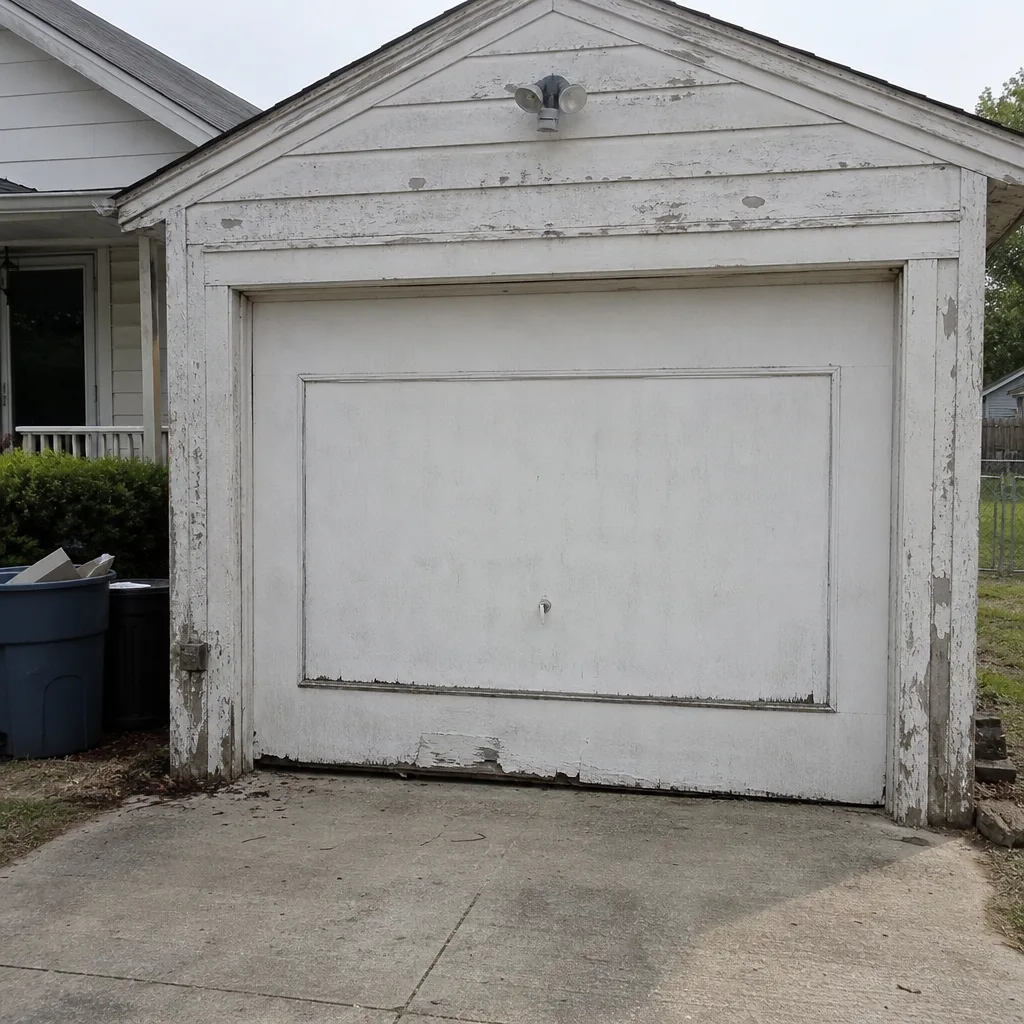 Before
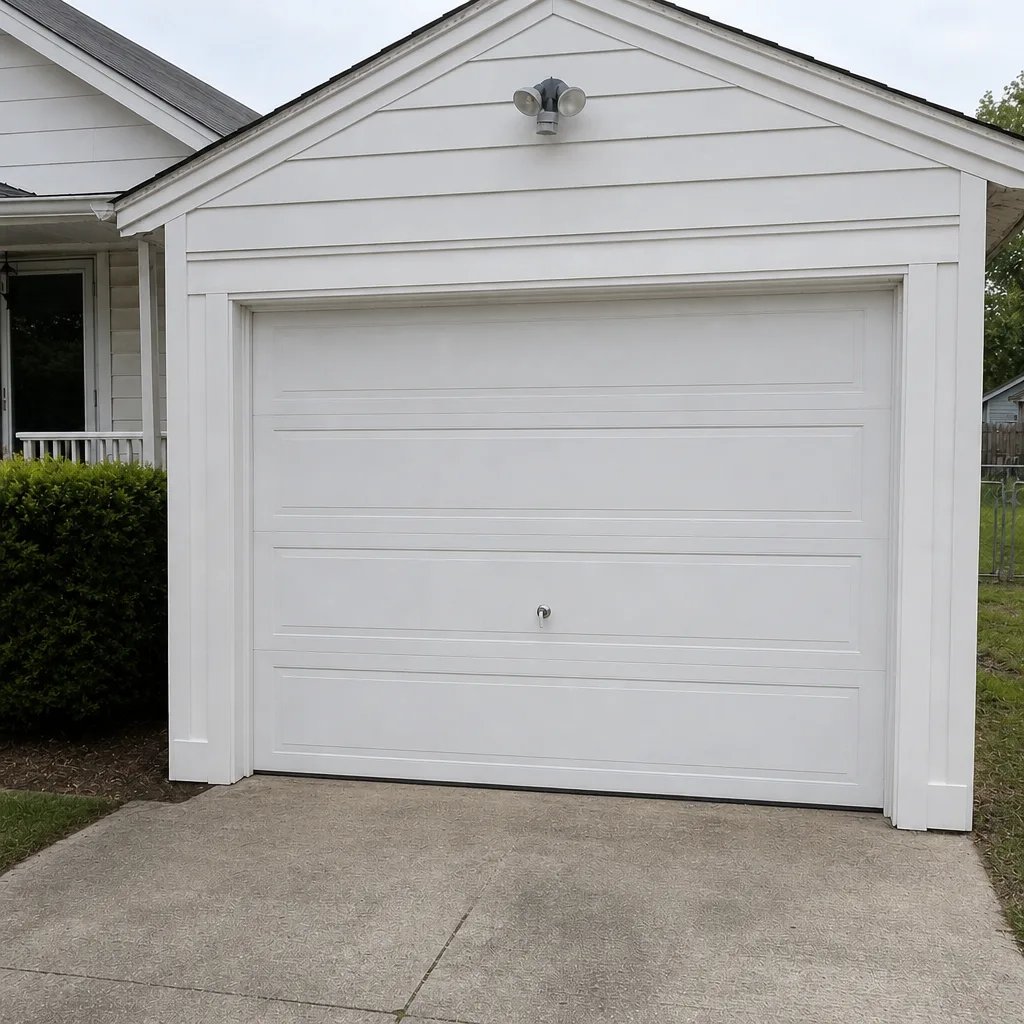 After
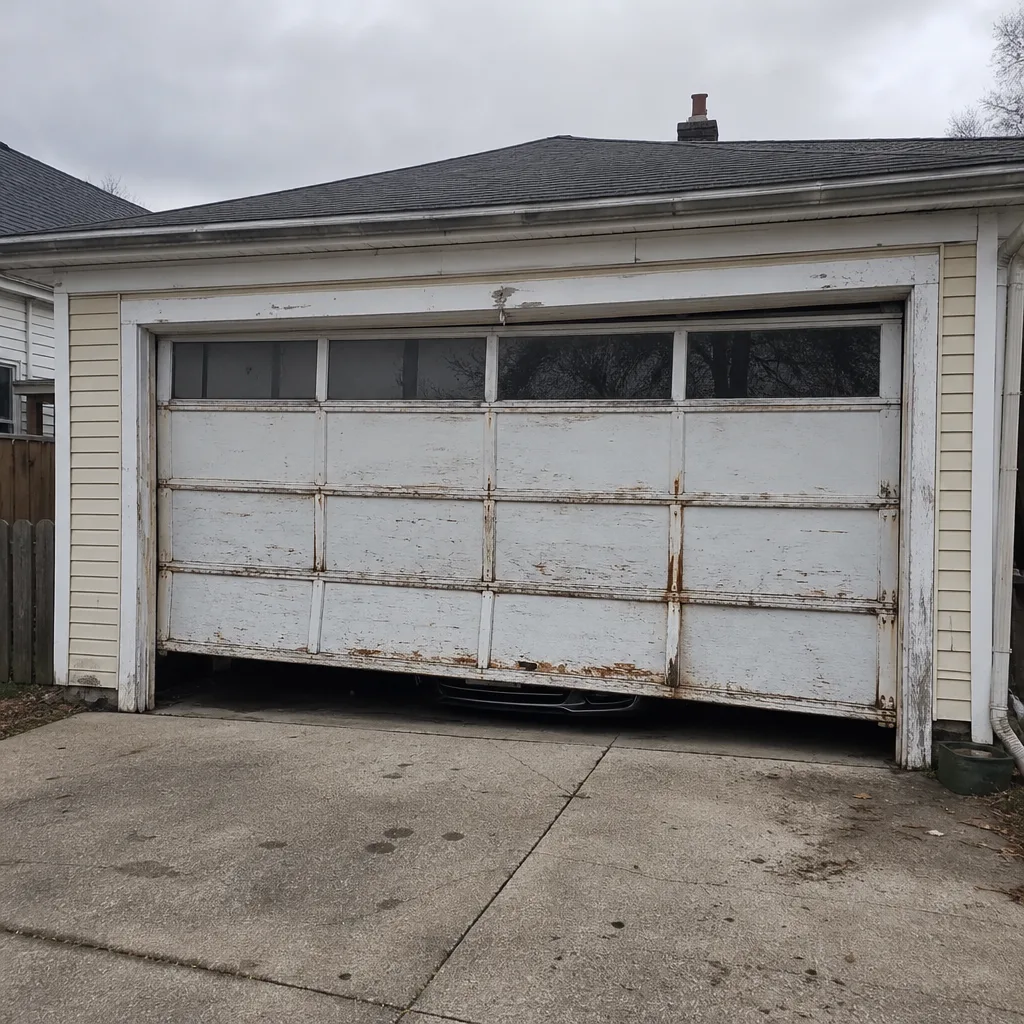 Before
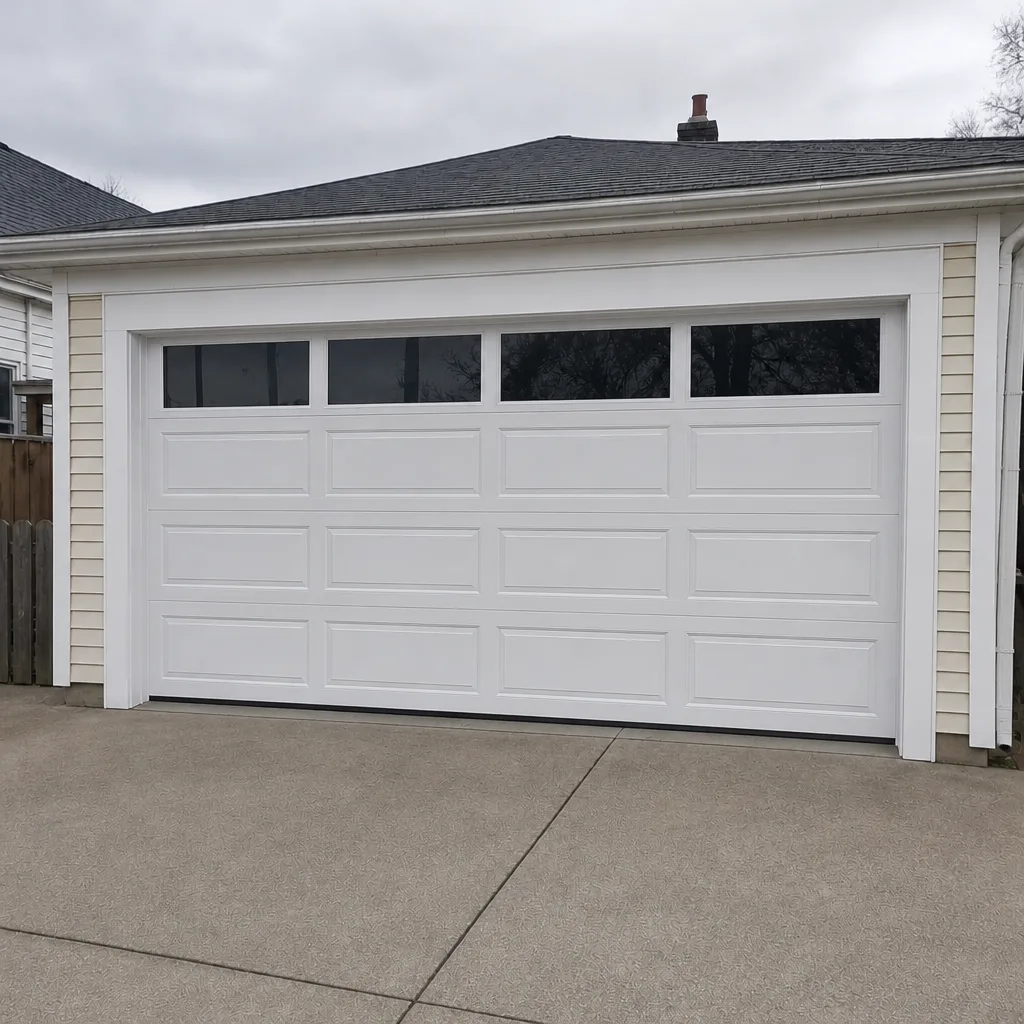 After
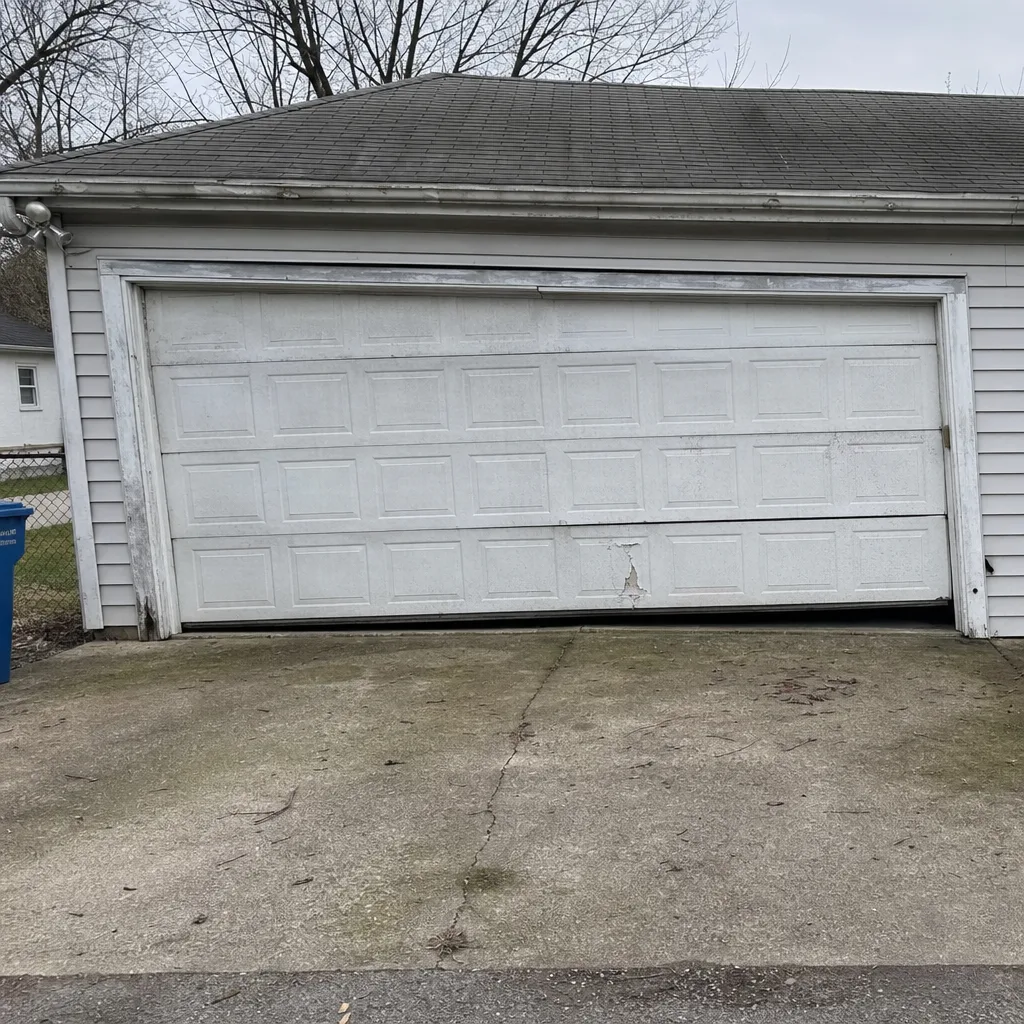 Before
 After
When to Call a Professional
Call a technician when a spring has snapped, a cable is loose or frayed, the door hangs crooked, or the door won’t hold halfway. These are the situations where forcing the door is more dangerous than waiting. Call us too when the door is stuck open and you can’t secure it, or when a car is trapped and the release won’t seat. And schedule a visit for a release that won’t operate, an opener that won’t respond after a breaker reset, or a door that’s started to grind or rattle. Our technicians have up to 12 years of experience, we carry parts so the fix is often the same visit, and we work across all the major brands. If your door runs on LiftMaster, Chamberlain, Genie, Craftsman, Wayne Dalton, Raynor, Clopay, or Amarr hardware, we’re already familiar with it. Garage Door Repair Fountain Square offers free estimates in Fountain Square. Call (877) 335-6376. It’s one call that covers the diagnosis, the repair, and the follow-up if you need a new door.
Frequently Asked Questions
The fastest way is to look for the label on the opener’s motor housing, which names the brand and model. LiftMaster and Chamberlain labels are usually on the back or underside of the unit, and Genie and Craftsman list theirs the same way. If the label is worn, the wall button and remote design can also point you to the brand. Take a photo before you call, so you get the right diagnosis the first time.
No. A door with a broken spring should stay closed and still until a technician checks it. The spring is the counterbalance, and without it the door’s full weight is held by the opener and cables, which can fail suddenly. Don’t run the opener, don’t force the door by hand, and call for spring repair done safely. This is the most dangerous failure in the whole system.
Yes, in most cases. Same-day service is available and our technicians carry parts so the fix happens on the same visit whenever the failure is mechanical or opener-related. Spring and cable repairs are common same-day jobs. Call (877) 335-6376 and we’ll help you figure out what’s wrong before anyone gets there. Estimates are free, and the price is quoted before any work begins.
Spring repair is typically $180 to $340 per spring, and most doors use a matched pair that’s usually replaced together, so a pair costs about twice that. The written estimate sets the final price, and we quote before work starts, so there are no surprises. For an exact quote on your door and opener, call (877) 335-6376. Estimates are free.
Not always. If the door is mechanically sound, use the manual release, lift the door by hand, and move the car. The door should move smoothly and stay up. If it feels heavy, won’t stay up, or binds, stop and call a technician instead, because that points to a spring or balance problem. The release procedure is the key skill here, and it’s worth practicing once in daylight.
Test it every quarter, at minimum. Pull it once in daylight to confirm it clicks free and re-engages, then check that the cord hangs free of shelving and doesn’t snag. In Fountain Square’s older garages, releases often sit unused for years and seize up. A ten-minute test four times a year is the cheapest insurance against a night-time failure.
The Bottom Line
Garage door emergencies in Fountain Square are operational problems, not just mechanical ones. A stuck door traps a car, exposes an alley-facing garage, or blocks your only exit in bad weather. The fix is planning: learn your manual release, follow it by brand, know the difference between a safe door and one that must stay closed, and run the quarterly checklist so the release works when you need it. Springs and cables get a professional. Everything else, you can handle with a plan and the right phone number: (877) 335-6376.
Written by the team at Garage Door Repair Fountain Square.