Last updated November 20, 2026
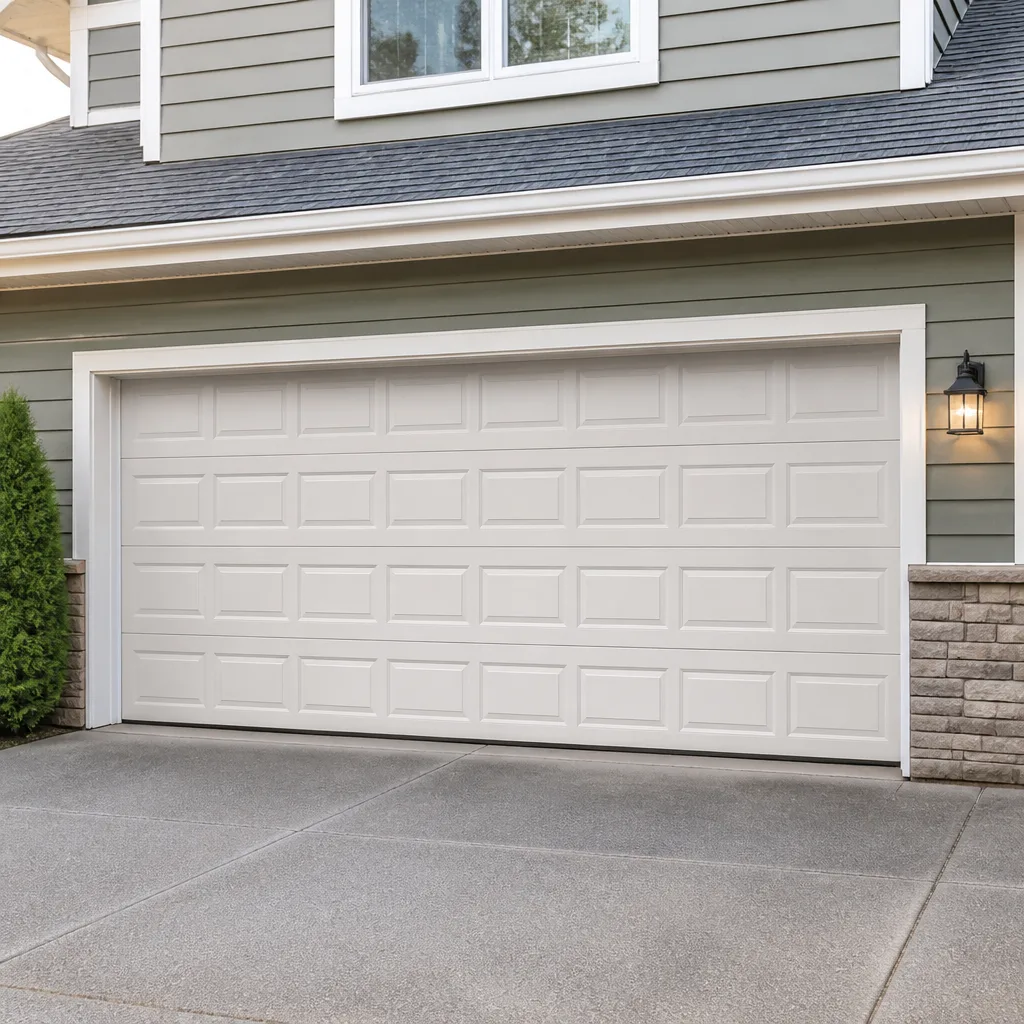 Raised-panel steel
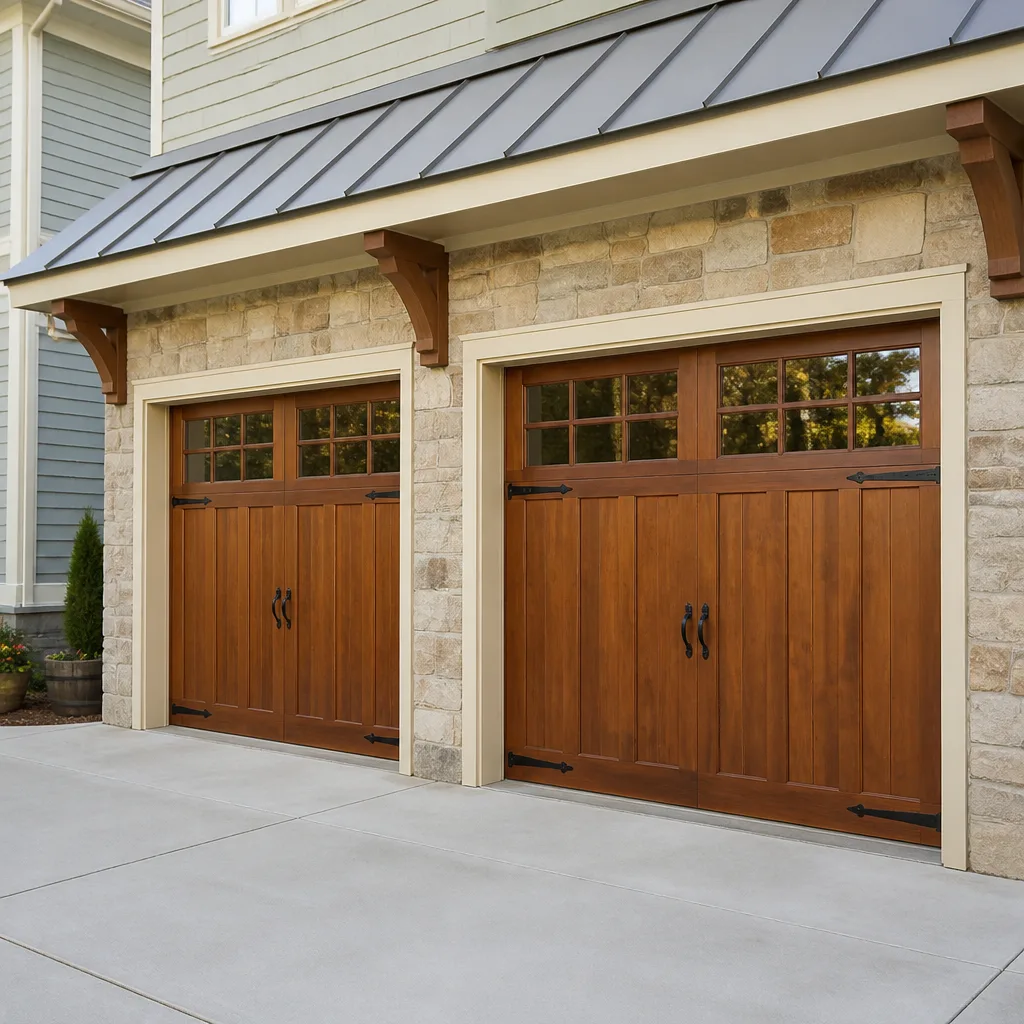 Carriage house
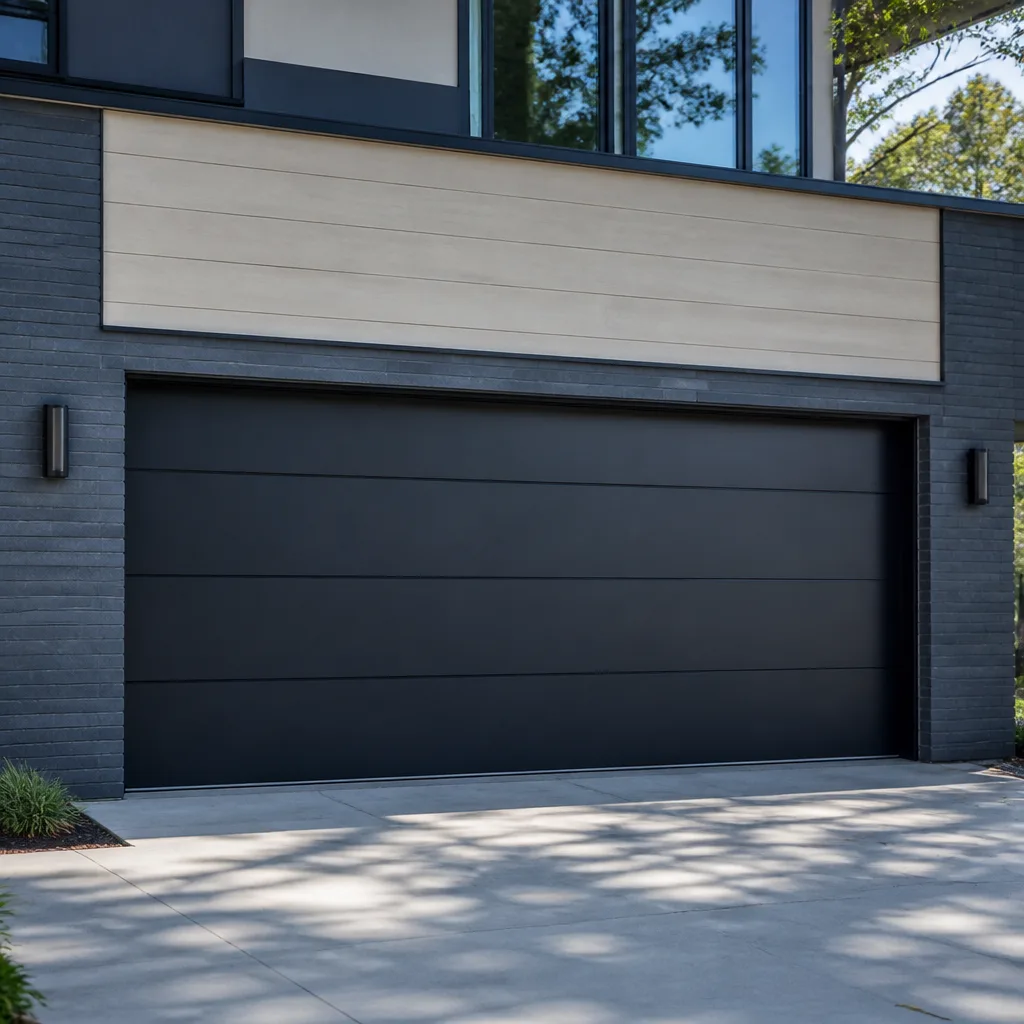 Modern flush
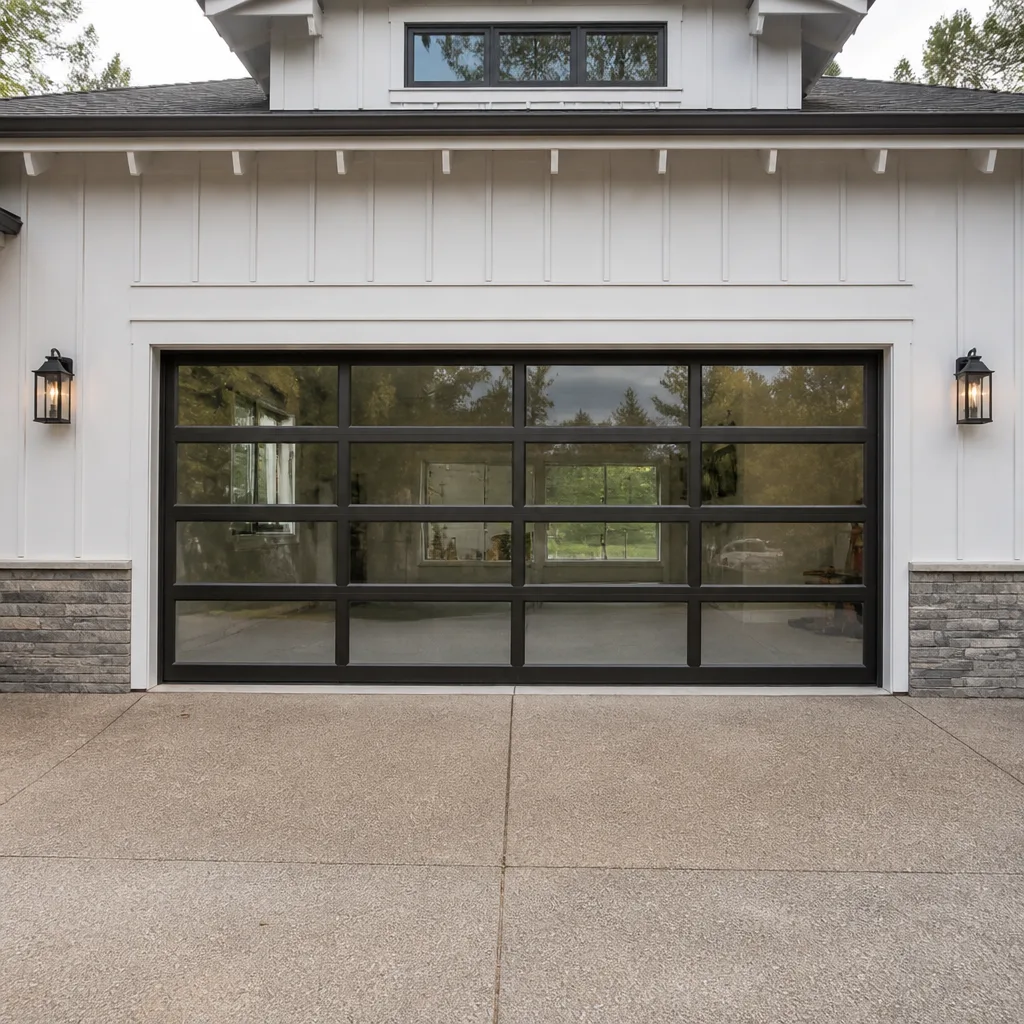 Full-view glass
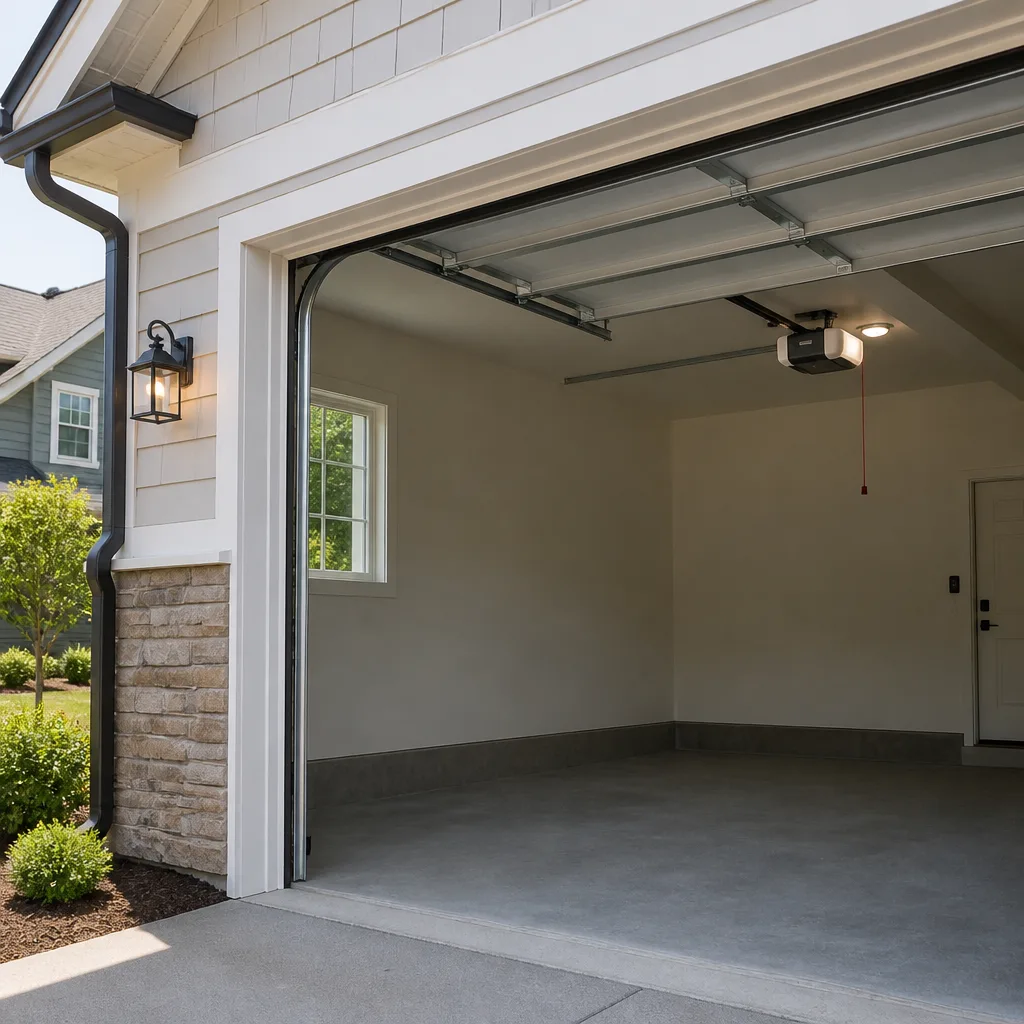 LiftMaster openers
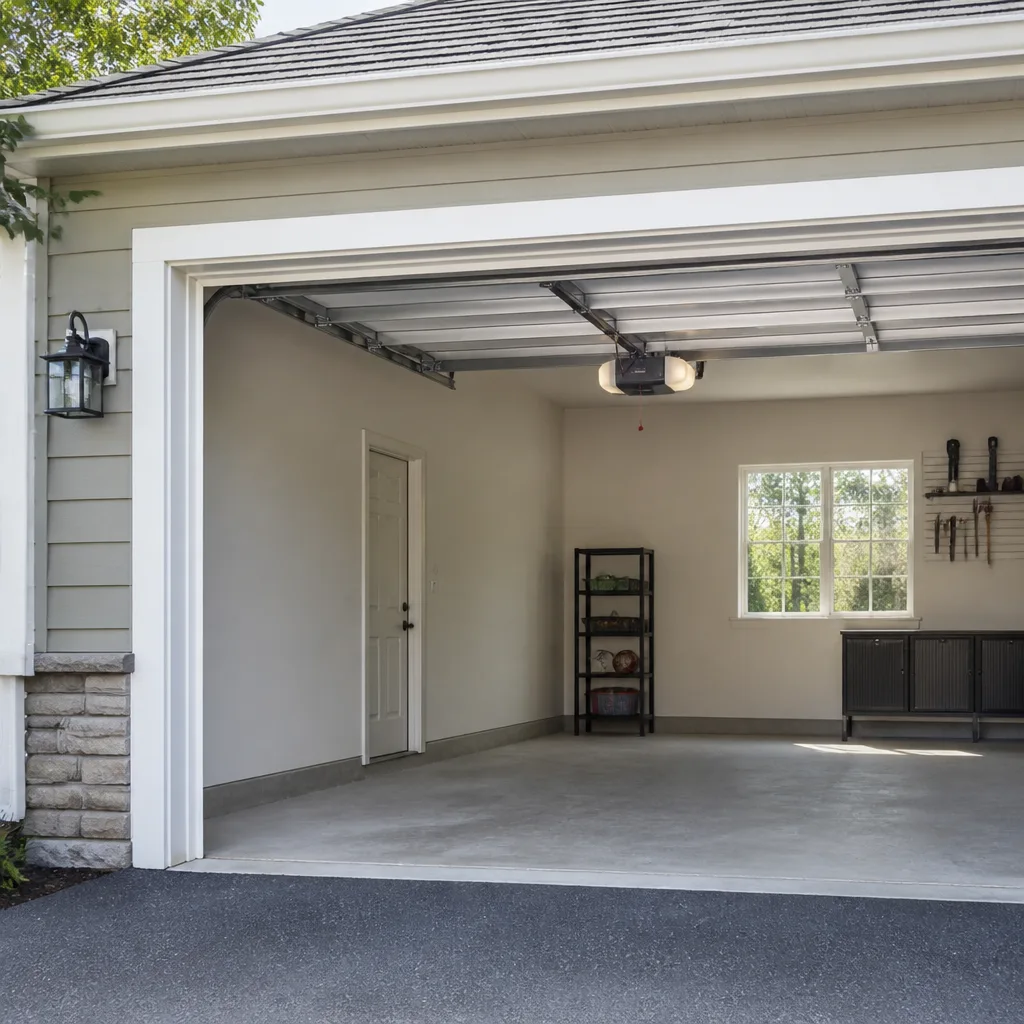 Chamberlain openers
Full 25-point door and opener safety check with every visit - springs, cables, rollers, tracks, and your LiftMaster or Chamberlain opener included
You get a price before we start. It does not change when the pro arrives.
Get your free estimateChoosing the Right Garage Door Brand: A Buyer’s Guide for Fountain Square
Most homeowners start their garage door search by comparing warranty length. It feels like the smart move – the longest warranty must mean the best door. But the brand with the best warranty is worthless if the nearest authorized service tech is in Carmel and parts ship from a warehouse in Texas. That’s the reality for two of the most heavily advertised names in the category, and it’s something the showroom spec sheet never tells you. This guide evaluates the major garage door brands on the things that matter after the sale: parts availability in the Indianapolis market, warranty fine print, steel gauge and insulation performance, low-headroom compatibility for older Fountain Square garages, and opener pairing. You’ll finish knowing which brands make sense for your garage, not just for a brochure.
Quick Answer
The best garage door brand for a Fountain Square home depends on what your garage can physically accept and what you can get serviced locally. For most older Fountain Square garages with limited headroom, a low-headroom track system from a brand with local parts access – Clopay, Amarr, or Wayne Dalton – beats a higher-spec door that needs a two-week parts order. Pair the door with an opener brand your service tech actually stocks, and check warranty fine print before you buy.
Styles & brands we work with
- Raised-panel steel
- Carriage house
- Modern flush
- Full-view glass
- LiftMaster openers
- Chamberlain openers
Table of Contents
- Why Brand Choice Matters After the Sale
- Parts Availability in the Indianapolis Market
- What “Lifetime” Actually Means in Warranty Fine Print
- Steel Gauge and Insulation: Brand by Brand
- Low-Headroom Compatibility for Older Fountain Square Garages
- Opener Brand Pairing and Long-Term Service Headaches
- A Step-by-Step Way to Choose Your Brand
- Common Mistakes to Avoid
- When to Call a Professional
Why Brand Choice Matters After the Sale
A garage door is a long-term purchase. You’ll live with the brand decision for a decade or more, and during that time the door will need adjustments, roller replacements, cable work, and eventually a full spring job. What determines how painful those years are isn’t the door’s appearance. It’s whether the parts are available locally and whether the technician who shows up knows the system.
Fountain Square has a lot of older housing stock with garages built for smaller cars and shorter doors. When a brand’s track system doesn’t fit those dimensions, the homeowner either pays for a custom retrofit or lives with a door that scrapes the ceiling every cycle. Both outcomes come down to whether the brand you picked supports the geometry your garage actually has.
We’ve seen this play out across the eight major residential brands we service. Factory-familiar with LiftMaster, Chamberlain, Genie, Clopay, Amarr, Wayne Dalton, Craftsman, and Raynor, our technicians can diagnose and repair most systems without waiting on a special order. That’s the privilege of working across all the major lines rather than pushing one. But not every homeowner gets that experience when they call around, and the brand they pick determines which kind of call they’re making.
Here’s the framework this guide uses to evaluate each brand:
- Parts access: can the common wear items (rollers, hinges, brackets, cables) be sourced locally, or do they ship from a regional warehouse?
- Warranty structure: what’s actually covered, for how long, and who honors it.
- Build spec: steel gauge and insulation R-value at comparable price points.
- Low-headroom compatibility: does the brand support the track configurations older Fountain Square garages need?
- Opener pairing: does the door work cleanly with the opener brands most common in this market?
Those five criteria decide your total cost of ownership far more than the door’s initial sticker price.
Parts Availability in the Indianapolis Market
Parts availability is the single biggest source of repair delay in the garage door trade. When a roller bracket fails or a hinge snaps, the door is unusable until the replacement part arrives. If your technician has the part on hand, the fix happens on the same visit. If it has to be ordered, the door sits and you park outside.
The brands split into rough tiers on this criterion in the Indianapolis market:
- Well-stocked locally: Clopay, Amarr, and Wayne Dalton. Their residential component lines are widely distributed through regional suppliers, so most common parts for standard-sized doors are available without a long wait.
- Moderately stocked: Raynor and CHI. Their residential lines are available locally, but the less common pieces (specific track curves, particular end hinges) sometimes need a short order window.
- Special-order prone: some of the fashionable euro-style doors and imported lines, where parts are catalog-specific and ship from a central warehouse. These can mean a week or more without the door.
Fountain Square’s proximity to the I-65 and I-70 corridors helps here. Suppliers around Indianapolis can turn around most standard parts quickly, and a specialist who handles parts as part of the service keeps the wait down further. We stock and supply garage door parts directly, which is what enables same-visit repairs on the common stuff. It’s also why we ask brand and model upfront when you call – it tells us instantly whether the fix is a van-stock item or a small order.
For homeowners planning a full garage door installation, the parts conversation is different: you’re not waiting on a repair part, you’re scheduling a delivery. But the same question applies to the brand selection. Choose one with local dealer support and you’ll have an easier time every year after.
If your current door isn’t working and you’re not sure what brand you have, that’s an easy starting point for a garage door repair call. A technician can identify the brand and model and tell you what’s ahead.
What “Lifetime” Actually Means in Warranty Fine Print
A “lifetime” warranty on a garage door almost never covers the whole door for the whole life of the house. It usually covers specific components (the steel sections, the paint finish) for the original purchaser, often on a sliding schedule where coverage reduces after a set number of years. Read the warranty before you compare it, because the headline word means different things at different brands.
The pattern across the major brands looks like this:
- Clopay: lifetime limited warranties on some steel door sections for the original purchaser, with the paint finish usually warranted for a shorter period. The fine print names exclusions for corrosion from salt (relevant if you’re near salted roads, less so in Fountain Square) and for damage from non-factory modifications.
- Amarr: similar structure – limited lifetime on the door sections, a shorter term on hardware, and a specified finish warranty. Hardware pieces like springs, rollers, and hinges sit on the shorter clocks in almost every brand’s terms.
- Wayne Dalton: splits coverage by component. The door panel warranty is longer than the hardware and torsion spring coverage, and the torsion spring is the part you’ll actually replace first.
- CHI and Raynor: comparable split-component structure. Read the tension spring, roller, and hinge coverage separately because that’s where the real exposure sits.
Two fine-print traps show up across the board:
- Original purchaser limitation: lifetime warranties usually don’t transfer to a second owner. If you’re buying a Fountain Square home with a newer door, the warranty on paper may be worth nothing to you.
- Installation exclusions: most warranties require professional installation and void coverage if the door was modified or installed outside the manufacturer’s spec. If a previous homeowner cut corners, the coverage may already be gone.
None of this means skip the warranty. It means evaluate the warranty on the components that wear out, not the ones that don’t.
Steel Gauge and Insulation: Brand by Brand
At comparable price points, the steel gauge and insulation R-value between Clopay, Amarr, Wayne Dalton, and CHI are closer than the marketing suggests. All four make solid entry-level doors in the 24-gauge to 27-gauge range, and all four step up to heavier 24-gauge or thicker faces with better insulation at the premium end. The gap is in how well the door holds up over years of cycling, not in the initial build.
Here’s how the major brands break down at roughly equivalent price tiers:
- Clopay entry tier: 25-gauge to 27-gauge steel on standard single-layer doors, no insulation on the base model. Stepping up to the insulated series gets you a two-layer or three-layer door with a rated R-value, and the higher-end lines go heavier.
- Amarr entry tier: 24-gauge to 27-gauge depending on series. Amarr’s insulated models compete directly with Clopay’s, and the three-layer choices at the premium end are comparable.
- Wayne Dalton entry tier: similar gauge range, with an insulation lineup that goes higher on the premium end. The brand’s foam-core polyurethane options are among the best performers at the high end.
- CHI entry tier: comparable gauge range, with some series offering thicker faces and better standard insulation than the entry tiers of the others. CHI’s premium residential options overlap closely with the top of the Wayne Dalton lineup.
The takeaway for a Fountain Square home: don’t shop on brand alone at a given price point. Two doors at the same price from different brands will vary more in gauge, insulation, and hardware than they vary between price tiers within a brand.
Two practical notes for this climate:
- Indiana’s cold winters and hot summers make an insulated door more comfortable and quieter than an uninsulated one, and R-value matters if the garage is attached to living space.
- If you’re choosing between a higher-R-value door from a less-supported brand and a slightly lower-R-value door from a locally stocked brand, the local brand usually wins on total cost over a decade, because parts are the recurring cost.
We source doors across all four of these brands and can show you the spec sheet for each side by side.
Low-Headroom Compatibility for Older Fountain Square Garages
Fountain Square’s older housing stock includes many garages built to smaller specifications than today’s standard. Low ceilings, shallow overhead clearance, and narrow bays are common, and they change which garage door brands are actually options. A brand with a strong low-headroom catalog can save a homeowner thousands over one that only supports standard track.
Low-headroom track is the key piece here. A garage with limited ceiling clearance needs a track configuration that runs the door closer to the header rather than into the ceiling. Not every brand offers these as a stocked component; some will custom-build them, which adds lead time and cost.
Brands with reliable low-headroom options:
- Clopay: offers dedicated low-headroom track options on multiple residential models.
- Wayne Dalton: supports low-headroom configurations across its residential lines.
- Amarr: low-headroom track is available on many residential models, though checking the specific series matters.
- CHI: offers low-headroom and high-lift configurations on some models, with the specific options varying by series.
- Raynor: offers low-headroom options, though availability in this market is more limited than Clopay or Amarr.
The measurement that decides all of this is called “headroom” – the space from the top of the door to the ceiling. If your Fountain Square garage has less than about 12 inches of headroom, you need a low-headroom track system. The exact threshold depends on door size and model, which is why the measure happens before the brand decision. On top of that, single-car garages built for older vehicles may have narrower bays that rule out double-door configurations entirely.
If you’re unsure what fits, the right first step is a free measure. An on-site check confirms what track configurations your specific garage allows. That’s part of what a garage door repair Fountain Square appointment typically opens with on installation-related calls.
Don’t buy a door first and discover the fit problem later. Measure first, then brand.
Opener Brand Pairing and Long-Term Service Headaches
The door and the opener are separate systems that have to work together, and the wrong pairing creates years of small headaches. The most common pain points show up when the opener is underpowered for the door’s weight, when the opener’s travel limits don’t match the door’s actual travel, or when the safety sensor system doesn’t work reliably with the door’s geometry.
The dominant opener brands in Fountain Square homes are the ones you’d expect on older and newer doors alike:
- LiftMaster: among the most common, with strong parts support and well-understood service procedures.
- Chamberlain: shares a manufacturing heritage with LiftMaster, and many parts interchange, which helps with repair.
- Genie: common in older installs and still widely supported.
- Craftsman: still very common on doors installed over the last few decades.
Pairing considerations that matter:
- Door weight versus opener capacity: a three-layer insulated door can be significantly heavier than a single-layer door. An opener sized for the lighter door may strain on the heavier one, and that shows up first as slow opening or as the opener reversing before it fully seats the door.
- Smart-home opener pairing: if you want Wi-Fi or smart-home control, you’ll want an opener from a brand that supports it directly, most often LiftMaster, Chamberlain, or Genie. Pairing a smart-home door with an older Craftsman opener usually means a separate bridge device.
- Safety sensor alignment: low-headroom doors can force the safety sensors into awkward positions. Choose an opener with adjustable sensor mounting to avoid nuisance reversals.
When an opener fails, the fix is usually faster than homeowners expect. Expert garage door opener repair handles most brand-specific issues in a single visit, because the common failure points are well known across LiftMaster, Chamberlain, Genie, and Craftsman systems.
A Step-by-Step Way to Choose Your Brand
Choosing a garage door brand is a sequence, not a single decision. Follow these steps in order and the right brand for your Fountain Square home will be clear by the end.
- Measure your headroom, ceiling height, and bay width. This eliminates brands that can’t fit your garage before you spend time comparing them. A headroom check under 12 inches means you need a low-headroom track system.
- Decide your insulation needs. If the garage is attached to living space or you plan to use it for anything other than a car, go with an insulated door. Choose the R-value you want first, then compare brands at that value.
- Check local parts support for your shortlist. Call and ask what’s typically in stock. The brands with the deepest local stock in the Indianapolis market are Clopay, Amarr, and Wayne Dalton. Raynor and CHI are available locally but with slightly less inventory depth.
- Compare warranty on components that wear. Look specifically at roller, hinge, and spring coverage. Rarely does the headline door warranty matter compared to the hardware clause.
- Confirm opener compatibility and upgrade path. If your current opener is LiftMaster, Chamberlain, Genie, or Craftsman, matching the door to that opener family reduces downstream issues. If you’re planning a smart opener upgrade, pick a door that supports the length and weight the new opener needs.
- Get a written quote from a specialist. The quote should specify the door model, gauge, insulation, hardware, track configuration, and installation cost. Free estimates confirm the exact fit.
This sequence matters because each step rules brands out on facts rather than brand loyalty. By the time you reach the quote, you’re comparing real options.
Common Mistakes to Avoid
- Buying on warranty length alone. A long warranty from a brand with no local parts support means every repair waits on a warehouse order. Read the fine print on which parts are covered before you commit.
- Ignoring the low-headroom measurement. Fountain Square has plenty of garages with tight ceilings. Skipping the measure leads to a door that doesn’t fit or an expensive retrofit after delivery.
- Pairing a heavy insulated door with an underpowered opener. This creates years of slow cycles, early motor strain, and eventual premature replacement. Match the opener to the door’s weight, not to what was already in the garage.
- Choosing a fashion-forward brand without checking local stock. The trendy European-style doors look great on the showroom floor, but if the parts ship from out of state, a broken hinge can keep you without a door for a week.
- Skipping the measure because the door “looks standard size.” Older Fountain Square garages often aren’t standard. Dimensions that look fine visually can be off enough to matter in the install.
- Assuming professional installation voids the warranty. It’s actually the opposite – most brands require professional installation to keep coverage. Do-it-yourself installs are where warranties usually fail.
- Comparing brands on price without normalizing spec. A “cheaper” door from one brand may have lighter gauge steel or no insulation. Compare at the same specification and the brand difference is usually modest.
When to Call a Professional
Call a professional before you buy if any of these apply: your garage door has a visual sag, your current door is scraping the ceiling or the floor, you’re planning a new install and need a headroom and bay measure, your current opener is straining or reversing, or your springs are past retirement age. Garage doors operate on high-tension springs – torsion springs carry enough stored energy to cause serious injury if handled incorrectly – and the repair work should be left to trained technicians. Our technicians have up to 12 years of experience working across LiftMaster, Chamberlain, Genie, Clopay, Amarr, Wayne Dalton, Craftsman, and Raynor, which means a single call can cover the brand question, the measurement, the quote, and the installation plan. Garage Door Repair Fountain Square offers free estimates in Fountain Square – call (877) 335-6376.
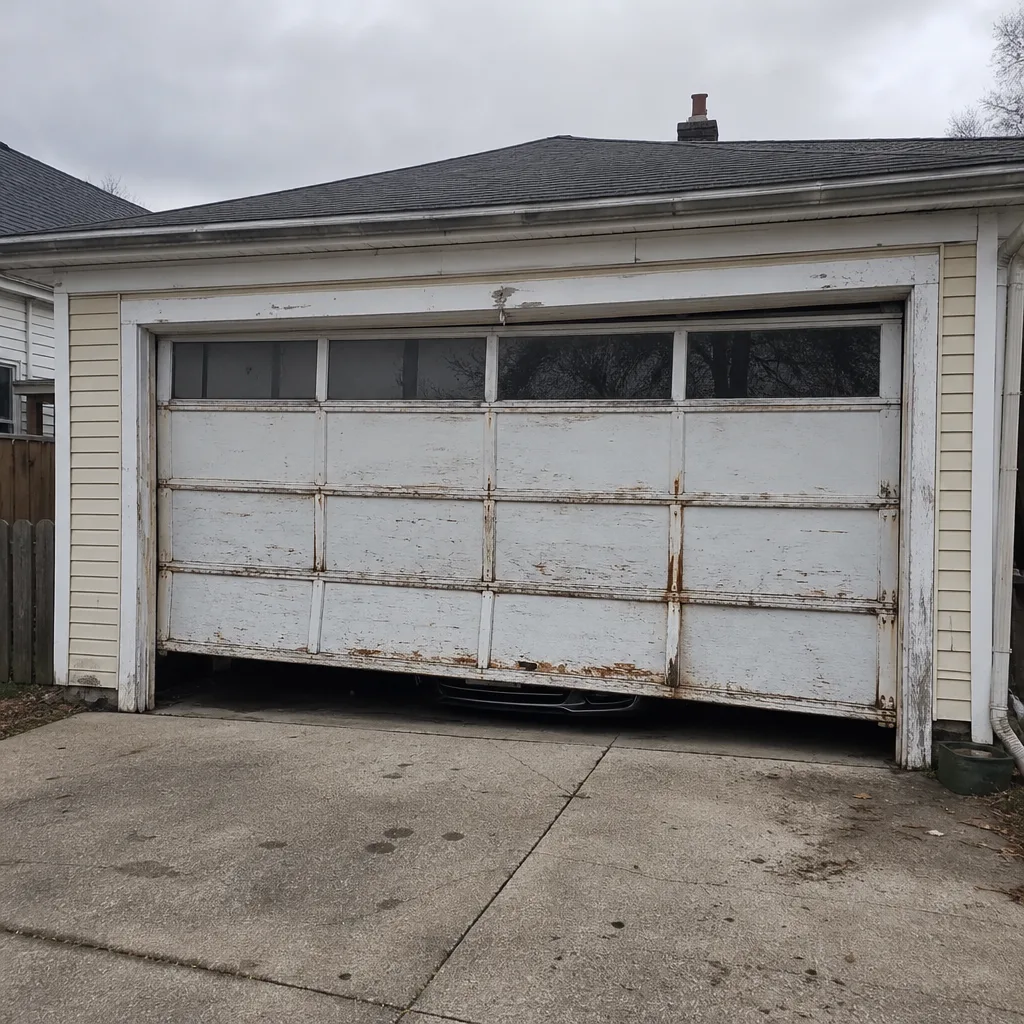
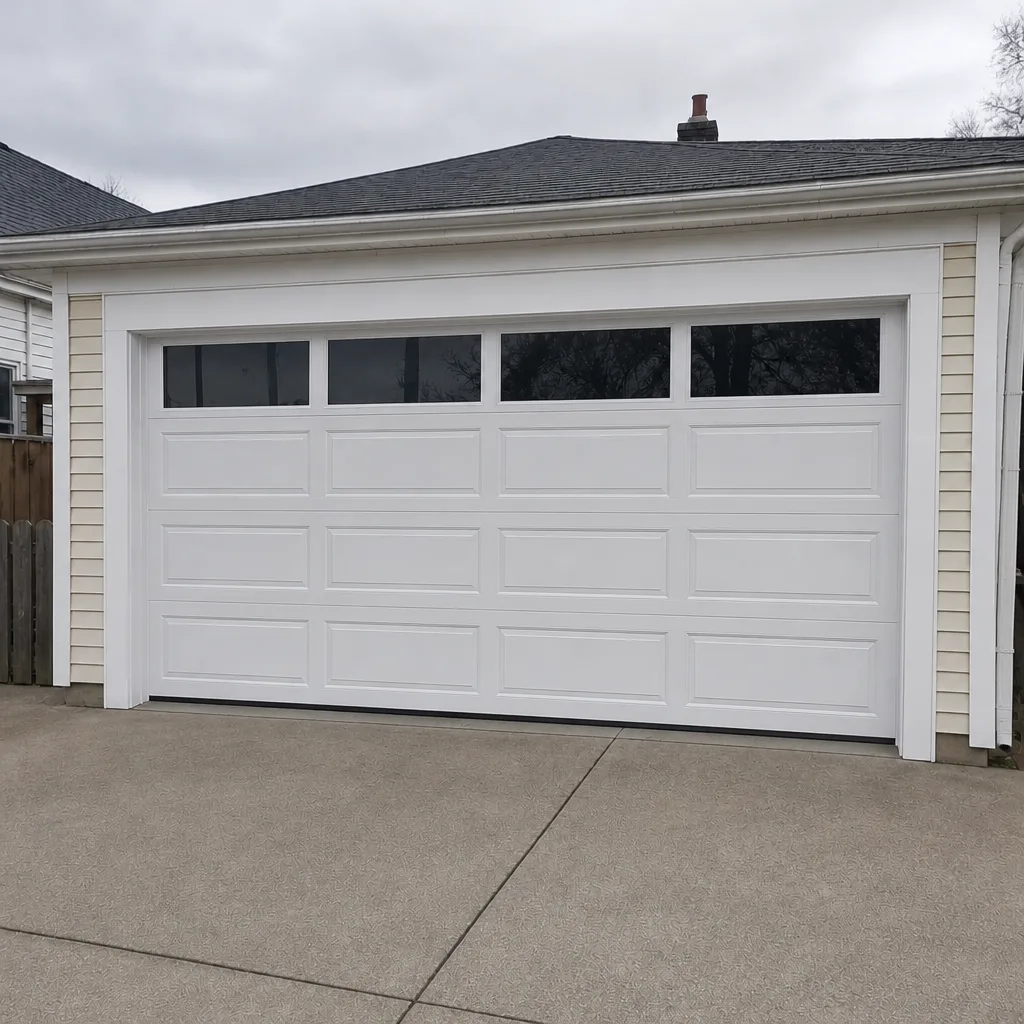
See the difference
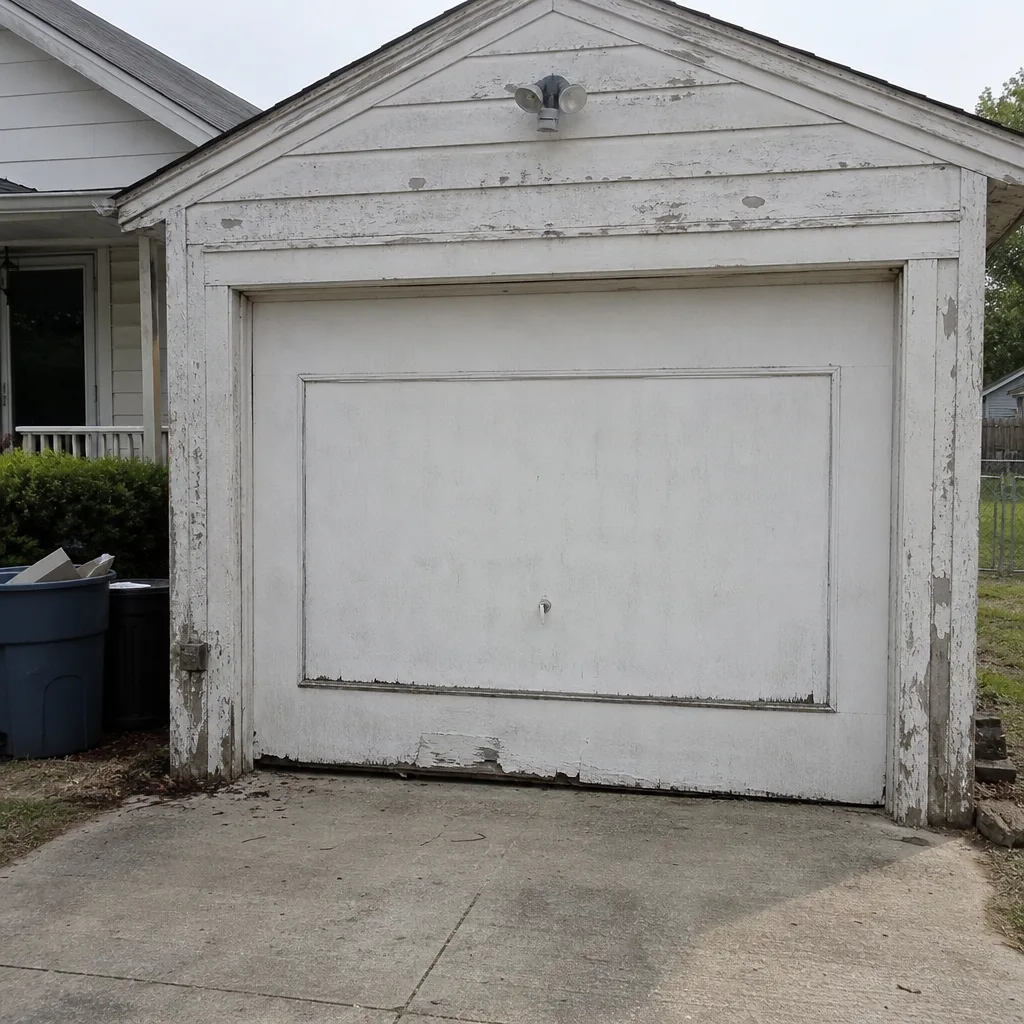 Before
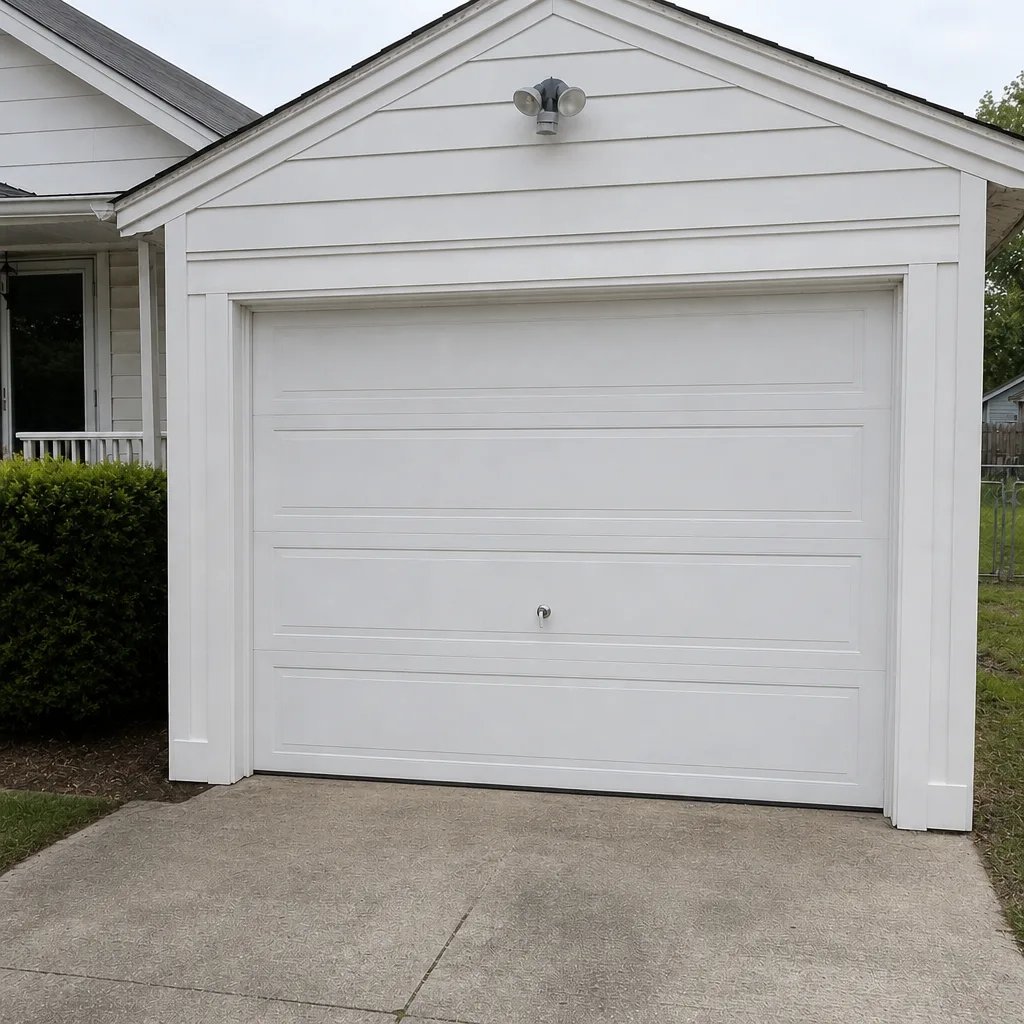 After
 Before
 After
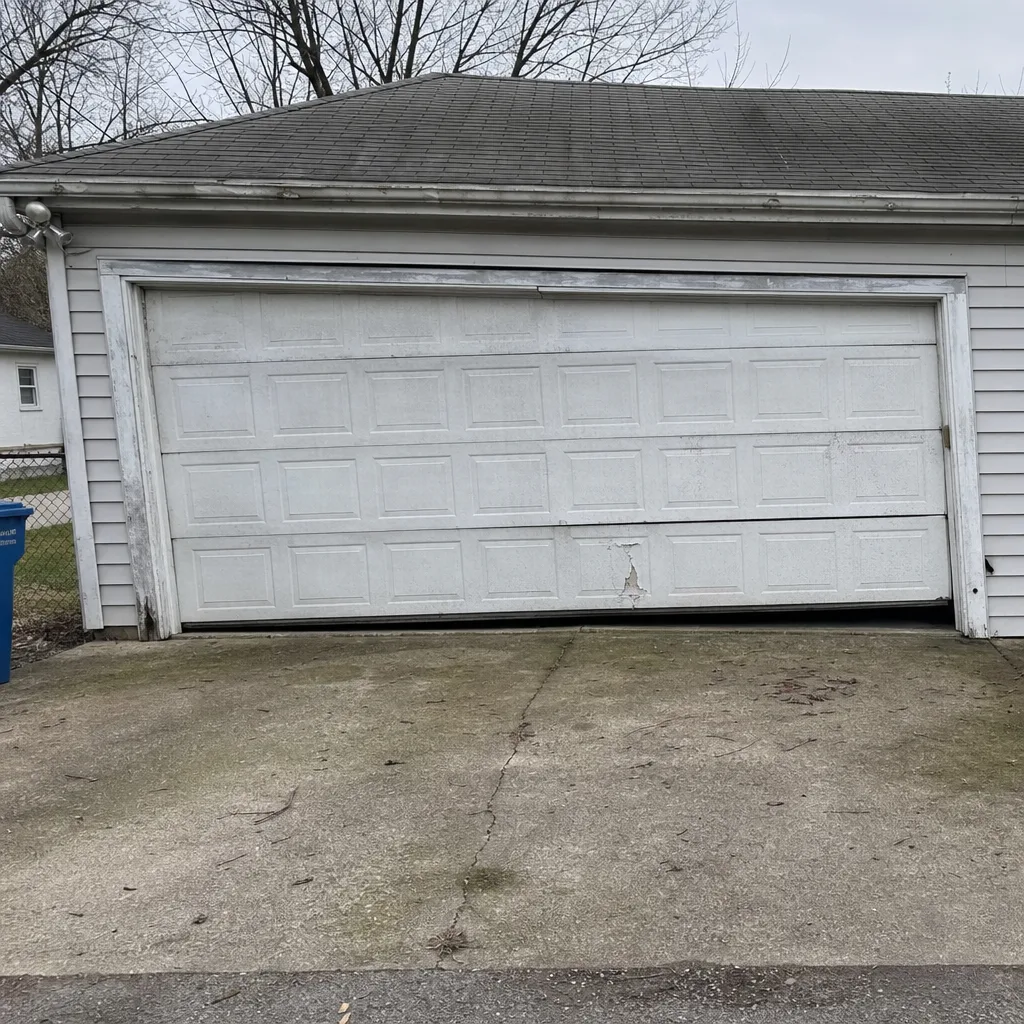 Before
 After
Frequently Asked Questions
There’s no single best brand; the right choice depends on your garage’s headroom, insulation needs, and local parts support. For most older Fountain Square garages with tight ceilings, Clopay, Amarr, and Wayne Dalton offer the best combination of low-headroom track options and parts availability in the Indianapolis market. Call (877) 335-6376 for a free estimate tailored to your garage.
Most common wear parts – rollers, hinges, brackets, cables – are available locally for Clopay and Amarr, so a repair doesn’t usually wait on shipping. Less common pieces might need a short order window, but the standard components are typically on hand. Because we stock and supply garage door parts directly, most Fountain Square repairs happen on the same visit.
No. Most “lifetime” warranties are limited: they cover specific components (usually the door sections and sometimes the paint finish) for the original purchaser, on a schedule that can reduce after a set period. Hardware pieces like springs, rollers, and hinges are almost always covered for a shorter period. The fine print is more important than the headline word.
Usually yes, but only if you choose a brand with a low-headroom track system. Fountain Square garages built in earlier decades often have lower ceilings and narrower bays than today’s standard. A free headroom measure confirms exactly what fits before you order. Call (877) 335-6376 to schedule a measure.
LiftMaster, Chamberlain, Genie, and Craftsman are the most common opener brands in Fountain Square homes, and all four support standard door pairings well. If you want smart-home control, LiftMaster, Chamberlain, and Genie support it directly. Match the opener’s capacity to the new door’s weight, and confirm the opener supports the track configuration.
No – the price is quoted and agreed before any work starts. A garage door estimate typically includes the brand, model, gauge, insulation, hardware, track configuration, and installation cost in writing, so the written estimate sets the final price. That’s true for both repair and installation. Call (877) 335-6376 for a free estimate.
The Bottom Line
The best garage door brand for a Fountain Square home is the one your local technician can service, your garage can physically accept, and your budget can support at the spec you want. Brand quality matters, but parts availability, low-headroom compatibility, and opener pairing matter more. Clopay, Amarr, and Wayne Dalton lead on local parts support in the Indianapolis market; CHI and Raynor are close behind; LiftMaster, Chamberlain, Genie, and Craftsman dominate the opener side for a reason. Measure first, compare spec at the same price point, and read the warranty fine print on hardware. Do that and you’ll pick a door you won’t regret in five years.
If you’ve narrowed it to two brands and want a straight answer for your specific garage, call Garage Door Repair Fountain Square at (877) 335-6376 for a free estimate. We cover the full lifecycle – repair, spring work, opener service, and full installations – across all eight major brands, so one call puts the whole picture together.
Written by the team at Garage Door Repair Fountain Square.