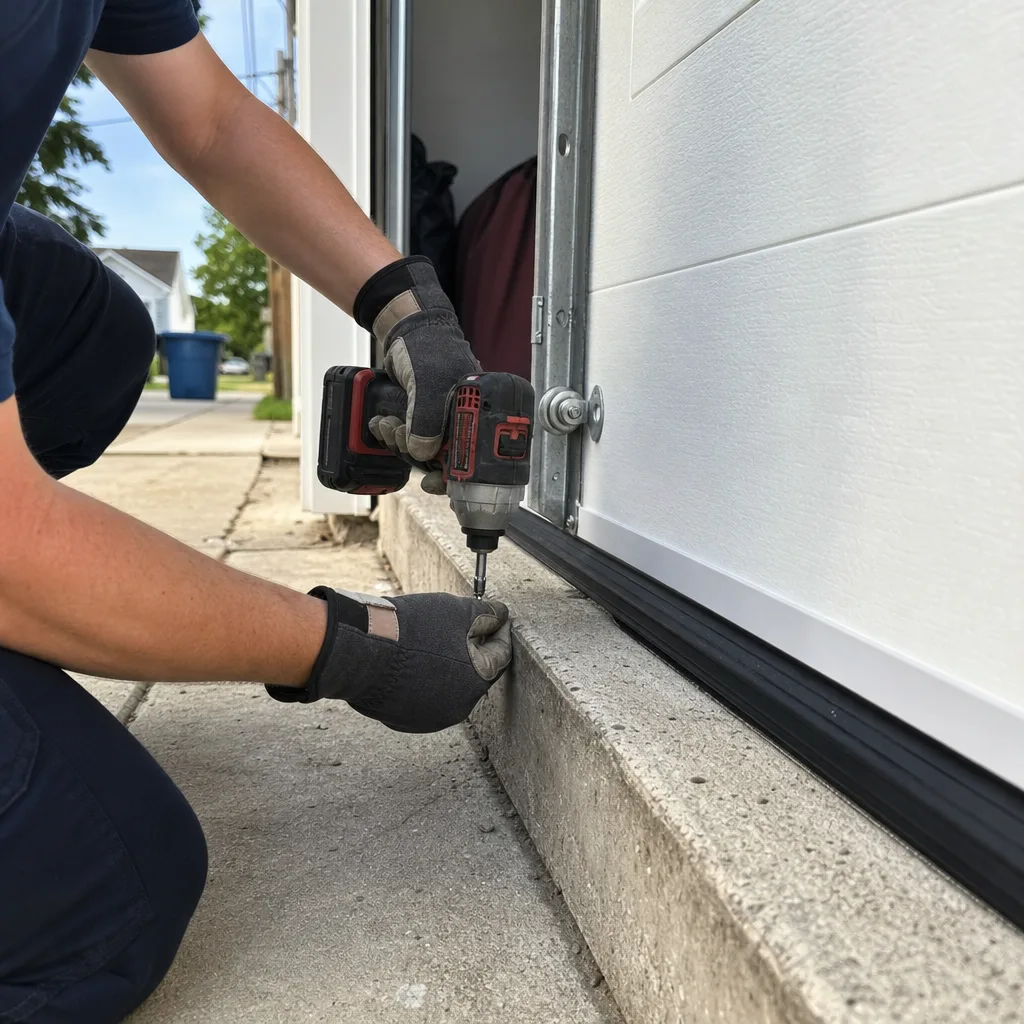
Last updated November 20, 2026
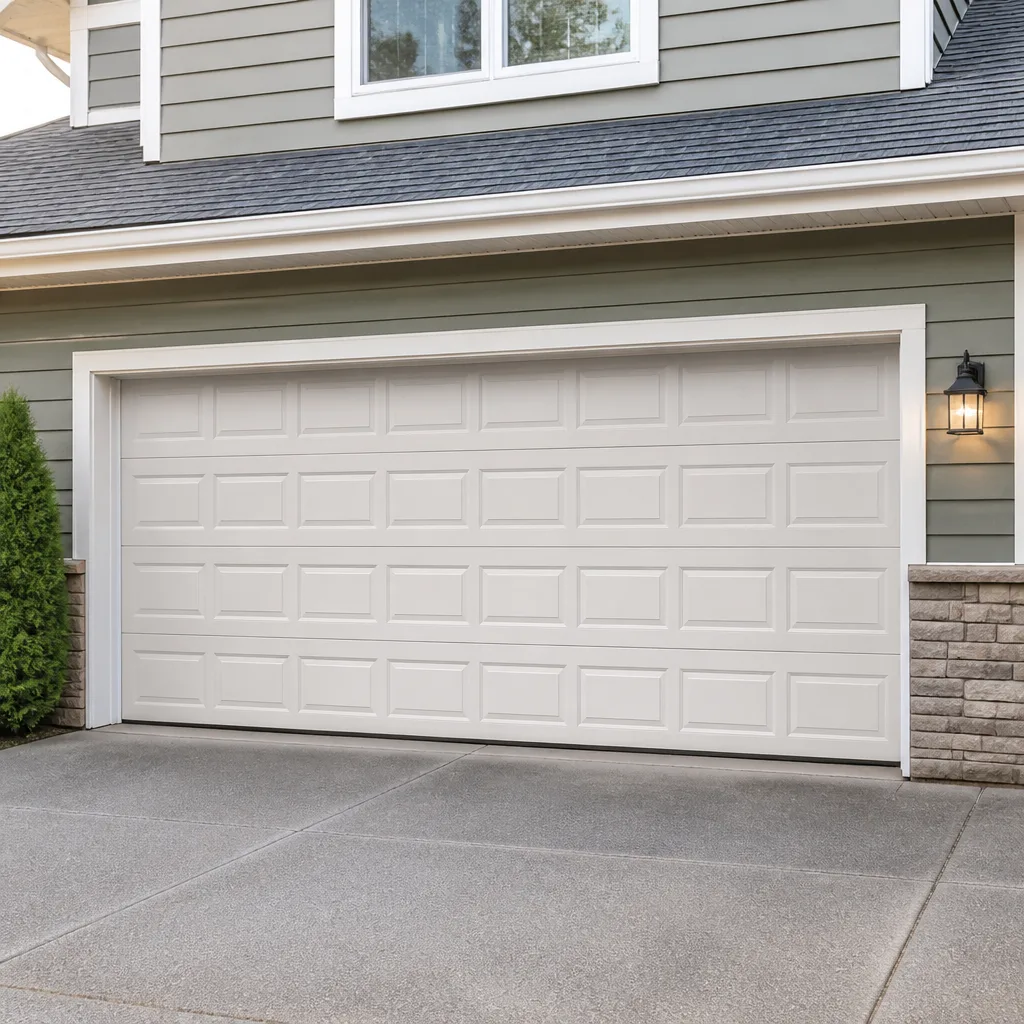 Raised-panel steel
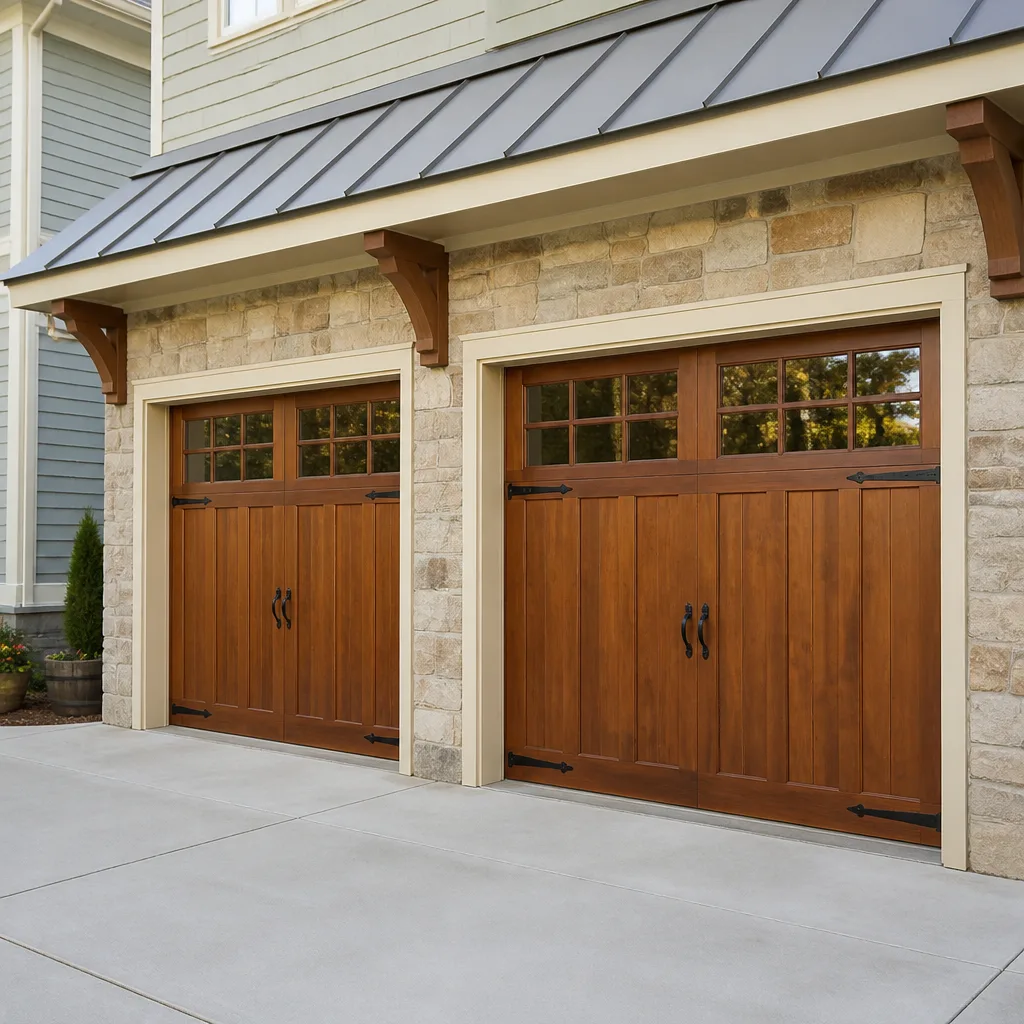 Carriage house
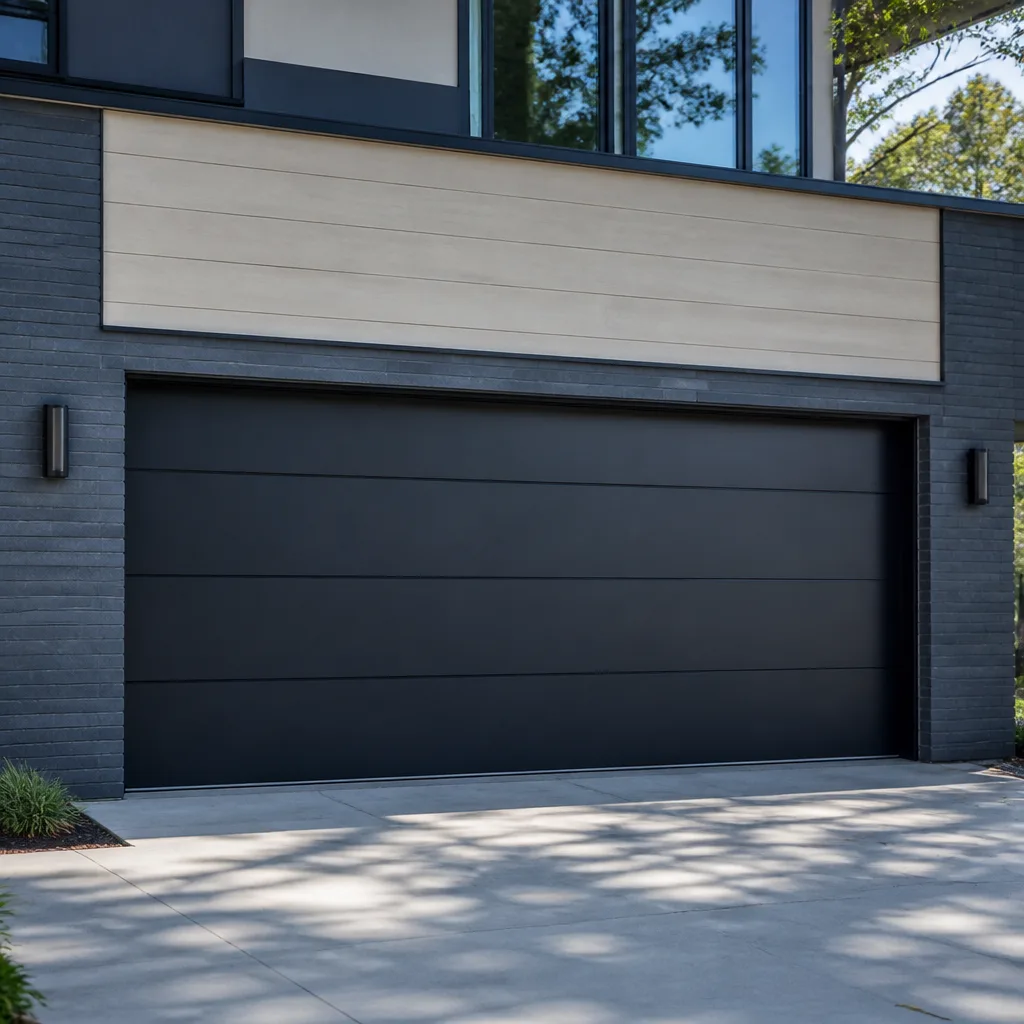 Modern flush
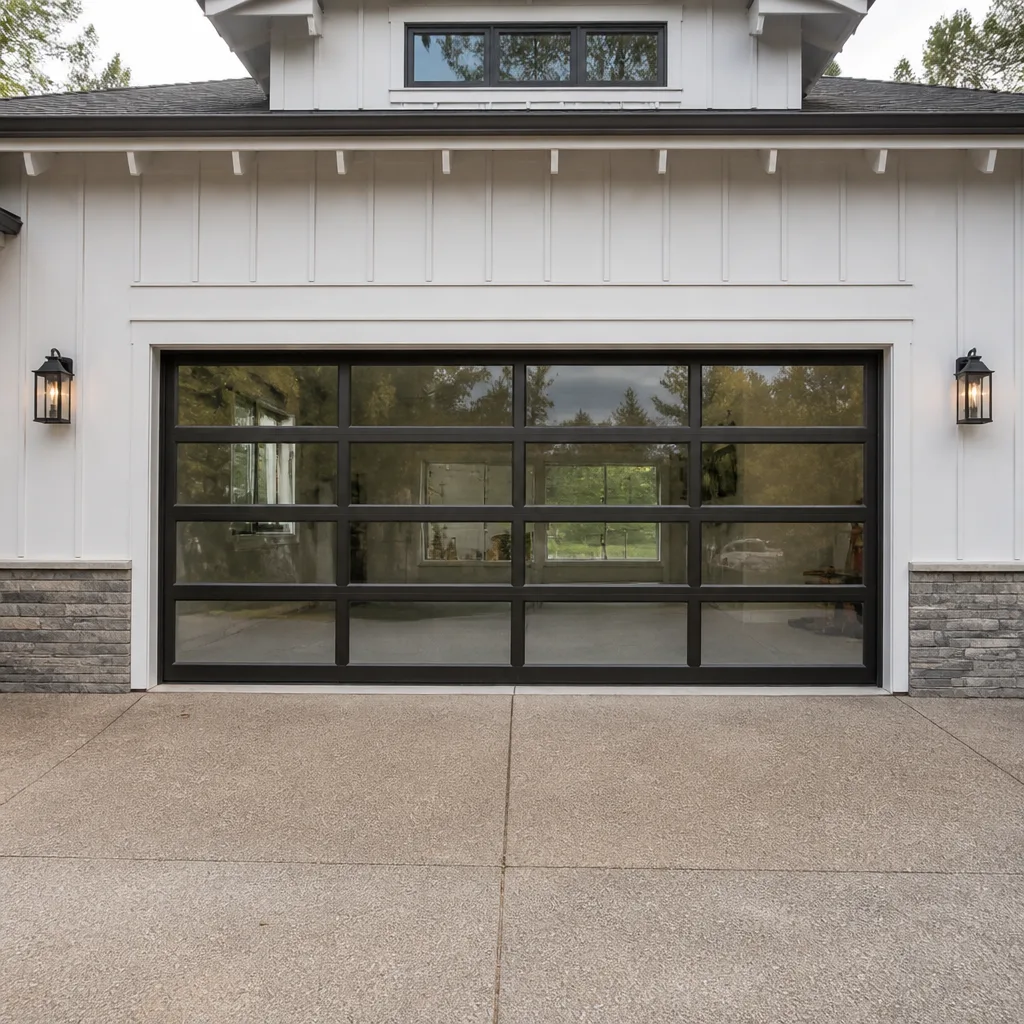 Full-view glass
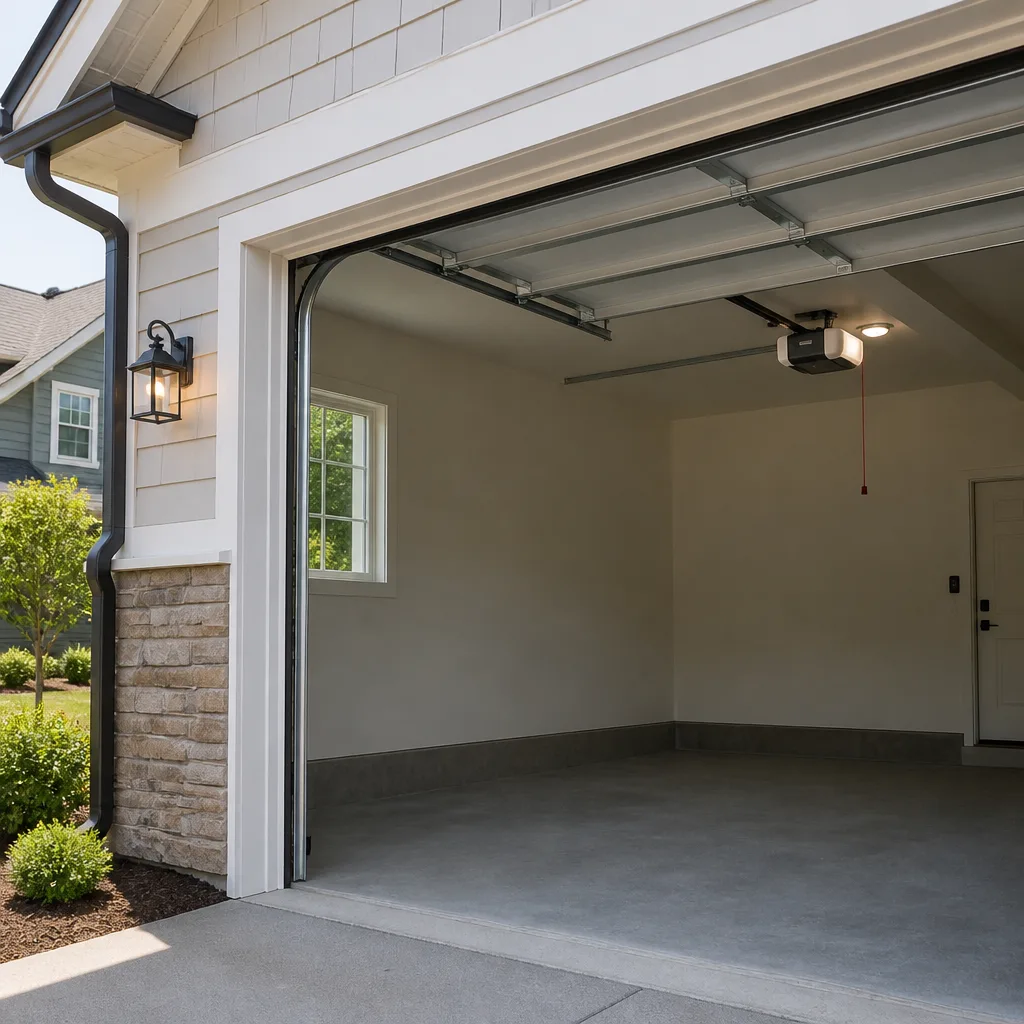 LiftMaster openers
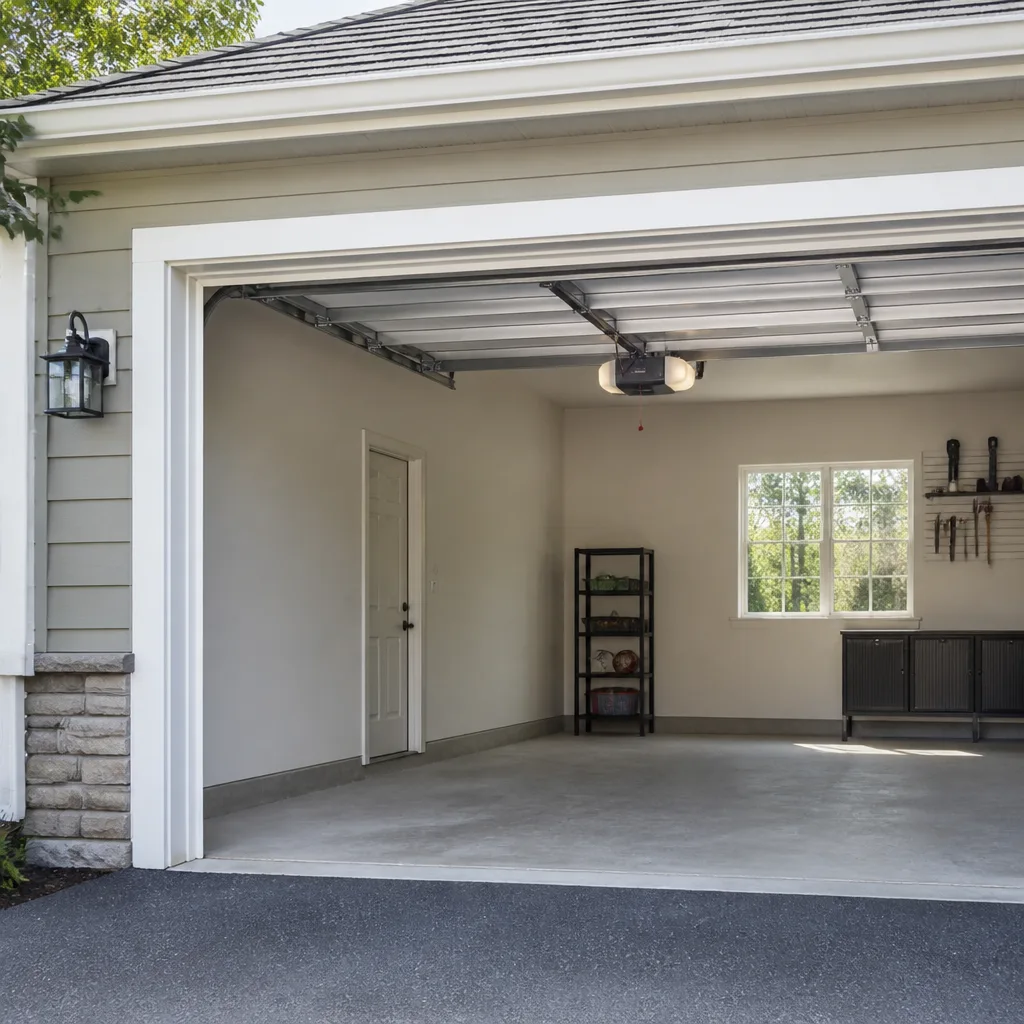 Chamberlain openers
Full 25-point door and opener safety check with every visit - springs, cables, rollers, tracks, and your LiftMaster or Chamberlain opener included
You get a price before we start. It does not change when the pro arrives.
Get your free estimateSeasonal Garage Door Care for Fountain Square: Year-Round Homeowner’s Guide
Most homeowners think about their garage door twice: when it breaks and when it looks bad. That’s the mistake. A garage door is a machine made of steel, wood, and springs that lives on the wrong side of your house’s thermal envelope, and it takes the full force of every season change without complaint. In Fountain Square, that cycle is especially rough. The freeze-thaw pattern here can run a dozen or more swings in a single week as temperatures climb past freezing in the afternoon and drop back below it overnight, and most people ignore the resulting wear until something snaps. This guide walks through each season as its own mechanical stress event and shows you what to check, when to check it, and which single task prevents the most common emergency call in each weather window. You’ll finish knowing what your door is doing all year in Fountain Square and what it needs from you.
Quick Answer
Seasonal garage door maintenance in Fountain Square means matching your inspection to the weather stress in play: replace weatherseals and check spring tension before the first hard freeze in fall, keep the bottom seal free of ice and never force a frozen door in winter, inspect cables and rollers for freeze-thaw wear each spring, and watch wood panels for humidity swelling through summer. Each season has one high-value task, and doing it early is what keeps a repair from becoming an emergency.
Styles & brands we work with
- Raised-panel steel
- Carriage house
- Modern flush
- Full-view glass
- LiftMaster openers
- Chamberlain openers
Table of Contents
- Why Fountain Square’s Seasons Stress Your Door Differently
- Fall: Weatherseals and Torsion Spring Tension Before the First Freeze
- Winter: A Frozen Bottom Seal and the Opener Killer
- Spring: Post-Freeze-Thaw Cable and Roller Inspection
- Summer: Humidity, Wood Panels, and Early Delamination
- Your One Task Per Season at a Glance
- Brand-Specific Seasonal Notes: Amarr, Wayne Dalton, Craftsman, Raynor
- Common Mistakes to Avoid
- When to Call a Professional
Why Fountain Square’s Seasons Stress Your Door Differently
A garage door in a mild climate mostly wears from use. A garage door in Fountain Square wears from temperature. The difference is the freeze-thaw cycle, and it’s more frequent here than people expect. Metal expands in the afternoon sun and contracts again after dark, and when that cycle repeats fifteen times in one March week, every fastener, hinge, roller stem, and torsion spring on the door is working a little looser than it was.
That mechanical reality drives everything else in this guide. Your spring is under constant tension, and each expansion-contraction cycle nudges it slightly toward fatigue. Your weatherseal loses flexibility faster when it’s repeatedly softened and hardened. Your wood or composite panels take on and release moisture as the humidity swings. None of these failures happen all at once. They accumulate quietly across seasons until one morning the door won’t open.
We’ve worked on enough Fountain Square doors to know that a seasonal habit catches most of this early. Our technicians have up to 12 years of experience, and the pattern is consistent: the doors that get looked at once per season are the ones that never surprise anyone. The doors that get ignored are the ones that call us on a freezing morning with a snapped spring.
The other local reality is that a garage door here is rarely decorative. It’s the front door for a lot of households, opening every day, sometimes multiple times. That daily duty combines with the seasonal stress, so scheduling your inspection around the weather rather than the calendar is the practical approach.
If you ever find yourself past the maintenance stage and into the repair stage, that’s the moment to reach out for Garage Door Repair Fountain Square. We’ve built our whole service around residential doors and openers, which means when something does fail, we can usually diagnose it on the first visit and fix it with parts we stock.
Fall: Weatherseals and Torsion Spring Tension Before the First Freeze
Fall is the season that matters most, because it’s the last chance to prepare the door before it has to survive the cold. Two tasks top the list: replacing the weatherseal and having the torsion spring tension checked. Both are about protecting the door from the freeze that’s coming, not about anything happening right now.
The weatherseal, before it gets brittle
The weatherseal is the rubber or vinyl strip along the bottom and sides of the door. Its job is to sit against the concrete and keep cold air, moisture, and pests out. By the end of summer it’s been baked and stretched, and it’s typically lost some flexibility. When temperatures drop, a stiff seal cracks, tears away from its retainer, or freezes to the floor. Replacing it in fall, while it’s still pliable and the weather is workable, is far easier than wrestling with it in January.
Run your hand along the bottom seal. If it feels hard, looks cracked, or leaves a gap you can see daylight through when the door is closed, it’s time to replace it. Check the side seals the same way. This is a part most people can buy and swap on a weekend, and it costs far less than the consequences of a seal that lets water in all winter.
The torsion spring, checked by a professional
A torsion spring is a tightly wound coil of steel that holds the door’s weight. Over a season of daily use and temperature swings, it loses tension gradually. A spring that’s slightly under-tensioned makes the opener work harder, which shortens the opener’s life and increases the chance of a failure on a cold morning.
Here’s where we draw a hard line. Do not adjust, lubricate the coils of, or attempt to test a torsion spring yourself. A wound torsion spring stores an enormous amount of energy, and releasing it incorrectly can cause severe injury. A trained professional checks spring tension with the door disconnected and can tell you whether it’s within spec or due for replacement. In our experience, fall spring checks are the single most valuable maintenance visit of the year in Fountain Square, and it’s one of the tasks we specifically handle for that reason. When it’s time, our garage door repair service covers spring work done safely.
Winter: A Frozen Bottom Seal and the Opener Killer
Winter brings one very specific and very common problem in Fountain Square: the bottom seal freezing to the concrete floor. When moisture gets between the seal and the slab and then freezes, the two fuse together. The door won’t lift, and the first thing most homeowners do is hit the button again, and again, and again.
That’s the mistake that turns a ten-minute annoyance into a dead opener. Every time the opener pushes against a door that’s physically stuck, the motor strains, the gears take the load, and the drive mechanism wears prematurely. A cheap fix becomes a motor replacement because the door was forced.
What to do when the door is frozen
- Don’t hit the button repeatedly. Stop and look at the door before trying again.
- Disconnect the opener using the manual release cord, if you can safely reach it, so the opener isn’t taking the load.
- Check whether the bottom seal is frozen to the floor. Moisture, snowmelt, or a thin layer of ice from a wet car is the usual culprit.
- Clear any ice or snow from the threshold and along the seal line. Never use hot water on frozen concrete, because the thermal shock can crack the slab.
- If the door lifts by hand once the ice is cleared, reconnect the opener and resume normal use. If it still won’t lift by hand, something mechanical is stuck and it needs a professional look.
The best winter task is preventive: keep the threshold clear, and if the seal is the old, stiff kind that grabs moisture easily, replacing it in fall before the freeze is what saves you the February morning scramble. If your opener has already taken a beating, our garage door opener repair team handles the motor and drive system across the major brands. LiftMaster and Chamberlain units are especially common in the garages around Fountain Square, and we know how they behave under strain.
Spring: Post-Freeze-Thaw Cable and Roller Inspection
Spring is when the freeze-thaw cycle pays its bill. Metal that has expanded and contracted a few dozen times is now working with tiny amounts of slop, and the parts that suffer most are the cables and rollers. This is the season for an inspection, not a repair, unless the inspection finds something.
What to check each spring
- Cables: Look for fraying, kinks, or broken strands. Cables run under high tension and they don’t forgive a nick. Any visible fraying means the door should not be operated until it’s assessed.
- Rollers: Rollers should turn smoothly in their stems. A roller that’s flat-spotted, cracked, or wobbly is a failure waiting to happen, and freeze-thaw cycling is a common cause of stem wear.
- Hinges: Check the hinged joints for looseness or visible corrosion. A hinge that’s worked loose lets the panel shift, which throws off the track alignment.
- Tracks: Run the door and watch for any wobble or binding. Tracks that shifted over winter can cause the door to hang up.
- Weatherseal: Check the bottom and side seals again. If they came through winter damaged, spring is a good time to replace them while the weather is mild.
Freeze-thaw stress is cumulative, which is why a spring inspection is about catching wear early, not about finding a dramatic failure. If you’re mechanically cautious about cables and can’t confidently assess them, that’s normal, and it’s why a professional inspection in spring is worth doing. Letting a cable get to the point of snapping is the failure this inspection is meant to prevent. Our garage door repair team handles cable and roller work as part of the seasonal maintenance we do around Fountain Square.
Summer: Humidity, Wood Panels, and Early Delamination
Summer is the slow season for mechanical failure but the high season for humidity damage, especially on wood and composite doors. The swing between humid days and dry days pushes moisture into the panels and pulls it back out, and wood doesn’t love that motion. Over a summer, that cycle can begin to separate the layers of a wood or composite panel.
How to spot early delamination
Delamination starts small. Look at the bottom edges of the panels first, since that’s where moisture collects. You’re looking for a slight lifting or peeling at the edge, a surface that feels soft or spongy under your hand, or a faint chemical smell when you get close. Any of these is worth attention now, before the damage travels further up the panel and it becomes structural. Paint and stain also do real work here, and a fresh coat before the humid stretch is a low-cost defense.
The one task that matters most in summer
Beyond watching the panels, the single highest-value summer task is a full door lubrication. A door uses several points: the hinges, the rollers, and the track itself. A door that’s been running dry through a winter gets noisier and stiffer, and summer is a good time to correct that with a proper lubricant on the moving parts. Keep in mind that lubrication is a maintenance task a homeowner can generally do safely on the moving metal parts, but it never includes touching the springs or cables. If you’re unsure what a door needs, a professional seasonal check is the safer call. If the humidity has finally pushed your older door toward replacing panels or the whole unit, garage door installation is where we help most homeowners in Fountain Square, and we handle the whole job from measure to finish.
Your One Task Per Season at a Glance
Here’s the whole idea in one place. If you remember nothing else from this guide, remember the single task that prevents the most common emergency call in each Fountain Square weather window.
- Fall: Replace the weatherseal and have the torsion spring tension checked before the first freeze. This prevents the frozen-seal emergency call.
- Winter: Keep the bottom threshold clear and never force a frozen door. This prevents the burned-out-opener call.
- Spring: Inspect the cables and rollers for freeze-thaw wear. This prevents the snapped-cable call.
- Summer: Check wood panels for early delamination and lubricate the moving parts. This prevents the panel-replacement call.
Four tasks, none of which are dramatic, and together they cover the vast majority of failures we see on Fountain Square doors. The doors that get these four things done are the ones that stay out of trouble all year.
Brand-Specific Seasonal Notes: Amarr, Wayne Dalton, Craftsman, Raynor
Different doors and openers respond to the seasons in slightly different ways, which is why brand familiarity matters. We’re factory-familiar with the brands that dominate the market here, including Amarr, Wayne Dalton, Craftsman, and Raynor, along with LiftMaster, Chamberlain, Genie, and Clopay. That means when we come out, we already know the door’s design, the typical failure points, and which parts it takes.
The door brand and the opener brand are two separate systems. Your door might be Amarr while the opener is a nearly universal Craftsman unit, or a Wayne Dalton door paired with a Raynor-era opener. Knowing each brand is the difference between guessing and diagnosing. Amarr and Wayne Dalton doors, for example, have their own panel and seal designs that affect how a weatherseal fits; getting the right one on the first visit is why we stock and supply the parts we need. If your opener is one of the common Wi-Fi and smart-home-compatible units from LiftMaster, Chamberlain, or Genie, we know the electronics side as well as the mechanical side. The point: your opener, your door, our specialty.
Common Mistakes to Avoid
- Ignoring the fall weatherseal replacement. Waiting until the seal is already frozen to the concrete means the replacement happens in bad weather with a cold, stiff material. Replace it before the freeze and the job is easy. Skip it and you’ll be asking us to unfreeze your door in January.
- Forcing a stuck door in winter. Every push of the opener button against a frozen or jammed door wears the motor and drive. The door being stuck is a symptom; forcing it just turns a stuck door into a broken opener too.
- Adjusting the torsion spring yourself. This is a genuinely dangerous component holding a lot of energy. A slipped spring can cause serious injury, and there is no safe homeowner shortcut. Have it checked and adjusted by a trained technician.
- Skipping the spring inspection after winter. The freeze-thaw cycles here don’t fail a door all at once, they loosen things a little at a time. A spring inspection before the next heating season catches a worn spring while it’s still cheap to deal with.
- Blaming the opener for a door problem. A weak, noisy, or slow opener is often a symptom of a stiff door, a worn roller, or a loose spring. Replacing the opener without checking the door wastes money and leaves the real problem in place.
- Letting a small cable fray become a snap. A single frayed strand is a warning. Cables are under high tension and can fail without much further warning once they start to go, so have any visible fraying checked instead of running the door and hoping.
- Ignoring early panel delamination. A soft spot or a peeling edge at the bottom of a wood or composite panel in summer is easy to miss. Left alone through a humid stretch, it can spread to the point where the panel needs replacing instead of a touch-up.
When to Call a Professional
Some seasonal maintenance is fair game for a homeowner. Replacing a weatherseal, lubricating moving parts like hinges and rollers, and looking over the panels are all things you can do yourself without much risk. Where we draw the line is that a trained professional handles the springs, cables, torsion assembly, and anything that involves the opener’s internal mechanism under load. Those are the components with real stored energy and real failure stakes, and a quick check is worth the effort. If you’ve found a frayed cable, a worn roller, a spring that’s lost tension, a door that’s stiff or noisy, or a panel that’s delaminating, that’s when a professional should look at it. Garage Door Repair Fountain Square offers free estimates in Fountain Square – call (877) 335-6376. Our technicians have up to 12 years of experience and work all eight of the major door and opener brands, with parts stocked so a seasonal fix can often be done on the same visit.
Frequently Asked Questions
Four times a year, ideally once per season. Fall and spring are the most important on either side of the freeze, when weatherseal and spring checks and cable and roller inspections pay off most. Summer is the window for wood panel checks, and winter is mostly about keeping the threshold clear and not forcing a frozen door.
Moisture between the bottom seal and the concrete freezes and fuses the two together. A worn or stiff seal makes it worse, because it grabs water more easily. Replacing the seal before winter and keeping the threshold clear is the practical way to prevent it across Fountain Square.
Yes, if you keep forcing it. Each push of the button against a door that can’t move strains the motor and drive mechanism, which is how a small winter annoyance becomes a motor replacement. Stop, disconnect the opener if you can safely reach the release, clear the ice, then try again.
No. A torsion spring stores a large amount of energy and can cause serious injury if it’s released or adjusted incorrectly. A trained professional should check tension and handle any spring work. This is one of the maintenance tasks where an expert is worth having, particularly in Fountain Square where the freeze-thaw cycle works the spring all year.
Spring repair is priced per spring and depends on the door’s design and the spring you have. We’ll give you a written, itemized price before any work starts, and the number in that quote is what you’ll pay. Call (877) 335-6376 for an exact quote – estimates are free.
For repair calls, we can often handle the visit the same day, and we field calls from Fountain Square regularly. For a new door or a full replacement, we schedule as the work is measured and ordered. Call us and we’ll tell you honestly when we can get to you.
The Bottom Line
A garage door in Fountain Square isn’t just a convenience; it’s a machine under constant seasonal load. Treat the freeze-thaw cycle as the clock and check the right component in the right window. In fall, prep the weatherseal and have the spring checked before the first freeze. In winter, keep the threshold clear and never force a frozen door. In spring, inspect the cables and rollers after the freeze-thaw work is done. In summer, watch wood panels for early delamination and keep the moving parts lubricated. Four small tasks, matched to the season, prevent the four most common emergency calls we see. Skip them and the door will eventually tell you it’s too late.
Ready to get your Fountain Square door on a seasonal schedule? Call (877) 335-6376 for a free estimate and we’ll take it from there.
Written by the team at Garage Door Repair Fountain Square.
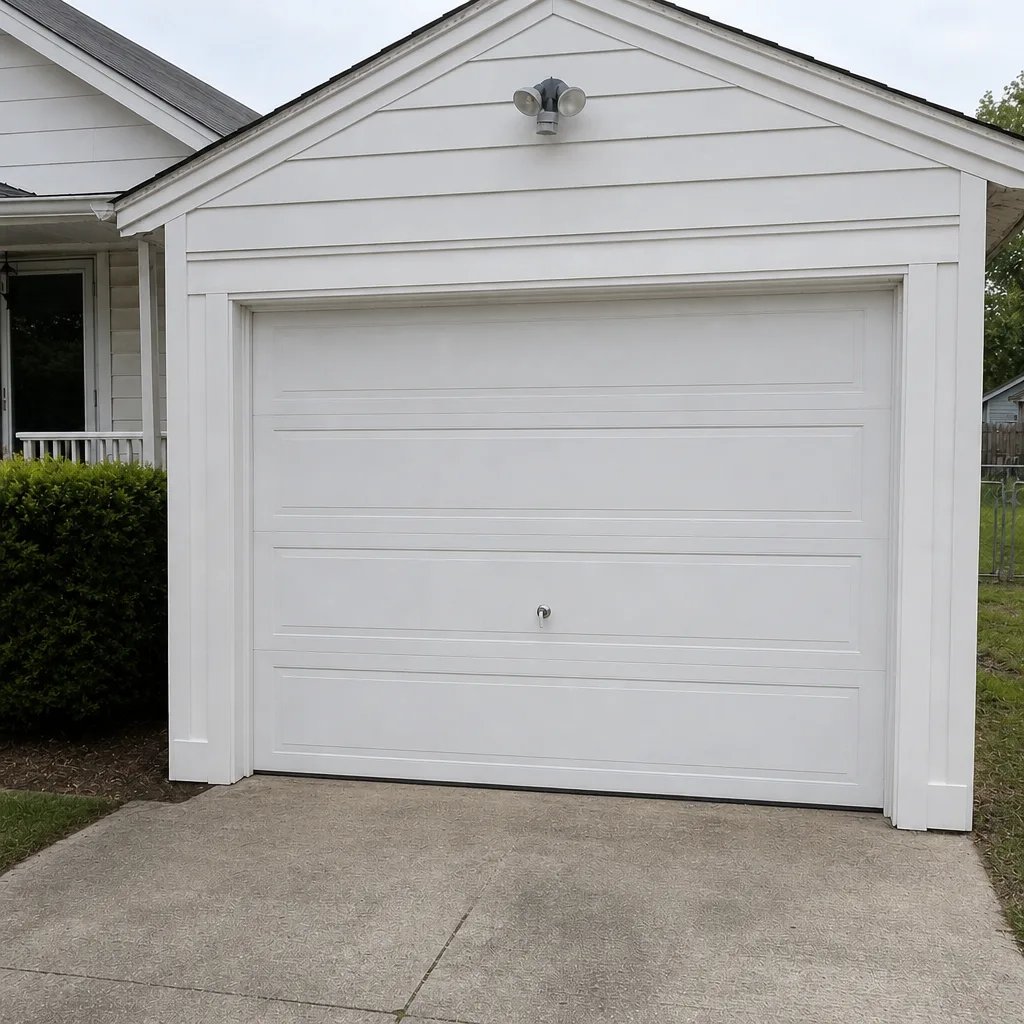
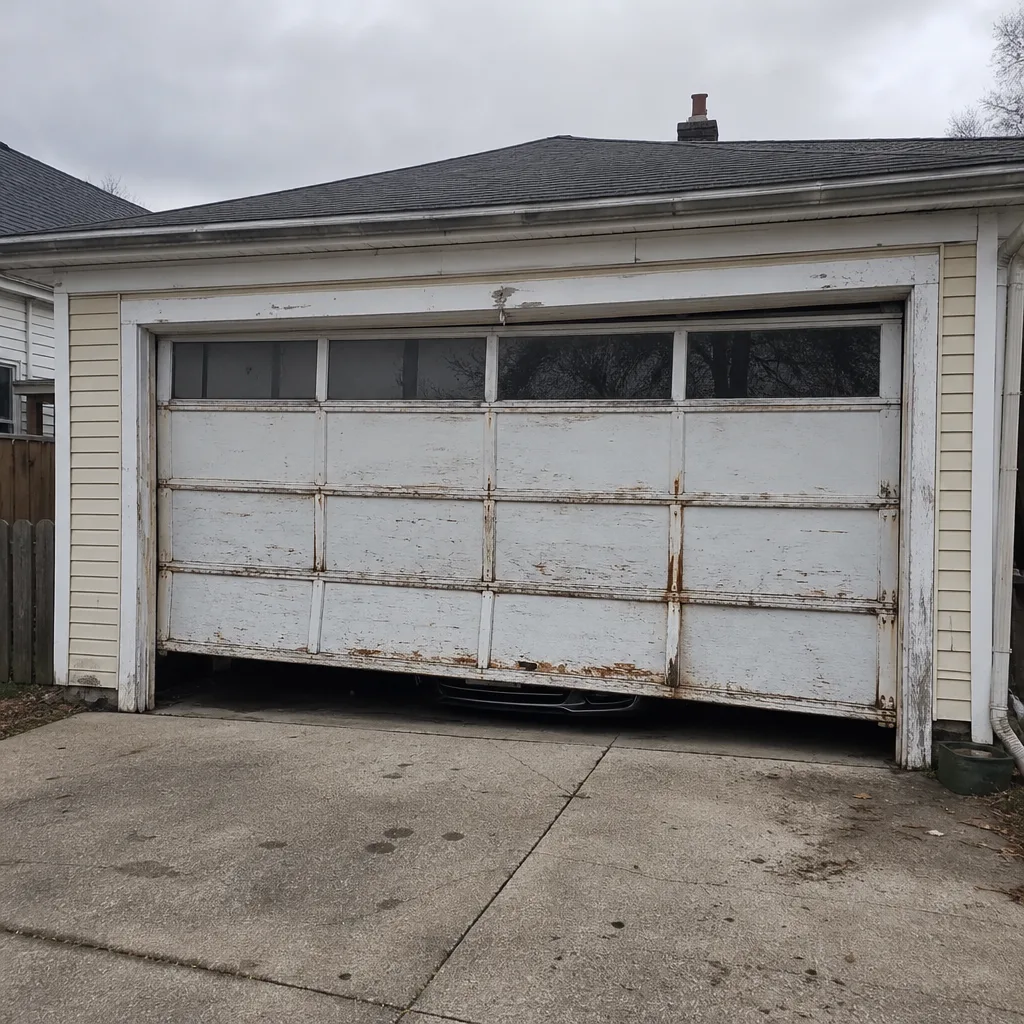
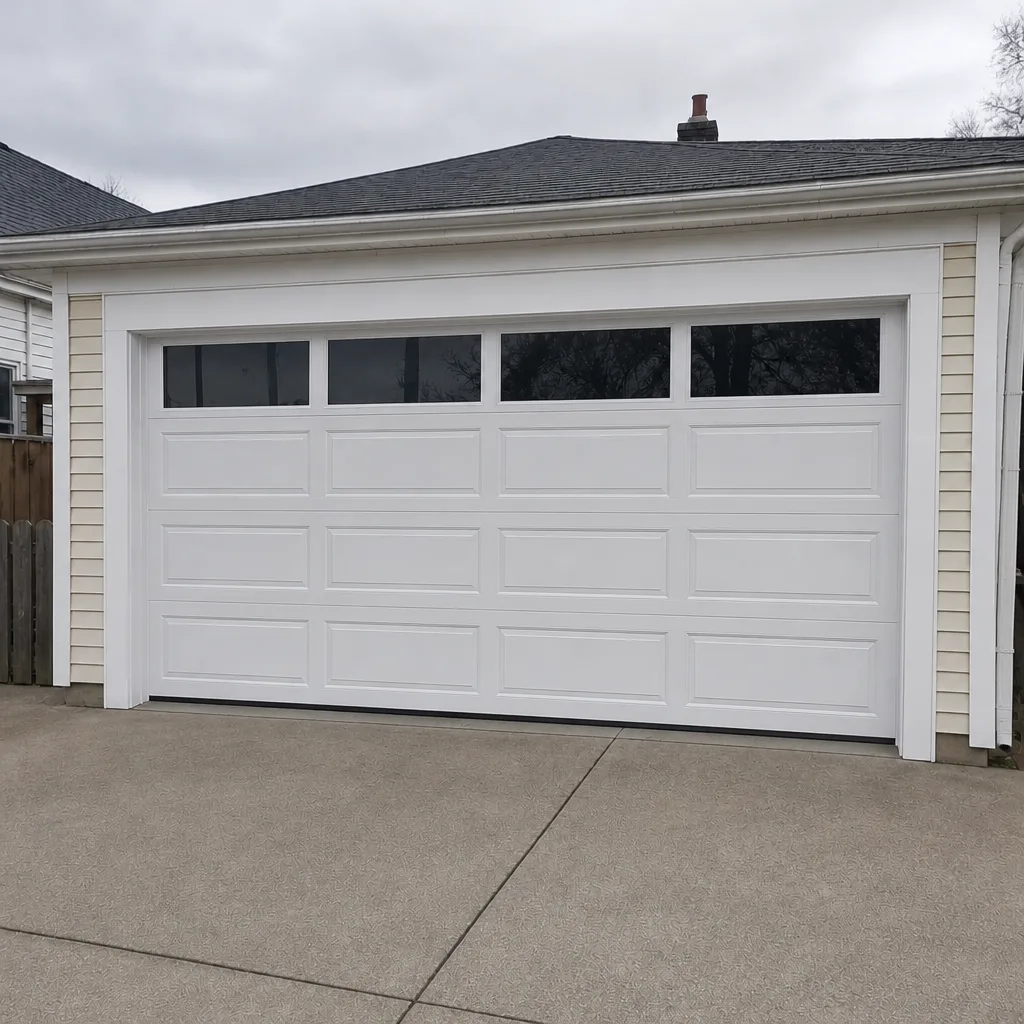
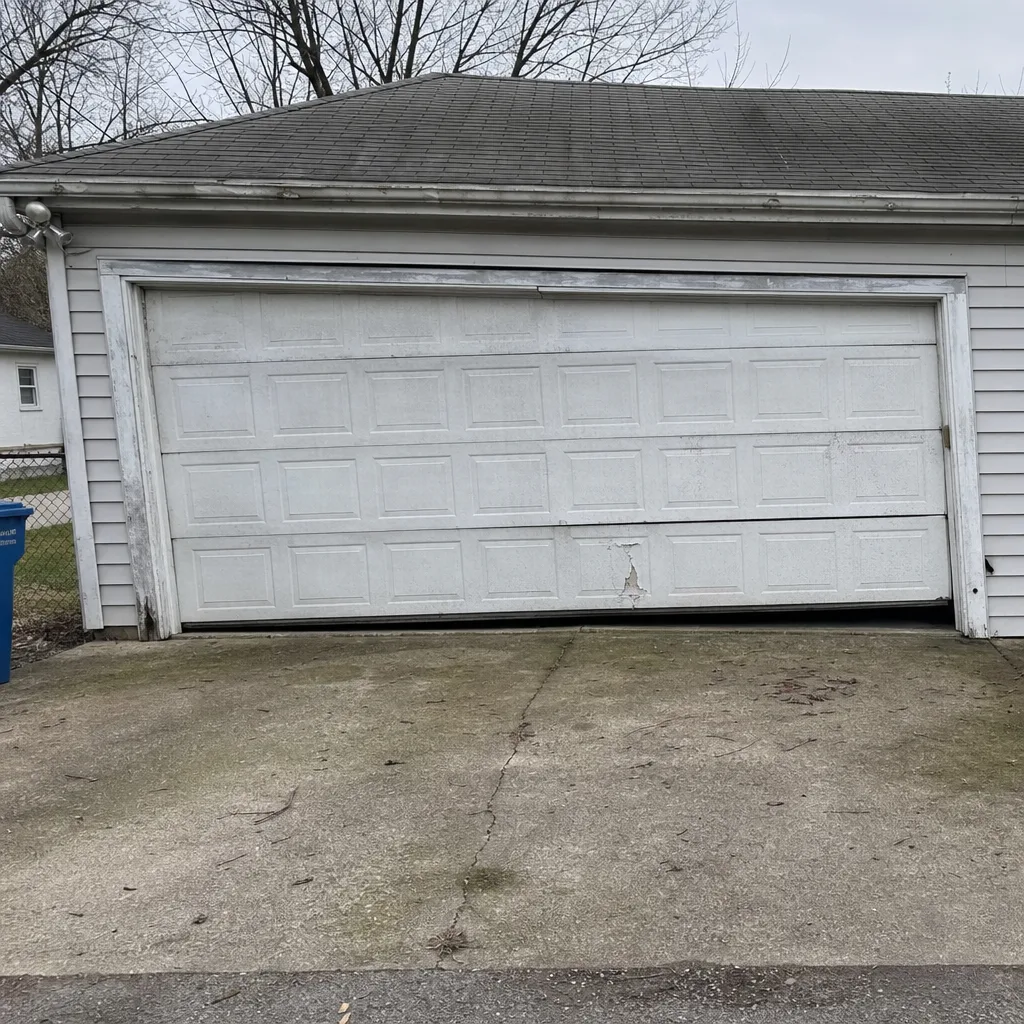
See the difference
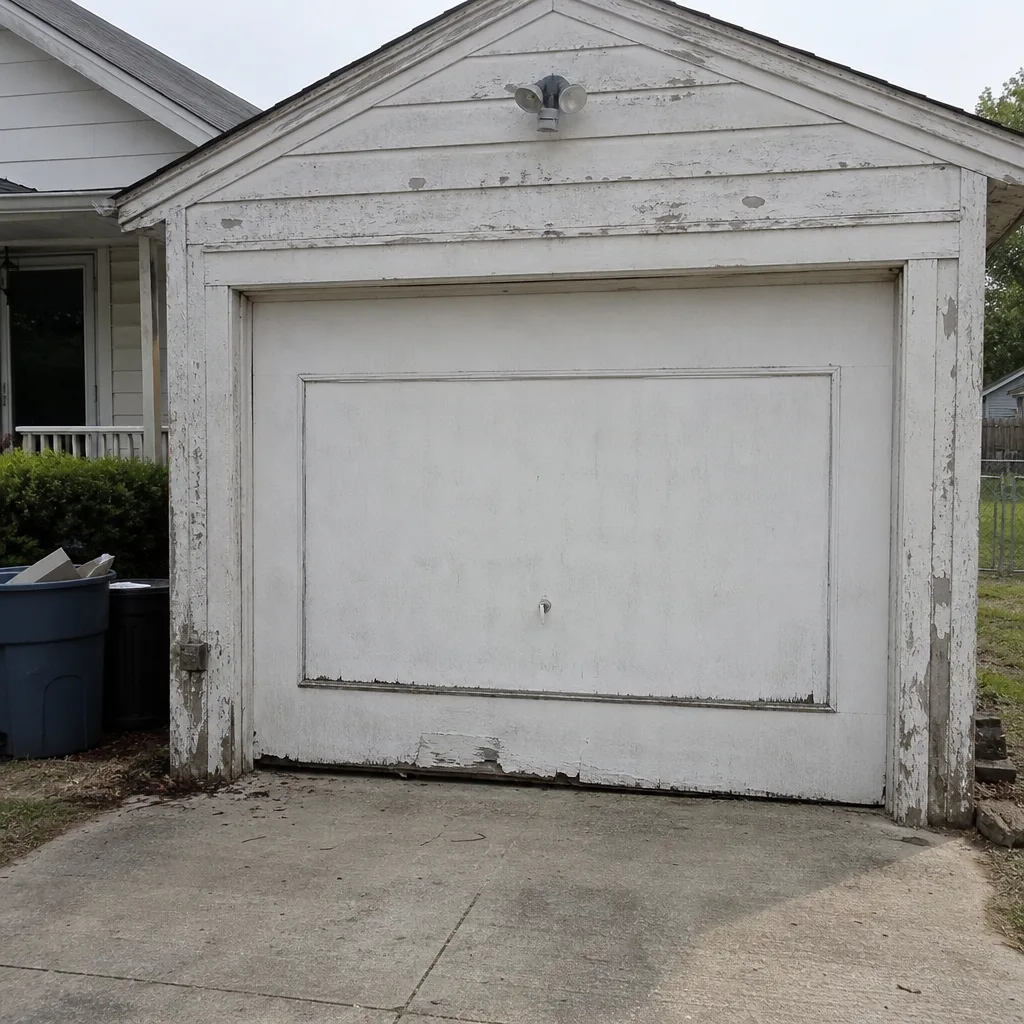 Before
 After
 Before
 After
 Before
 After